Cold hardiness
9°F (−13°C)
Identity
OriginTaiwan (Nanzhuang Township)
Genetic originTaiwanese species resulting from a natural hybridization between a pummelo and a mandarin, scientifically described in 1926 by Tyozaburo Tanaka and Yaichi Shimada
USDA zone7b
Cold hardiness9°F (−13°C)
Fruit cold hardiness27°F (−3°C)
GrowthVigorous
Height13 ft (4 m)
HarvestJanuary, February, March, December
SeedsMany
UsesLiqueur, Preserves, Savory cooking
FlavorsSour, Pronounced bitterness
History & Description
Origin
Citrus taiwanica, known in Japan as Nansho Daidai (literally "Nanzhuang bitter orange"), is a wild citrus species discovered by the Japanese botanist Yumoto Yataro in Nanzhuang Township in Taiwan. Officially described scientifically in 1926 by Tyozaburo Tanaka and Yaichi Shimada, it is today among the hardiest citrus species ever described. Genetically, it is a natural hybrid between a pummelo and a mandarin, which explains its bitter orange look and its complex aromatic structure. Distributed in France by nurseries specializing in hardy citrus (Pépinière du Bosc, Quissac, Agrumes de Provence), it remains rare in French gardens and is a true botanical witness to the diversity of Asian citrus.Tree description
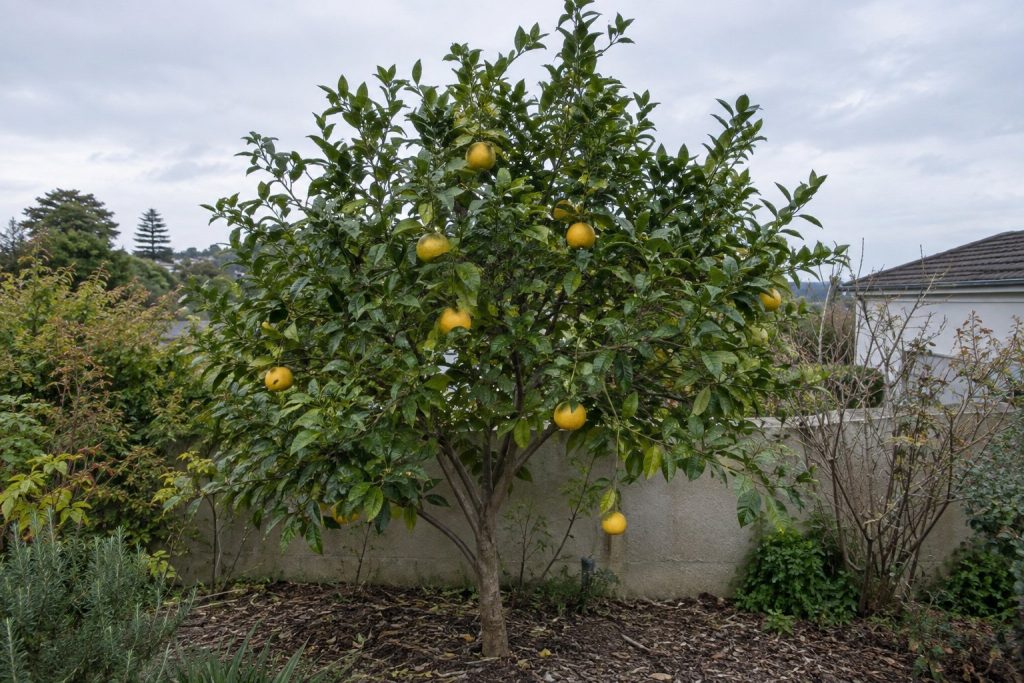
The tree is vigorous, reaching 13 ft (4 m) at maturity with an upright, branching, slightly spreading habit. The foliage is evergreen, dark green, and dense, and the tree bears strong thorns on young shoots. The white spring bloom is highly fragrant, followed by abundant fruiting from the fourth year after planting. Hardiness is exceptional: the tree easily withstands 10 to 5°F (−12 to −15°C) in well-drained soil, which places it among the few true Citrus species usable in zone 7b. It is a reference species for understanding the genetics of cold-hardy citrus.Fruit quality
The fruit is of good size, about 3.5 in (9 cm) in diameter, bright yellow at full maturity, with thick, rough skin and prominent oil glands. The flesh is very sour, marked by a frank bitterness very close to that of the classic bitter orange. Seeds are numerous, which is not surprising for a wild species. The fruit is not edible raw, but its most singular characteristic is its ability to persist on the tree until August without losing its flavor, offering a long picking period spread from December to the end of summer.Flavor and ornamental interest
In the kitchen, Nansho Daidai is the hardy equivalent of the Mediterranean bitter orange tree: its thick, fragrant zest goes into traditional English marmalades, its sour juice flavors Japanese ponzu and yuzu sauces, and it is used to make original amaro liqueurs. Its dried peel is used in infusions. Ornamentally, it is a spectacular tree: its yellow fruits stay on the branches for nearly eight months, forming a permanent decoration in the winter garden. For the enthusiast, it is a first-rate choice between extreme hardiness and real culinary use of the fruit.
Back to the collection
Updated: