Identity
History & Description
Origin
The Taiwanica Lemon (Citrus taiwanica), nicknamed the "cold lemon" by French nurserymen, is a botanical rarity native to Taiwan, where it is known by the Japanese name Nansho-daidai, literally "southern bitter orange". Contrary to what its commercial name suggests, it is not genetically a lemon (Citrus limon) but a natural hybrid between a pummelo (Citrus maxima) and a mandarin (Citrus reticulata), related to the group of Japanese and Taiwanese daidai bitter oranges. This unexpected ancestry explains both its exceptional hardiness, one of the highest documented for a fruit-bearing citrus, and its ability to produce sour, aromatic fruits usable in the kitchen as a lemon substitute. Traditionally grown in Taiwan to flavor dishes and prepare tart drinks, it was introduced to Europe by enthusiasts of hardy citrus who quickly recognized its potential for cold temperate climates. Its hardiness documented at 5°F (−15°C) in a sheltered position makes it one of the most frost-resistant citrus commercially available in Europe.Tree description
The Taiwanica Lemon forms a large, vigorous tree reaching 13 to 16 ft (4 to 5 m) at maturity, with an upright habit and dense, glossy dark green evergreen foliage. Its growth is fast, and the tree proves extremely productive once established. The fragrant white blossom, sometimes tinged with purple, appears in spring. Its remarkable hardiness, documented down to 5°F (−15°C) in a sheltered position and commonly 10°F (−12°C) in average conditions, makes it suited to growing in zone 7b on Poncirus trifoliata rootstock, a feat that makes it one of the few true citrus that can be grown in the ground across almost all of France.Fruit quality
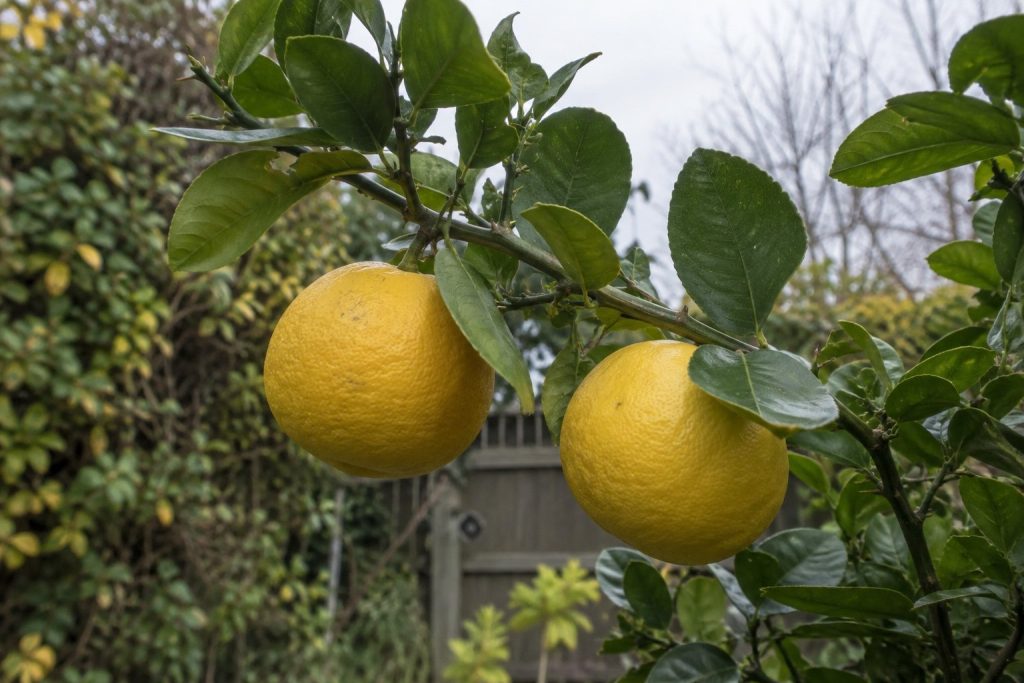
The fruits, large and spherical (as much as 3 to 4 in, or 8 to 10 cm, in diameter), have smooth skin turning from yellow to orange at full maturity. The pale yellow flesh is extraordinarily juicy, with a sharp acidity tempered by a complex aroma reminiscent of lemon, but with a far greater richness of zest essential oils. Seeds are present in moderate numbers, without hindering culinary use.Flavor and ornamental interest
Usable from December to July and August (the fruits can stay on the tree for several months without deteriorating), the Taiwanica Lemon lends itself admirably to every use of lemon: juice for seasoning, aromatic zest, marmalades, artisanal liqueurs, candied fruit, and culinary preparations for raw fish, where its sharp acidity instantly "cooks" the flesh, ceviche style. As an ornamental, its tree-like size, dense foliage, and spectacular yellow-orange fruiting that persists for months make it a leading landscape subject, almost unique of its kind in combining adult size, extreme hardiness, and productivity.Updated:
What matters when choosing
Key points about Taiwanica Lemon
Taiwanica, or Nansho-daidai, is a bitter citrus related to sour orange rather than a true lemon. Its main interest lies in its fragrance, its vigor, and processing; the thick, bitter fruit is not meant to be eaten like a sweet lemon.
Why choose it
- Aromatic zest useful for processing.
- Vigorous tree of botanical interest.
- Fruit that may suit marmalades or condiments.
Its limits
- Bitter flesh poorly suited to fresh eating.
- Identity often confused in catalogs.
- Specific cold hardiness insufficiently documented.
Practical notes
- Synonym
- Nansho-daidai
- Group
- Sour orange / bitter orange
- Harvest at Riverside (CRC 2588)
- January through March
Cold-hardiness reference: about 5°F (−15°C)
Botanical sources describe its identity well but do not provide comparable freezing trials; the reference reported by nurseries depends, among other factors, on the tree’s age and situation.
Sources and method
The temperatures given are reference points for a mature tree with hardened wood. The table and callout repeat the same value as the profile. They guarantee neither freedom from damage nor a harvest after a freezing event.
Data reviewed on October 7, 2026.
- Plants of the World Online — Kew — Taxonomic status and synonymy with Citrus × aurantium
- Givaudan Citrus Variety Collection — UCR, Nansho Daidai CRC 2588 — Exact Nansho-daidai accession, January–March maturity at Riverside, and fruit characteristics
- Taiwan Biodiversity Network — Botanical name, common name, and occurrence in Taiwan