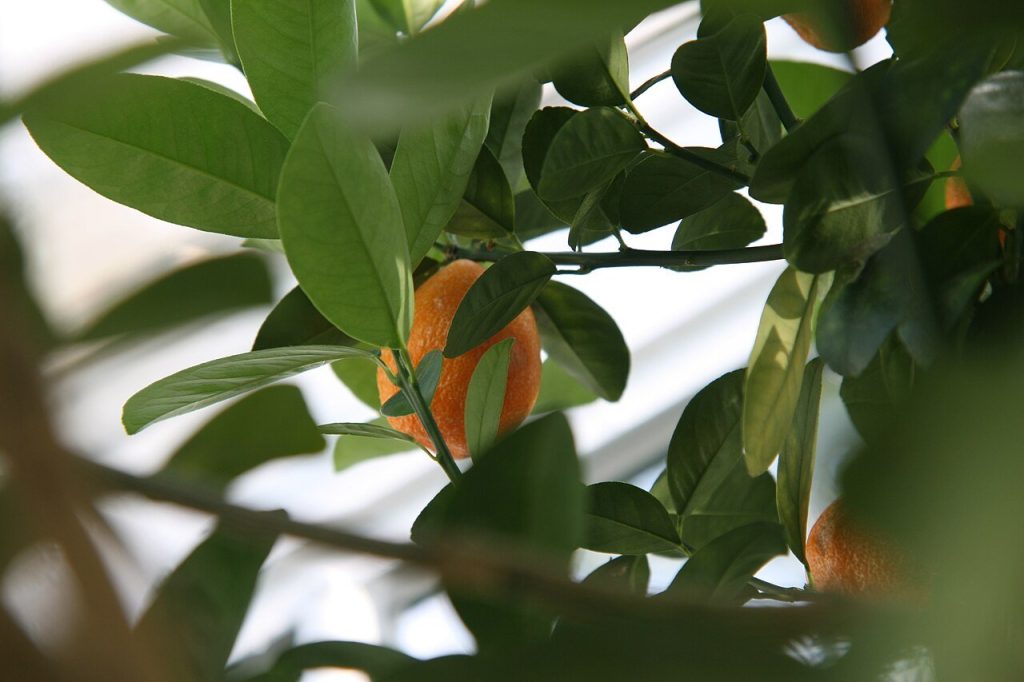
Changshou Kumquat
Origin: The Changshou kumquat, whose name means “longevity” in Mandarin, is a distinct species of the genus Fortunella native to […]
What are you looking for?
Origin: The Changshou kumquat, whose name means “longevity” in Mandarin, is a distinct species of the genus Fortunella native to […]
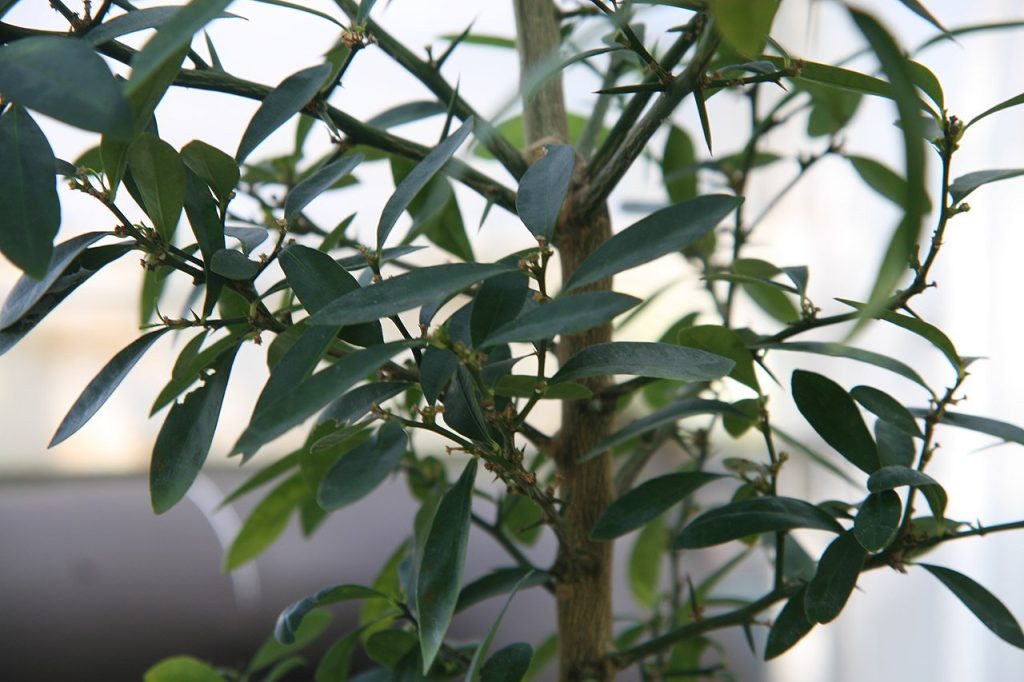
Origin: The Hong Kong kumquat (Fortunella hindsii) is the smallest species in the genus Fortunella, growing wild in the wooded […]
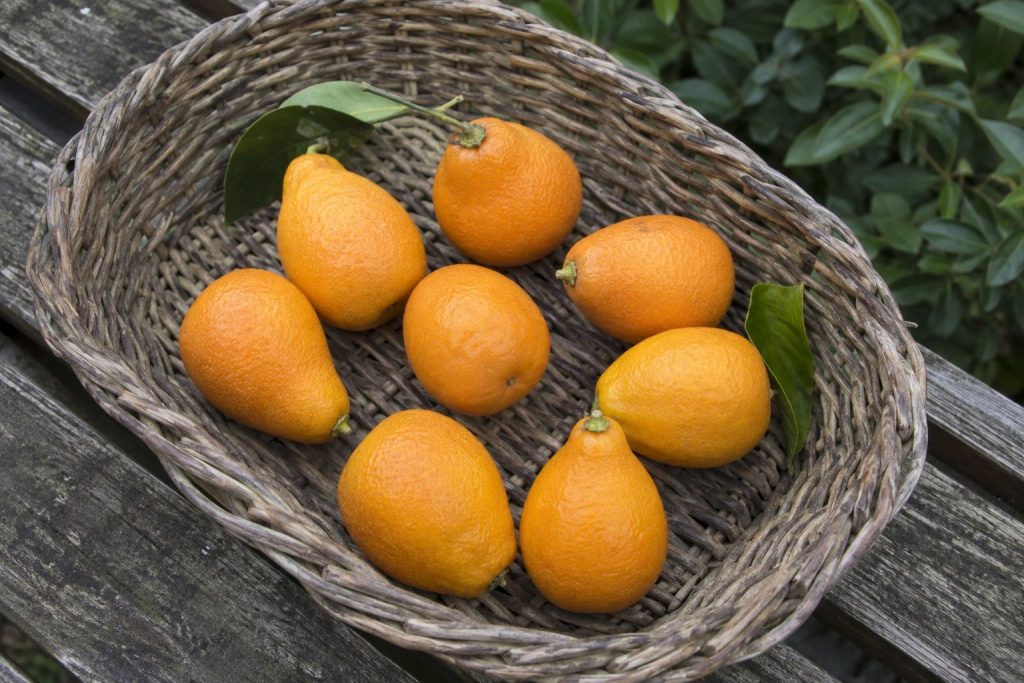
Origin: Indio mandarinquat is an interspecific hybrid conserved by the USDA (United States Department of Agriculture): scions were received at […]
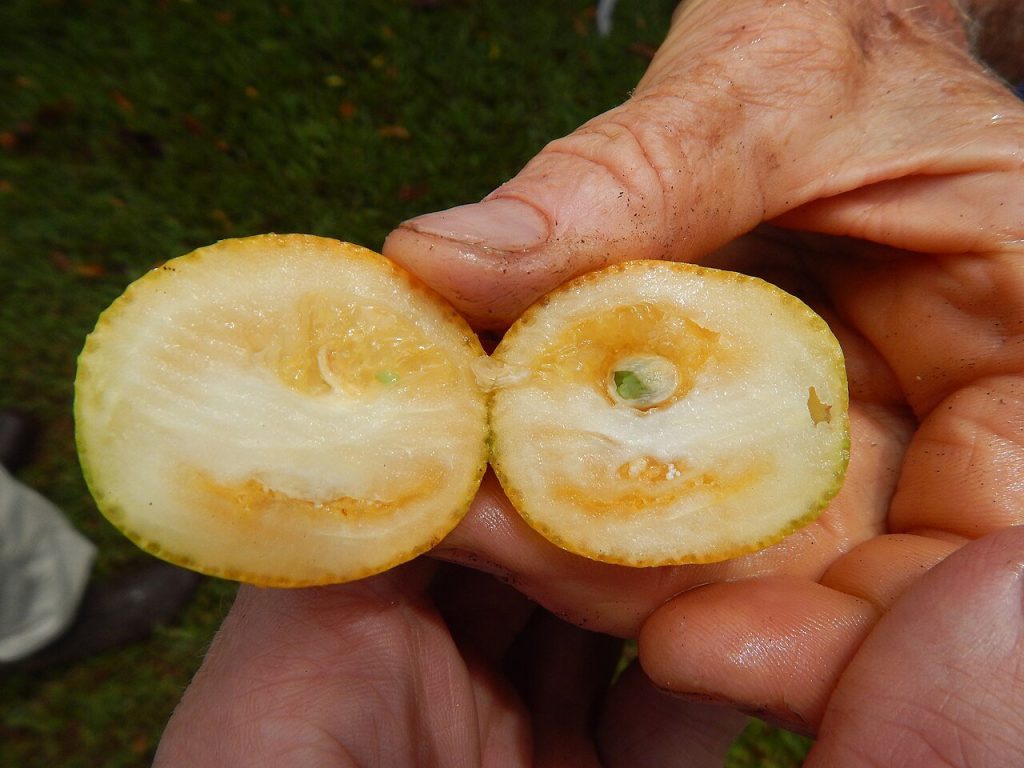
Marumi kumquat (Fortunella japonica ‘Marumi’) is one of the hardiest and tastiest kumquats, with a reference of 10°F (−12°C) for the adult acclimated tree. Native to the Pearl River Delta in southern China, it was introduced to Japan several centuries ago. The compact shrub reaches 7 to 10 ft (2 to 3 m) at maturity with a dense rounded habit, glossy evergreen foliage, and late fragrant white flowers. Its bright orange round fruits, small (0.8 to 1.2 in, or 2 to 3 cm), ripen in fall and winter and are eaten whole: the sweet, fragrant skin wraps a tart pulp, creating a taste contrast unique among citrus. Excellent in jam, candied, in liqueur, or to garnish savory and sweet dishes. Very ornamental, perfect in the ground in zones 8a to 8b or in a large container. Graft onto Poncirus trifoliata or Flying Dragon for small gardens.
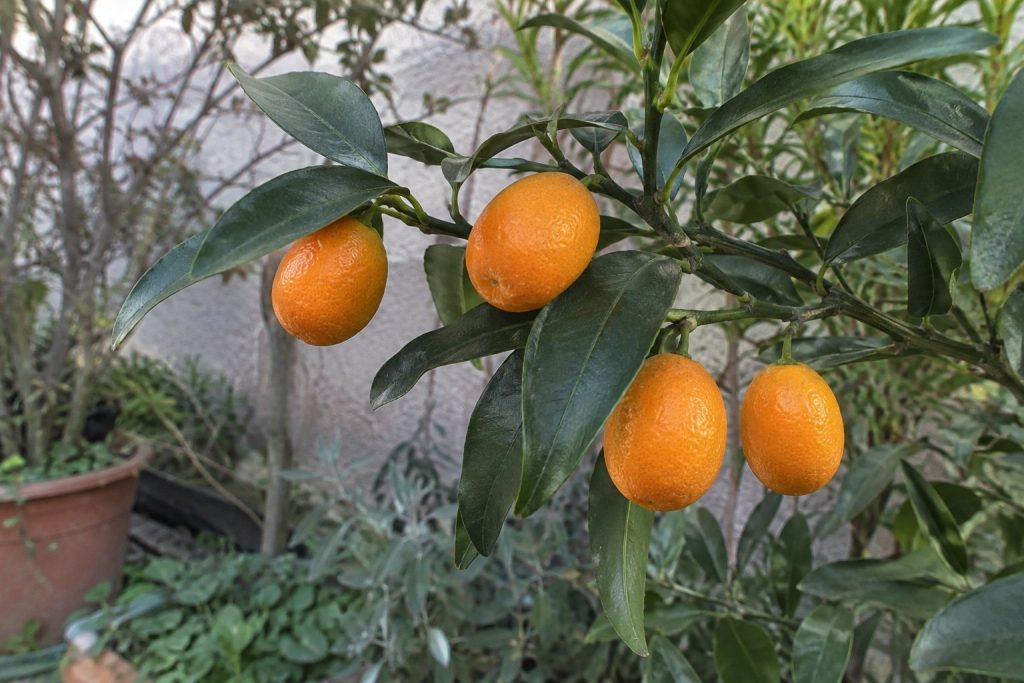
Origin: Nameiwa kumquat is a superior selection of the famous Meiwa, the result of research to improve the latter’s size […]
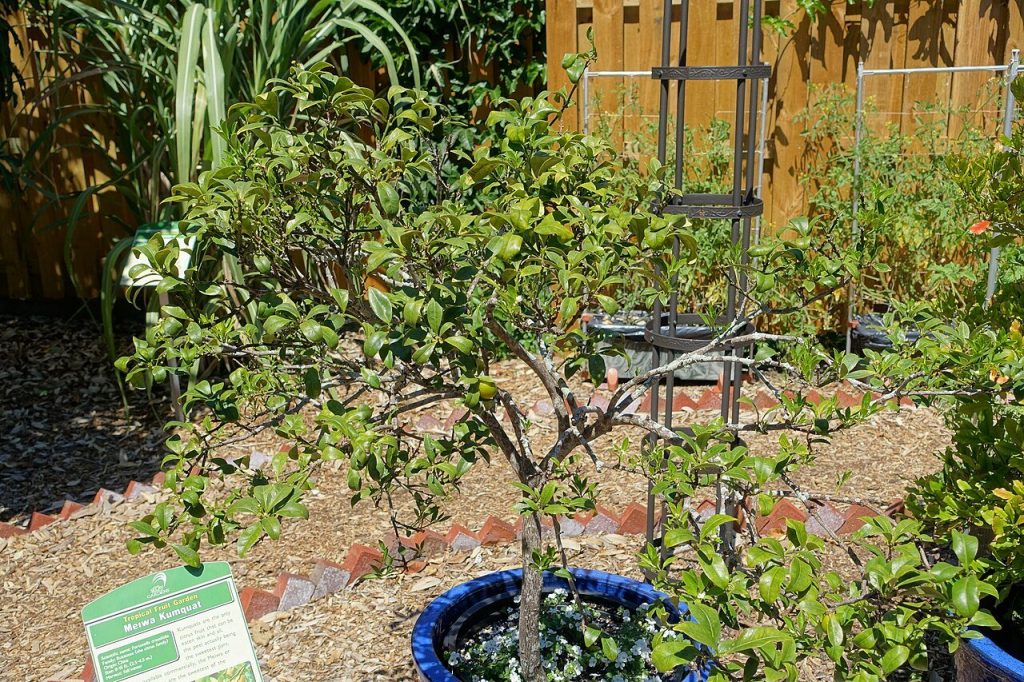
Meiwa kumquat (Citrus crassifolia ‘Meiwa’) is a natural hybrid between the Marumi and the Nagami, regarded as the sweetest kumquat and the most pleasant to eat raw. The hardiness reference retained for the tree is 10°F (−12°C); whether it can be grown in the ground depends on the plant and the microclimate. Native to Japan, where it is very popular, the compact shrub reaches 6 to 10 ft (2 to 3 m), with a dense, rounded habit and evergreen foliage. Its dark orange, oval-round fruit, larger than that of the Marumi or Nagami, has a sweet skin and a pulp with more moderate acidity than other kumquats. Excellent eaten whole like a natural candy, in salads, or candied. Fragrant summer flowering. Choosing Poncirus trifoliata does not remove the need to protect young plants and fruit from frost. Prefers a south-facing wall and well-drained soil.
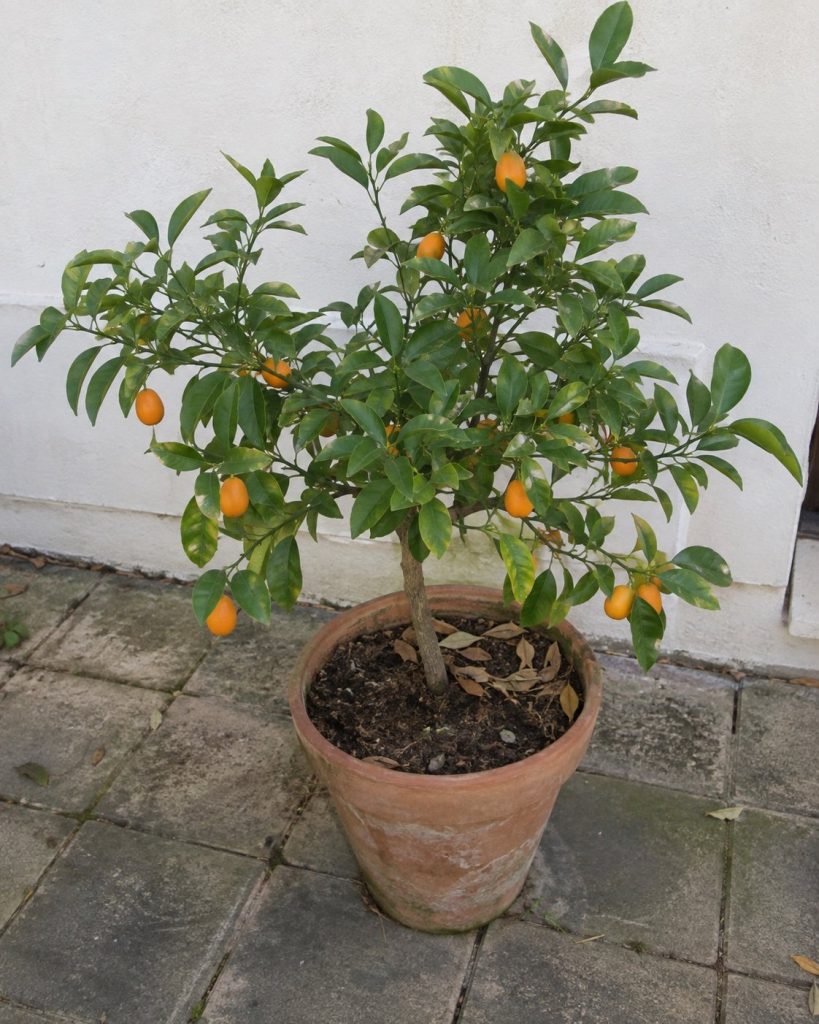
Fukushu kumquat (Citrus obovata ‘Fukushu’), also called Changshou kumquat, is a Japanese variety that produces larger, sweeter fruit than classic kumquats. The hardiness reference retained for the tree is 14°F (−10°C), to be read with the conditions given in this entry. The compact shrub reaches 6 to 8 ft (2 to 2.5 m), with a rounded habit and glossy evergreen foliage. Its light orange, obovate fruit, 1.5 to 2 in (4 to 5 cm) long, has a thin, mild, fragrant skin and a pulp that recalls a mandarin more than the traditional kumquat. A flavor balanced between sweetness and acidity, excellent eaten whole or as juice. Abundant, fragrant spring flowering and a very ornamental habit. Choose a rootstock suited to the soil and climate, without attributing a fixed hardiness gain to it. Plant against a south-facing wall; well-drained soil is essential.
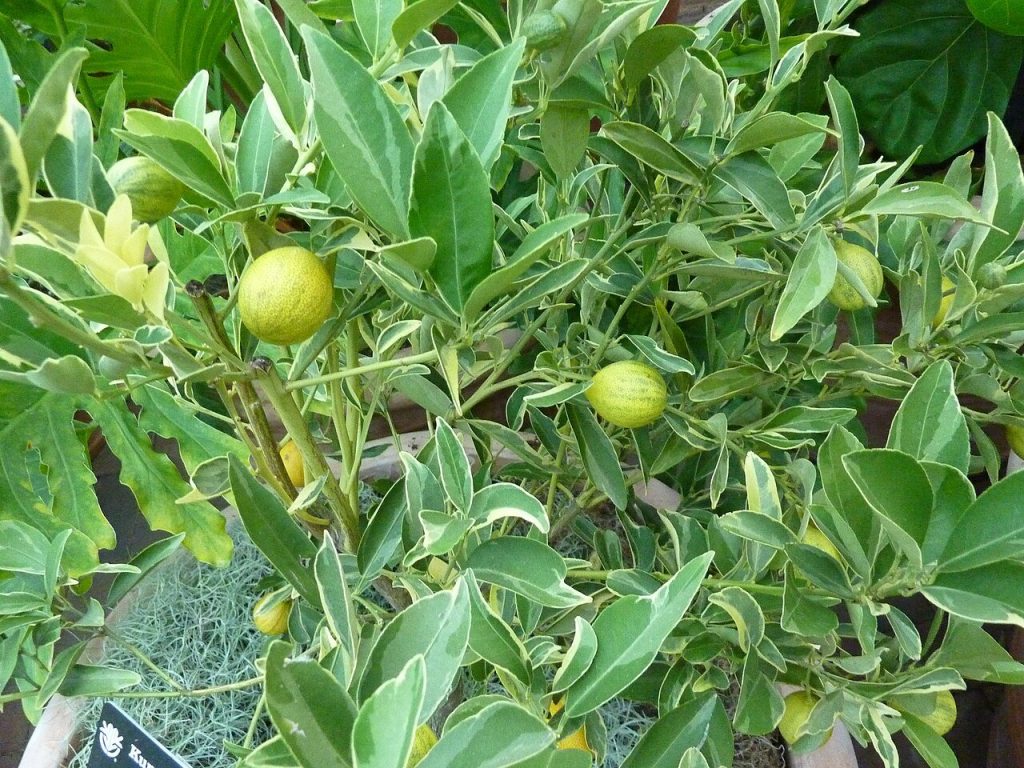
Origin: Centennial Variegated Kumquat is a mutation discovered in the United States, more precisely in Florida, from the famous Nagami […]