
Cold hardiness
18°F (−8°C)
Identity
OriginUnited States (Florida)
Genetic originSpontaneous mutation of a Nagami kumquat
USDA zone8b
Cold hardiness18°F (−8°C)
Fruit cold hardiness25°F (−4°C)
GrowthSlow
Height10 ft (3 m)
HarvestJanuary, February, March, November, December
SeedsFew
FlavorsSweet, Tart, Sour then sweet
History & Description
Origin
Centennial Variegated Kumquat is a mutation discovered in the United States, more precisely in Florida, from the famous Nagami kumquat. It was named 'Centennial' to commemorate the 100th anniversary of the USDA research station.Tree description
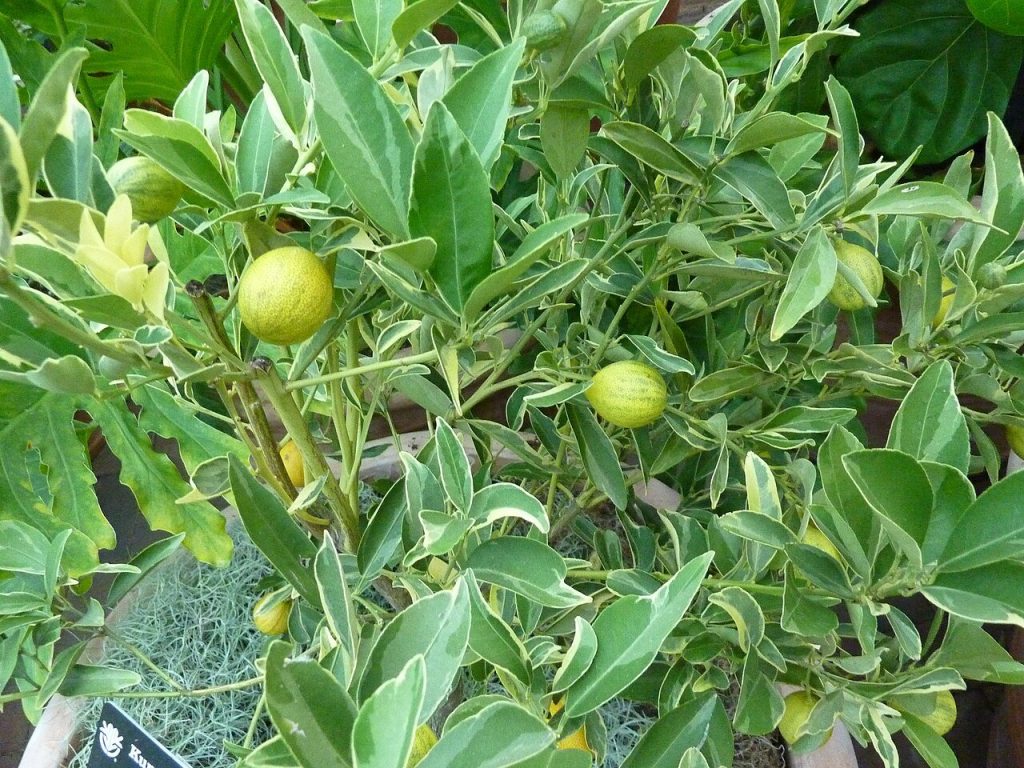
It is a true ornamental gem. Modest in size and compact, it displays foliage variegated with cream and pale green, which makes it decorative even without fruit. Its growth is slower than that of the type variety because of the variegation.Fruit quality
The fruit, oval like the Nagami, is spectacular: it emerges striped green and yellow, then turns orange at maturity, sometimes losing its stripes. The skin is thin and edible.Flavor and ornamental interest
In flavor, it offers an interesting contrast with a sweet skin and tart flesh. It is above all a collector’s citrus for its unique looks, ideal in a pot on a terrace.Hardiness — October 8, 2026 review: The reference is kept at 18°F (−8°C): the listings from Agrumes de Provence and Vessières agree. The temperatures for non-variegated green kumquats are not carried over to Centennial. These temperatures apply to a mature, established, acclimated tree during a one-off frost; they guarantee neither the absence of damage nor a harvest. Wind, freeze duration, humidity, and pot culture change the risk.
Fruit resistance: The fruit reference already on record remains indicative: this review did not establish a new experimental threshold specific to this material. It is not deduced from the tree temperature.
Hardiness references: Agrumes de Provence — Centennial; Agrumerie Vessières — Centenial-Panache (accessed October 8, 2026).
Back to the collection
Updated: