Identity
History & Description
Origin
The Changshou kumquat, whose name means “longevity” in Mandarin, is a distinct species of the genus Fortunella native to southern China. Described botanically as Fortunella obovata Tanaka, it stands out from the more common oval and round kumquats by its obovate, pear-shaped fruit and its larger size. Deeply rooted in Chinese symbolism (the word changshou evokes long life and prosperity), this citrus is traditionally grown in family courtyards and gardens as a good-luck charm during the spring festivals. Its natural sweetness, more pronounced than in other kumquats, led to its gradual introduction into European citrus collections over the course of the twentieth century.Tree description
The Changshou kumquat is a modest-sized shrub, reaching 6.5 to 10 ft (2 to 3 m) in the ground, with a naturally compact, bushy habit. Its evergreen, dark green, slightly wavy foliage is very decorative. Spring flowering is generous and fragrant. Less thorny than some species in the genus, it is easier to handle in cultivation. Its hardiness reference is harmonized at 14°F (−10°C) with Fukushu, its synonym; in-ground cultivation calls for a well-drained, sheltered spot.Fruit quality
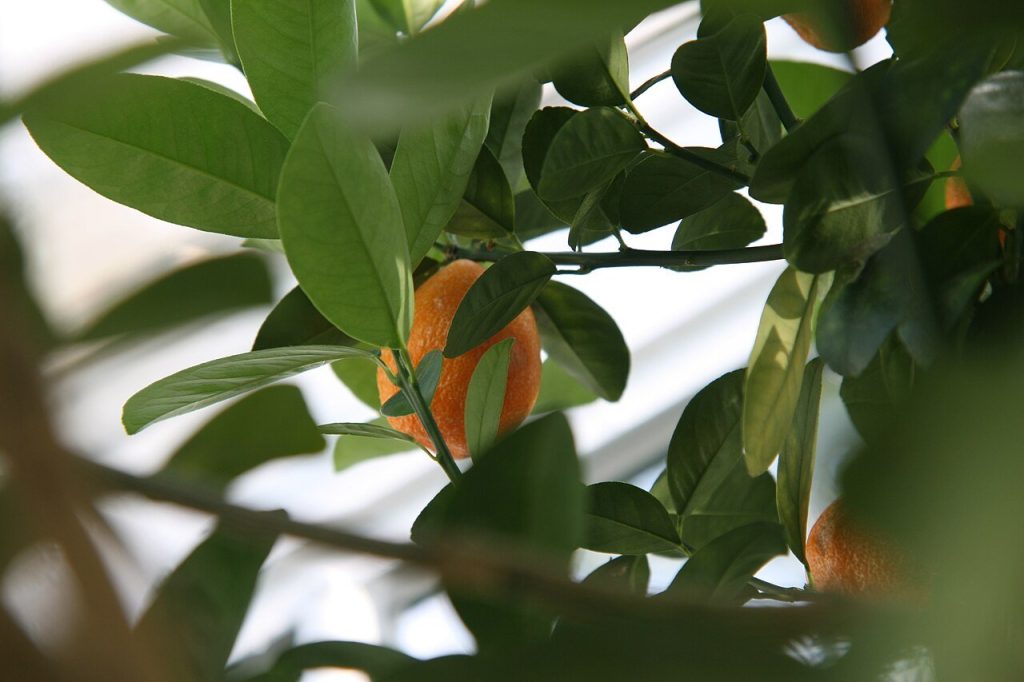
The fruit of the Changshou is the main distinguishing feature of this species: clearly larger than that of other kumquats (1.2 to 1.6 in, or 3 to 4 cm), its obovate shape, swollen at the end opposite the stem, is immediately recognizable. A beautiful yellow-orange in fall, it reveals sweet, low-acid flesh that is very pleasant to eat out of hand. The thicker skin is fragrant and sweet. This natural sweetness makes it the most approachable kumquat for fresh eating. The number of seeds is low, generally fewer than 5 per fruit.Flavor and ornamental interest
The Changshou’s exceptional sweetness makes it the kumquat of choice for eating fresh. Its large fruit is highly prized for jam, yielding preparations less acidic than those made with classic varieties, and for candied fruit. As an ornamental, its larger fruit and compact silhouette make it a shrub of choice for southern gardens and terraces in zone 8b. Its symbolic weight in Asian culture also makes it a plant steeped in history, of interest in an ethnobotanical collection.Hardiness — October 8, 2026 review: Reference harmonized at 14°F (−10°C) with Fukushu: UCR confirms that these two names designate the same kumquat. The listings consulted for Fukushu range from 14 to 10°F (−10 to −12°C); nothing justifies a separate threshold under the name Changshou. These temperatures apply to a mature, established, acclimated tree during a one-off frost; they guarantee neither the absence of damage nor a harvest. Wind, freeze duration, humidity, and pot culture change the risk.
Fruit resistance: The fruit reference already on record remains indicative: this review did not establish a new experimental threshold specific to this material. It is not deduced from the tree temperature.
Hardiness references: Agrumerie Vessières — Fukushu; Agrumes de Provence — Fukushu; UCR — Changshou/Fukushu (accessed October 8, 2026).
Updated:
What matters when choosing
Key points about Changshou Kumquat
Changshou, also called Fukushu, is a kumquat with larger fruit than Nagami, often pear-shaped, with sweet peel and tangy pulp. It is of interest for containers and processing, but contains large seeds and remains less documented than the classic kumquats.
Why choose it
- Relatively large fruit for a kumquat.
- Sweet, aromatic peel contrasts with acidic pulp.
- Compact habit suited to containers.
Its limits
- Large seeds in the fruit.
- Noticeably acidic pulp.
- Hardiness claims from 14 to 10°F (−10 to −12°C), without an identified local comparative trial.
Practical notes
- Synonym
- Fukushu
- Shape
- Oval to pear-shaped
- Uses
- Whole fruit, preserves
Cold-hardiness reference: about 14°F (−10°C)
The reference was aligned with Fukushu at 14°F (−10°C): UCR confirms that both names refer to the same kumquat. The Fukushu claims consulted range from 14 to 10°F (−10 to −12°C); nothing justifies a separate threshold under the name Changshou.
Sources and method
The temperatures given are reference points for a mature tree with hardened wood. The table and callout repeat the same value as the profile. They guarantee neither freedom from damage nor a harvest after a freezing event.
Data reviewed on October 8, 2026.
- Givaudan Citrus Variety Collection — UCR — Synonyms, hybrid origin, fruit, and seeds
- Todolí Citrus Fundació — Habit, productivity, fruit shape, and flavor
- UF/IFAS — Cold Hardy Citrus — General context for kumquat cold hardiness
- Agrumerie Vessières — Fukushu — Profile gives 14°F (−10°C), while its text mentions 14 to 10°F (−10 to −12°C).
- Agrumes de Provence — Fukushu — Commercial claim of 10°F (−12°C) for Fukushu.