Container or in-ground kumquats: how do you choose?
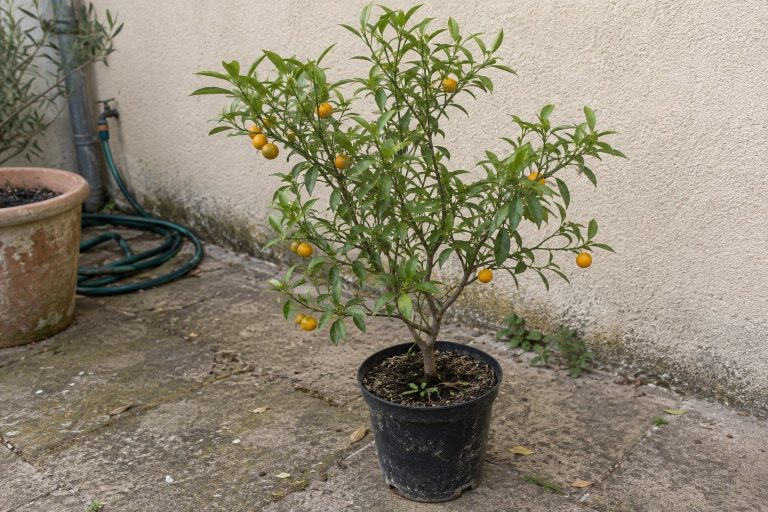
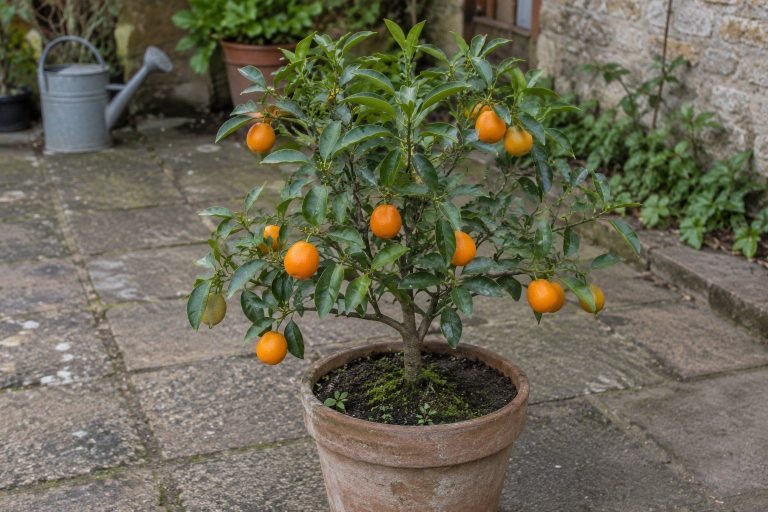
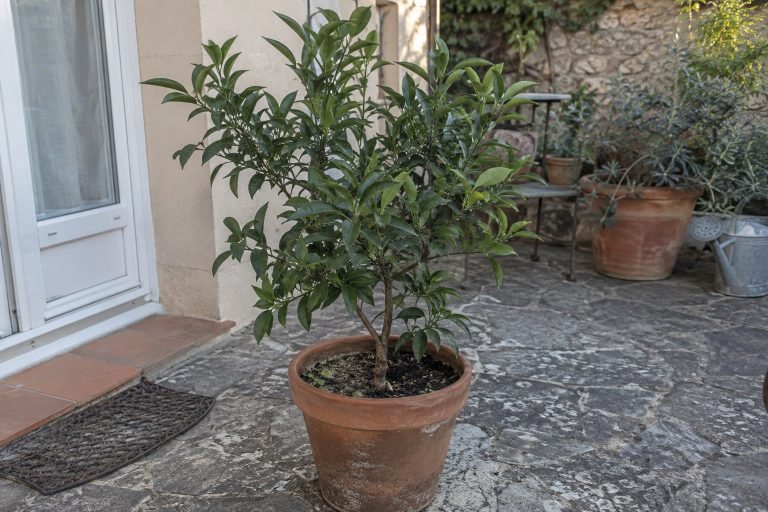
A container makes it easier to move the tree to shelter during cold spells. Growing in the ground is mainly appropriate for a sheltered position whose winter conditions are compatible with the chosen plant. A kumquat outdoors may survive a freeze while losing its crop: plan fruit protection when you plant it.
Before buying, ask for the cultivar and rootstock names. This information helps you assess soil suitability, vigor and growing precautions. Scientific collections describe differences in rootstock compatibility between Meiwa and Nagami: a rootstock should not be chosen solely by its name or an advertised temperature.
References: UCR — Meiwa, CRC 3818 · UF/IFAS — Cold-hardy citrus
How do you care for a kumquat?
Place the kumquat in the light, in well-drained soil or growing medium. Adjust watering to actual container moisture, heat and growth. Apply an appropriate fertilizer according to its instructions. Keep pruning light: a compact tree does not need routine cutting back.
- Exposure
Choose a sunny, sheltered position. Gradually acclimate a plant coming out of shelter.
- Watering
Check the growing medium before watering. In winter, let its surface dry partially; avoid standing water in the saucer.
- Fertilizing
Follow the selected product’s application rates and the plant’s growth pattern. One fixed frequency does not suit every container size.
- Pruning
Remove rootstock suckers and damaged branches. Avoid severe cuts that reduce future fruiting.
References: UF/IFAS — Kumquat · Royal Horticultural Society — Growing citrus
Can a kumquat withstand freezing temperatures?
Several kumquats are advertised at around 10°F (−12°C) for mature, acclimated trees. This is the reference adopted here for Nagami, Marumi, Meiwa and Nameiwa after reviewing the catalogs. Some growers advertise greater hardiness, but fruit freezes well before the tree reaches its survival limit.
For Meiwa, the claims consulted range from 12°F (−11°C) at Aux Soleils de Manan to 7°F (−14°C) at Vessières, with 10°F (−12°C) at Agrumes de Provence. For Nameiwa, Pépins Perdus and Aux Soleils de Manan give 10°F (−12°C), while Vessières and Pépinière du Bosc advertise 7°F (−14°C). These figures remain growers’ indications; adopting the lowest one would not provide an additional guarantee.
Fukushu and Changshou are two names for the same kumquat according to UCR: their records are harmonized at 14°F (−10°C), with claims extending to 10°F (−12°C). Hybrids are examined separately: Sunquat is adopted at 16°F (−9°C) and Centennial at 18°F (−8°C). For Giganteum, the values diverge even within a single commercial listing; the reference of 18°F (−8°C) is adopted cautiously. The values for Jimenez, Nordmann and Procimequat remain provisional, for lack of a confirmed precise threshold in this review.
Age, rootstock, acclimation, wind, moisture and freeze duration change the outcome. Commercial reference temperatures mainly concern established specimens; a container and a young plant need earlier protection. For Meiwa and Nameiwa fruit, the nurseries consulted advertise damage at around 25 to 23°F (−4 to −5°C): the harvest must be protected independently of the wood.
References: UF/IFAS — Cold-hardy citrus · Agrumes de Provence — Nagami · Agrumes de Provence — Marumi · Agrumes de Provence — Meiwa · Pépins Perdus — Nameiwa · Agrumerie Vessières — Meiwa · Agrumerie Vessières — Nameiwa · Pépinière du Bosc — Nameiwa · Aux Soleils de Manan — Kumquats and hybrids · Agrumerie Vessières — Fukushu · UCR — Changshou/Fukushu · Agrumerie Vessières — Sunquat · Agrumerie Vessières — Giganteum · Agrumes de Provence — Centennial
How do you eat a kumquat, and what does it taste like?
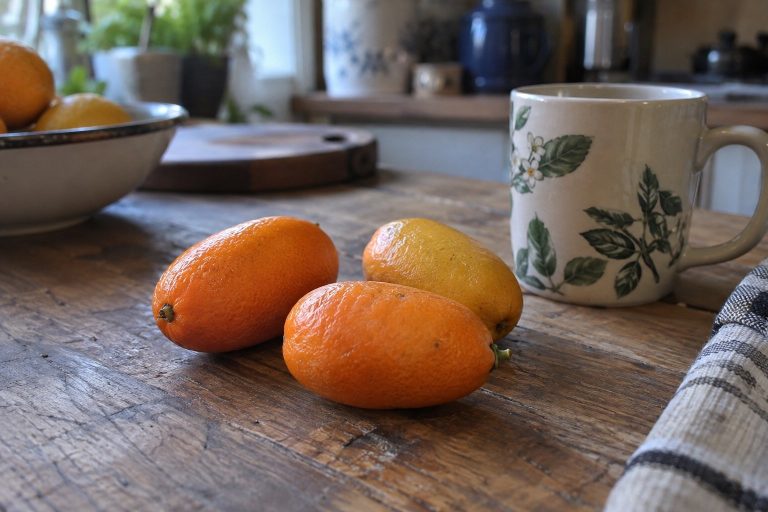
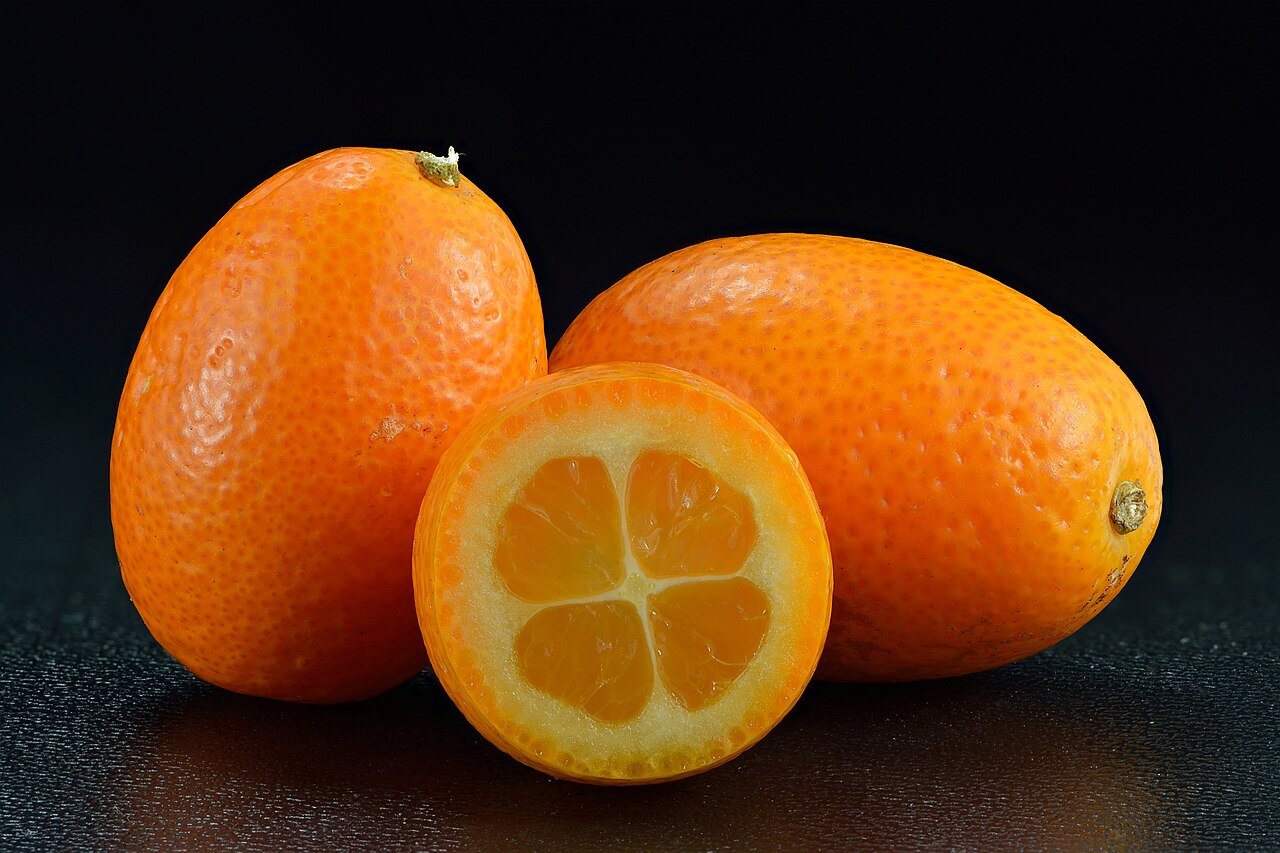
Wash the kumquat, then bite into it with the peel on, removing seeds if you wish. In Nagami, the sweet rind balances acidic flesh; Meiwa tastes sweeter when eaten whole. Kumquats can also be made into marmalade, candied or served alongside other dishes.
When choosing a cultivar for fresh eating, compare fruit at similar maturity and taste the peel as well. A fruit with very acidic flesh can be pleasant eaten whole. The words “mild” or “sweet” describe a relative sensation; they do not mean that all the flesh is free of acidity.
References: UF/IFAS — Kumquat · UCR — Nagami, CRC 3877 · UCR — Meiwa, CRC 3818
Kumquats and hybrids: what does this collection include?
This collection brings together kumquats and several related citrus, such as orangequats, mandarinquats and yuzuquats. Their uses and growing guidance may differ. Consult the record for the exact plant material before applying a statement about flavor, height or cold tolerance.
Kumquats belong to the Rutaceae family. The botanical names Citrus and Fortunella still coexist in collections and catalogs. “Kumquats” is a horticultural navigation category here: the site classification helps you explore the records without treating every fruit in the table as one botanical species.
References: New Caledonian Agronomic Institute — Kumquat fact sheet
Frequently asked questions about kumquats
What is the difference between Nagami and Meiwa kumquats?
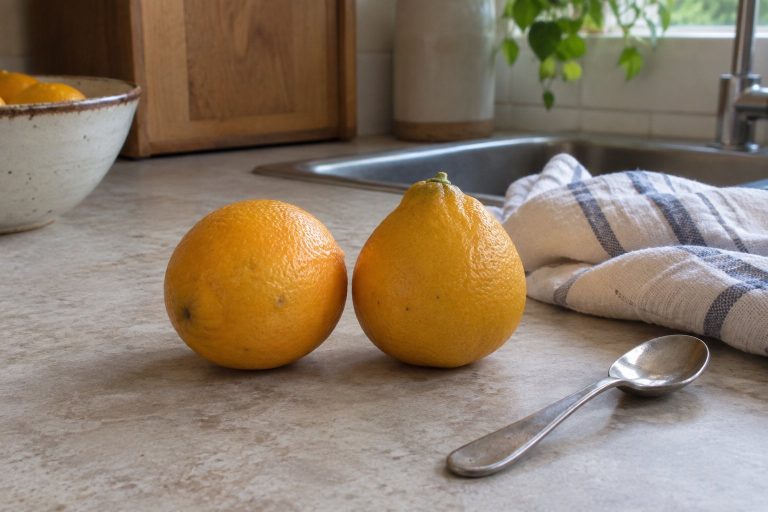
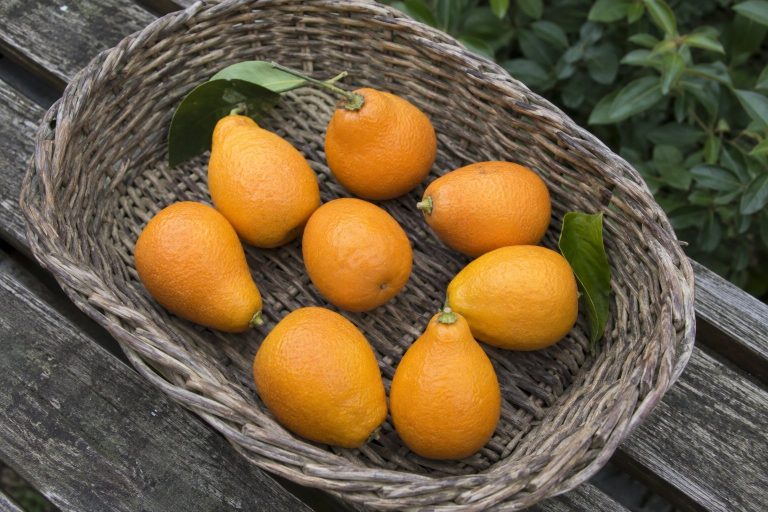
Nagami bears oval fruit with acidic flesh. Meiwa has a thicker, sweeter rind that makes the whole fruit taste sweeter. Meiwa nevertheless retains acidic flesh. Compare seediness and the rootstock of the plant offered as well.
Can you eat kumquat peel?
Yes. Kumquats are usually eaten whole after washing. Their rind contributes sweetness and fragrance that balance the acidity of the flesh. Remove the seeds according to your preference.
Do you need two kumquat trees to get fruit?
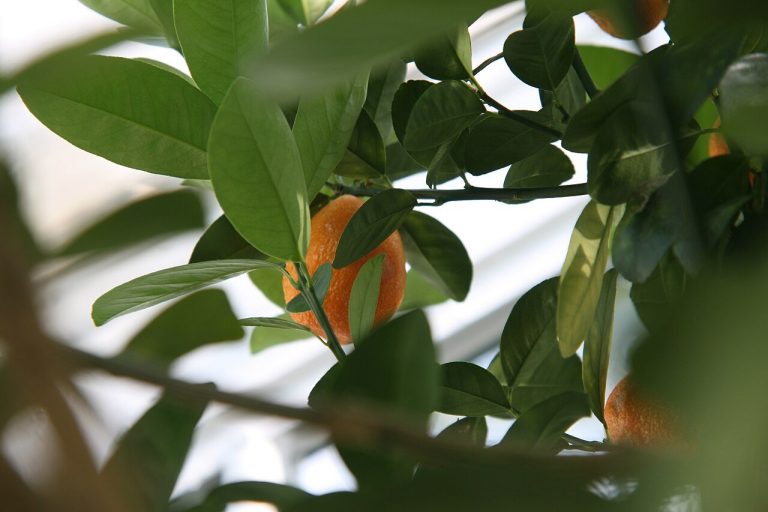
A single kumquat can produce fruit: UF/IFAS describes it as self-fertile. Flowering and harvest still depend on the plant’s condition and growing environment; buying a second tree is not an automatic solution to a lack of fruit.
When does a kumquat bloom, and when do you harvest it?
UCR describes summer flowering and late-winter maturity for Nagami. These observations relate to the plant material and climate studied. In France, follow the cultivar’s calendar, local conditions and the actual maturity of the fruit; fruit remaining on the tree does not represent a new harvest.
Can a kumquat spend winter inside a house?
Bright shelter suited to the plant makes overwintering easier. A heated, dry room can cause leaf drop. Check the needs of the specimen you buy and adjust watering to its winter activity. Container growing allows you to choose that shelter in advance.
Which kumquat cultivar is the most cold hardy?
Nameiwa is among the kumquats advertised as most cold hardy by some nurseries, down to 7°F (−14°C) at Vessières and Pépinière du Bosc. Others give 10°F (−12°C): that is the reference adopted here, also used for Nagami, Marumi and Meiwa. These claims are not a comparative trial and do not guarantee damage-free survival or a harvest.
Sources and method
Documentary synthesis by Léo, an amateur gardener passionate about cold-hardy citrus. Cold-hardiness values were reviewed on October 8, 2026, cultivar by cultivar: nursery claims are attributed, disagreements retained, and trees distinguished from fruit. Thresholds are not inferred automatically from USDA zones or rootstocks. University references provide botanical and cultivation context. Léo’s garden is on the Arcachon Basin, in USDA zone 8b; this review does not report a personal freezing trial.
- UF/IFAS — Kumquat
Whole-fruit eating, self-fertility, light pruning and cultivar diversity; Florida context.
- UCR — Nagami, CRC 3877
Oval shape, peel and flesh, flowering and winter growth slowdown; Riverside accession.
- UCR — Meiwa, CRC 3818
Thick, sweet rind, acidic flesh and differences in rootstock compatibility.
- UCR — Marumi, CRC 3237
Round shape, small size, aromatic rind and acidic juice.
- Royal Horticultural Society — Growing citrus
Watering, drainage, acclimation and overwintering conditions; general British guidance.
- UF/IFAS — Cold-hardy citrus
Wind, site, establishment of young trees and use of containers; northern Florida context.
- New Caledonian Agronomic Institute — Kumquat fact sheet
Rutaceae and the names Citrus and Fortunella; its production and seasonal data are not applied to France.
- Agrumes de Provence — Nagami
Commercial claim of 10°F (−12°C) for Nagami.
- Agrumes de Provence — Marumi
Commercial claim of 10°F (−12°C) for Marumi.
- Agrumes de Provence — Meiwa
Commercial claim of 10°F (−12°C) for Meiwa.
- Pépins Perdus — Nameiwa
Commercial claim of 10°F (−12°C) for Nameiwa, distinct from rootstock values.
- Agrumerie Vessières — Meiwa
Commercial claim of 7°F (−14°C) for the tree; fruit advertised as sensitive around 23°F (−5°C).
- Agrumerie Vessières — Nameiwa
Commercial claim of 7°F (−14°C) for the tree; fruit advertised as sensitive around 23°F (−5°C).
- Pépinière du Bosc — Nameiwa
Commercial claim of 7°F (−14°C); does not provide a comparative trial at a specified location.
- Aux Soleils de Manan — Kumquats and hybrids
Claims: Meiwa 12°F (−11°C), Nameiwa 10°F (−12°C), their fruit 25°F (−4°C); Orangequat 18°F (−8°C).
- Agrumerie Vessières — Fukushu
Listing gives 14°F (−10°C); text mentions 14 to 10°F (−10 to −12°C).
- UCR — Changshou/Fukushu
Confirms the Changshou/Fukushu synonymy; does not give an absolute temperature.
- Agrumerie Vessières — Sunquat
Commercial claim of 16°F (−9°C) for the tree.
- Agrumerie Vessières — Giganteum
Callout and PDF give 18°F (−8°C), but the long description gives 14 to 10°F (−10 to −12°C): an internal disagreement; fruit 23°F (−5°C).
- Agrumes de Provence — Centennial
Commercial claim of 18°F (−8°C) for Centennial.