Cold hardiness
10°F (−12°C)
Identity
OriginUnited States (Texas)
Genetic originTrigeneric hybrid Yuzu (Citrus junos) × Nameiwa kumquat (Nagami × Meiwa hybrid)
USDA zone8a
Cold hardiness10°F (−12°C)
Fruit cold hardiness23°F (−5°C)
GrowthModerate
Height10 ft (3 m)
HarvestAugust, September, October, November
SeedsMany
UsesFresh eating, Juice, Liqueur, Savory cooking
FlavorsSharp acidity, Highly aromatic, Slight bitterness
History & Description
Origin
Yuzuquat is a remarkable trigeneric hybrid born in Texas in the late 1960s, from the deliberate cross between a Japanese Yuzu (Citrus junos) and a Nameiwa kumquat, itself a hybrid between the Nagami kumquat (Fortunella margarita) and the Meiwa kumquat (Fortunella crassifolia). Sources attribute its creation sometimes to John Brown, an American pioneer of hardy citrus hybridization, and sometimes to William B. Chapman, as the records are not perfectly consistent. The stated goal was ambitious: to obtain a citrus combining the exceptional cold resistance of the Japanese Yuzu, the prolific productivity of kumquats, and the possibility of eating the whole fruit, skin included. Accounts mention an old plant surviving severe frosts; for lack of records and comparable conditions verified here, they are not used to set the threshold of this entry. It remains today a rare citrus, distributed mainly by a few specialist nurseries in North America and Europe, and one of the best options for obtaining a lemon substitute in zones 7b-8a.Tree description
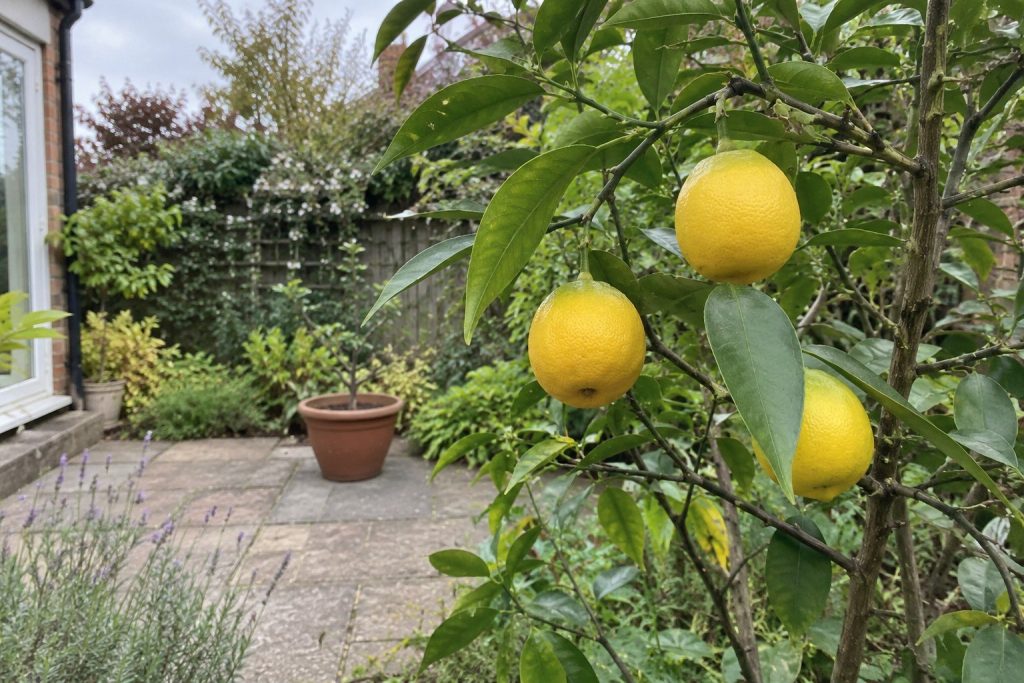
Yuzuquat forms a small tree of 7 to 10 ft (2 to 3 m) at maturity, with a bushy, compact habit and short thorns inherited from its Yuzu parent. Its evergreen foliage is dense and a true green, and gives off a very characteristic scent between lemon and kumquat when crushed. The white, abundant, fragrant bloom comes in spring and sometimes continues in successive waves. The hardiness reference kept is 10°F (−12°C) for an acclimated plant; no additional fixed gain is attributed to the rootstock.Fruit quality
The fruit, the size of a hen's egg (a little larger than a classic kumquat), has thin, bright yellow skin and very acidic, juicy pulp. Its flesh resembles that of a lemon, while the skin, edible whole as in kumquats, keeps the characteristic floral fragrance of the Yuzu with a discreet bitterness. Seeds are numerous, a trait inherited from the Yuzu, but this does not hinder using the fruit for juice or zest.Flavor and ornamental interest
Yuzuquat is used like a miniature Japanese lemon: its sharp, fragrant juice elevates ponzu sauces, vinaigrettes, cocktails, and fish marinades. Eaten whole, it offers the aromatic burst of kumquats but with the complexity of the Yuzu. Its bright yellow fruit that persist on the tree from August to November, its fragrant bloom, and its compact habit make it a top ornamental subject for a small garden or for container growing brought indoors during extreme episodes. Confectioners also appreciate its skin for candied fruit and limoncello-type liqueurs reinterpreted the Japanese way.Hardiness — October 8, 2026 review: The reference is kept at 10°F (−12°C) for an acclimated plant, consistent with the synthesis by Manner and colleagues. Accounts of more severe frosts do not set a limit applicable to all plants. The rootstock does not give an automatic gain of a few degrees. These temperatures apply to a mature, established, acclimated tree during a one-off frost; they guarantee neither the absence of damage nor a harvest. Wind, freeze duration, humidity, and pot culture change the risk.
Fruit resistance: The fruit reference already entered remains indicative: this review did not establish a new experimental threshold for this material. It is not deduced from the tree's temperature.
Hardiness references: Manner et al. — Citrus species, 2006 (accessed October 8, 2026).
Back to the collection
Updated: