Cold hardiness
14°F (−10°C)
Identity
OriginSouthern China, Hong Kong region
Genetic originWild species
USDA zone8a
Cold hardiness14°F (−10°C)
Fruit cold hardiness27°F (−3°C)
GrowthSlow
Height7 ft (2 m)
HarvestOctober, November, December
SeedsMany
UsesCandied fruit, Liqueur, Preserves
FlavorsSour, Bitter, Slight bitterness
History & Description
Origin
The Hong Kong kumquat (Fortunella hindsii) is the smallest species in the genus Fortunella, growing wild in the wooded coastal regions of southern China, around Hong Kong and Guangdong. Described botanically by Swingle in the early twentieth century, it is considered one of the most primitive kumquats, close to the ancestral form of the genus. In traditional Chinese culture, this thorny shrub covered in tiny orange fruit symbolizes abundance and prosperity: it is commonly used as a bonsai subject and as a decorative tree during Lunar New Year celebrations. Its cold tolerance must be assessed for the cultivated material; the indicative reference and its documentary limits are set out below.Tree description
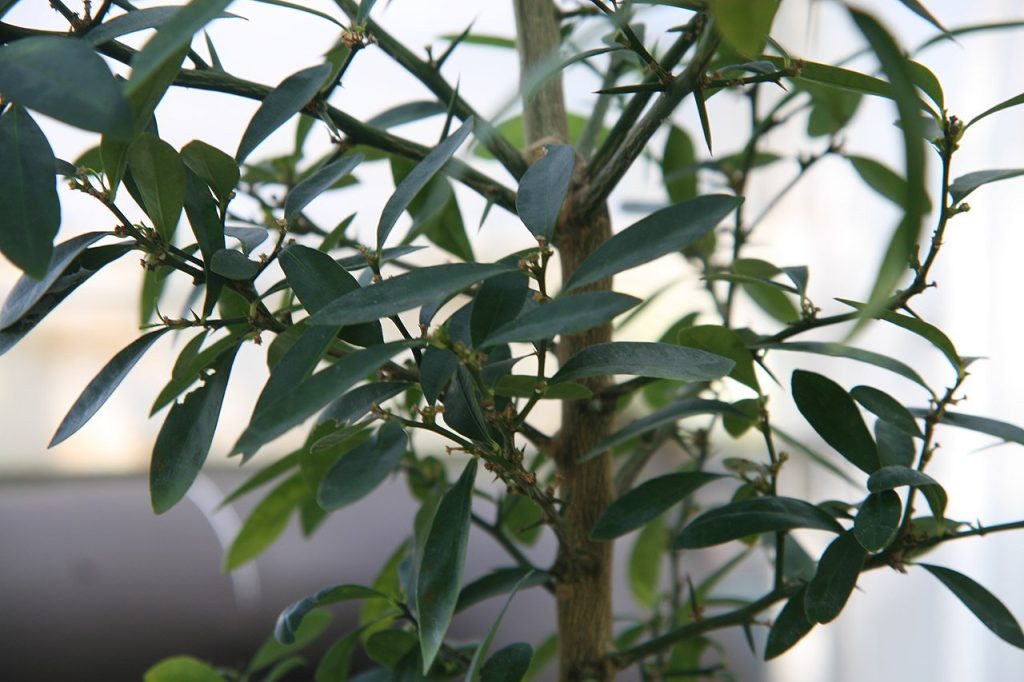
Very compact, the Hong Kong kumquat generally does not exceed 3 to 6.5 ft (1 to 2 m) in European cultivation. Its dense, naturally rounded habit, its many thorns, and its glossy dark green evergreen foliage make it a highly ornamental shrub. Abundant spring flowering produces tiny, very fragrant white flowers. The tree stands out for its exceptionally generous fruiting: literally covered in hundreds of tiny fruit from fall through winter, it makes an extraordinary visual display.Fruit quality
The fruit of the Hong Kong kumquat is the smallest of the entire genus Fortunella: spherical, measuring only 0.4 to 0.6 in (1 to 1.5 cm) in diameter, a brilliant, luminous orange. The flesh is very acidic and bitter, with a high proportion of seeds for its size, which makes it unpleasant to eat raw. The skin, on the other hand, is intensely fragrant and a remarkable source of aroma for cooking, craft liqueurs, and citrus preserves. These tiny fruit stay on the tree for a long time, extending the decorative season into the heart of winter.Flavor and ornamental interest
The Hong Kong kumquat is above all an exceptional ornamental citrus. Its main value lies in its winter display: a cascade of tiny orange spheres against dark foliage. It is highly sought after for bonsai, a discipline in which it excels thanks to its naturally small size and its response to pruning. In the kitchen, its concentrated zest flavors homemade liqueurs, mixed-citrus marmalades, and candied preparations.Hardiness — October 8, 2026 review: Indicative reference retained at 14°F (−10°C), corresponding to the cold end of the 23 to 14°F (−5 to −10°C) class proposed by Pépinière Med. No trial identified in this review confirms greater resistance for the material described on this page. Do not automatically equate it with eating kumquats. These temperatures apply to a mature, established, acclimated tree during a one-off frost; they guarantee neither the absence of damage nor a harvest. Wind, freeze duration, humidity, and pot culture change the risk.
Fruit resistance: The fruit reference already on record remains indicative: this review did not establish a new experimental threshold specific to this material. It is not deduced from the tree temperature.
Hardiness references: Pépinière Med — Hong Kong (accessed October 8, 2026).
Back to the collection
Updated: