Cold hardiness
14°F (−10°C)
Identity
OriginSpain
Genetic originNamed selection of Fortunella margarita
USDA zone8a
Cold hardiness14°F (−10°C)
Fruit cold hardiness25°F (−4°C)
GrowthSlow
Height10 ft (3 m)
HarvestJanuary, November, December
SeedsFew
UsesFresh eating, Preserves
FlavorsTart, Highly aromatic, Sweet
History & Description
Origin
The Jimenez kumquat is a named selection of Fortunella margarita, the oval kumquat native to southern China. Its name most likely points to a selection made in Spain or the Mediterranean basin, where kumquats have been grown since their introduction to Europe by the Scottish botanist Robert Fortune in the nineteenth century. He brought these little citrus back from his expeditions in China, where they had been grown for centuries as a symbol of prosperity. Named selections like Jimenez aim to isolate forms with superior productivity or improved taste quality compared with the standard Nagami form. The variety is particularly appreciated for its reliability in Mediterranean and mild Atlantic cultivation, with generous flowering and regular production.Tree description
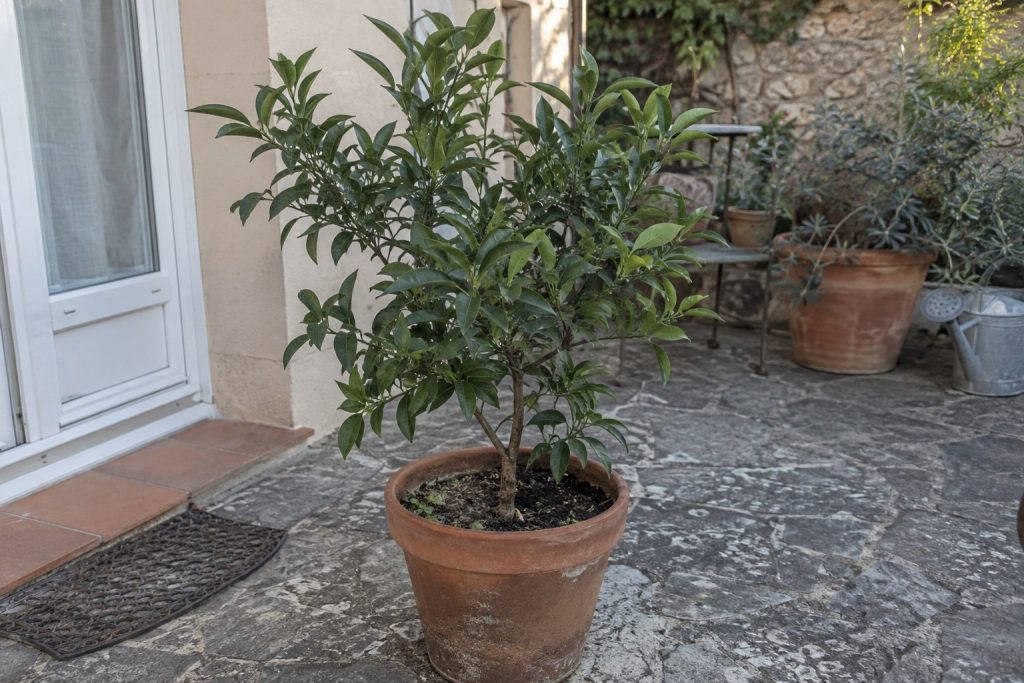
A tree with a compact, bushy habit and slow growth, reaching 6.5 to 10 ft (2 to 3 m) in the ground on well-drained soil. Its dark green evergreen foliage is dense and very ornamental all year round. The white, highly fragrant flowering takes place in spring. Production is regular and abundant from the first years.Fruit quality
Oval-elongated fruit typical of the Nagami, 0.8 to 1.4 in (20 to 35 mm) long, a lovely yellow-orange at maturity from fall to midwinter. The rind is thin, sweet, and very aromatic, contrasting pleasantly with the tart flesh. The fruit is eaten whole, skin included. Few seeds, which makes eating out of hand and culinary preparations easier.Flavor and ornamental interest
The Jimenez kumquat is appreciated for eating fresh but also in jam, where its sweet, aromatic skin brings a distinctive roundness. The tree is very decorative, especially in fall and winter when its golden-orange fruit stay on the branches for many weeks. Its slow growth and compact habit make it an excellent subject for container growing on terraces and balconies.Hardiness — October 8, 2026 review: Earlier reference of 14°F (−10°C) kept on a provisional basis. The targeted search found no independent source assigning a temperature to the Jimenez cultivar; its precise hardiness remains to be confirmed with the holder of the plant. No increase to 10°F (−12°C) or 7°F (−14°C) is justified by this review. These temperatures apply to a mature, established, acclimated tree during a one-off frost; they guarantee neither the absence of damage nor a harvest. Wind, freeze duration, humidity, and pot culture change the risk.
Fruit resistance: The fruit reference already on record remains indicative: this review did not establish a new experimental threshold specific to this material. It is not deduced from the tree temperature.
Back to the collection
Updated: