Cold hardiness
0°F (−18°C)
Identity
OriginContemporary European selection
Genetic originHybrid of Citrus ichangensis (Ichang papeda) x Fortunella (kumquat)
Cold hardiness0°F (−18°C)
Fruit cold hardiness19°F (−7°C)
GrowthModerate
Height10 ft (3 m)
HarvestJanuary, November, December
SeedsModerate
FlavorsSour, Slight bitterness, Highly aromatic
History & Description
Origin
Ichangquat 6-7-2 is a remarkable contemporary hybrid obtained by crossing the Ichang papeda (Citrus ichangensis or Citrus cavaleriei depending on current taxonomic classifications) with a kumquat (Fortunella). The selection code 6-7-2 refers to the generation and the individual number in the original selection program. Born of the broader quest by European and American breeders to combine two of the hardiest citrus in the world in a single hybrid with edible fruit, this cultivar brings together the extreme hardiness of the Ichang papeda, native to the mountains of China's Hubei and able to tolerate 5°F (−15°C) in the wild, and the winter robustness of the kumquat, a fruit with sweet skin that can be eaten whole. Documented by the British Royal Horticultural Society and propagated in French-speaking amateur circles through specialized forums, Ichangquat 6-7-2 remains one of the hardiest selections ever produced among citrus with culinary fruit.Tree description
Ichangquat 6-7-2 forms a compact to moderately vigorous tree reaching 7 to 10 ft (2 to 3 m) at maturity, with a rounded habit and evergreen foliage recalling both the Ichang papeda (leaves with typical winged petioles) and the kumquat (smaller, tighter leaves). A few fine thorns dot the young branches. The abundant white, fragrant spring bloom inherits the floral profusion typical of the kumquat. Its exceptional hardiness, 0°F (−18°C) according to French-language forum observations, makes it one of the few citrus able to grow in the ground up to USDA zone 7a, which potentially includes the continental climates of central France, the Lyon area, or eastern France.Fruit quality
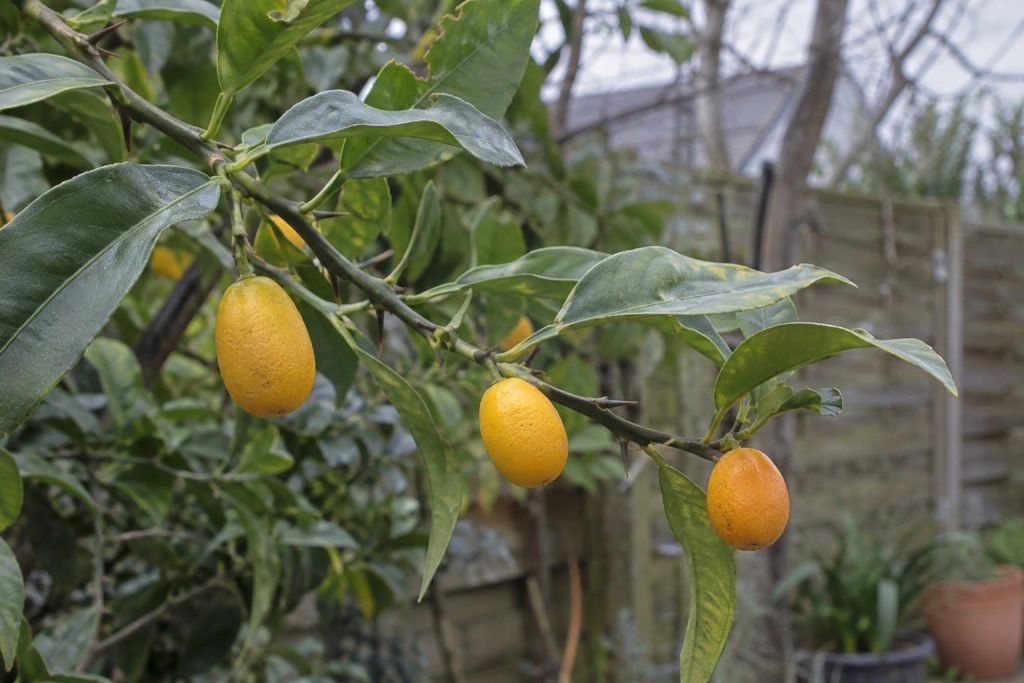
The fruit of Ichangquat 6-7-2 is small, weighing 0.5 to 1 oz (15 to 30 g), oval or round depending on the specimen, with thin orange or golden yellow skin, edible and sweet like that of a kumquat parent. The flesh is tart and fragrant, with fresh, resinous notes inherited from the Ichang papeda and a slight bitterness tempered by the sweet skin. Moderately numerous seeds. The fruit is eaten whole, skin included, in the kumquat tradition, which is its main flavor appeal.Flavor and ornamental interest
Ichangquat 6-7-2 is valued for its culinary versatility in climates where few citrus can fruit: candied whole fruit, marmalade, liqueur in the manner of limoncello, a fresh condiment on savory dishes. Its exceptional hardiness makes it a coveted collector's subject in amateur gardens in the cold zones of France, the United States, and Britain. Grafted onto Poncirus trifoliata and planted against a south-facing wall, it can produce fruit every year up to a markedly continental climate, which represents a remarkable advance in amateur horticulture of ultra-hardy citrus.
Back to the collection
Updated: