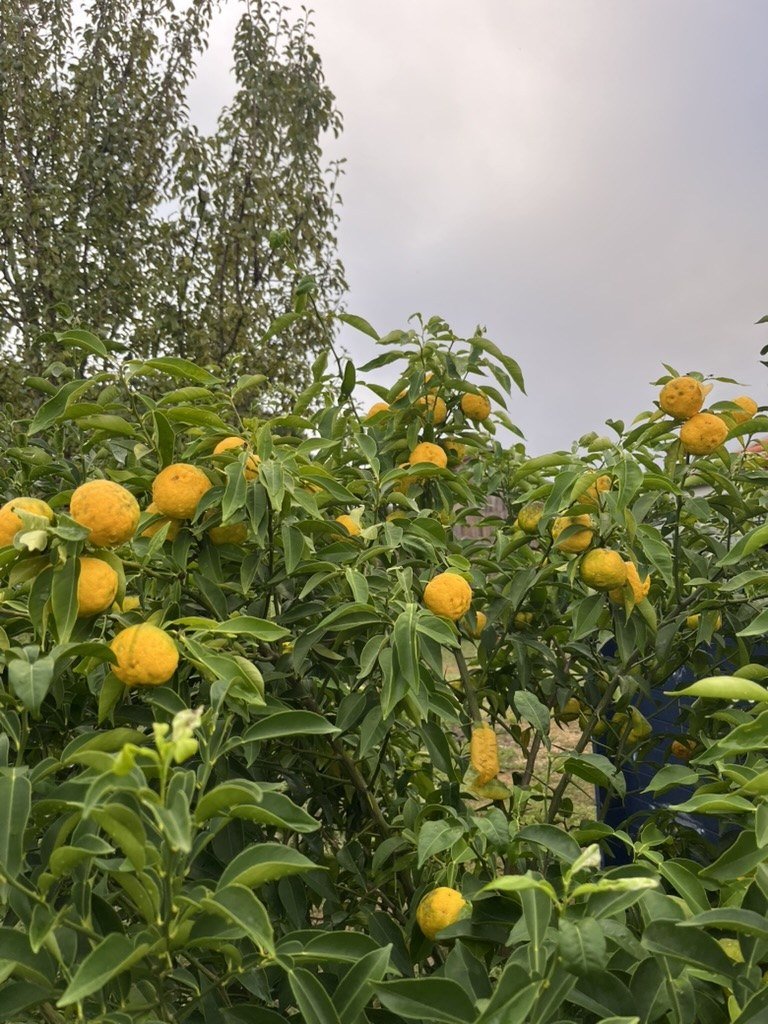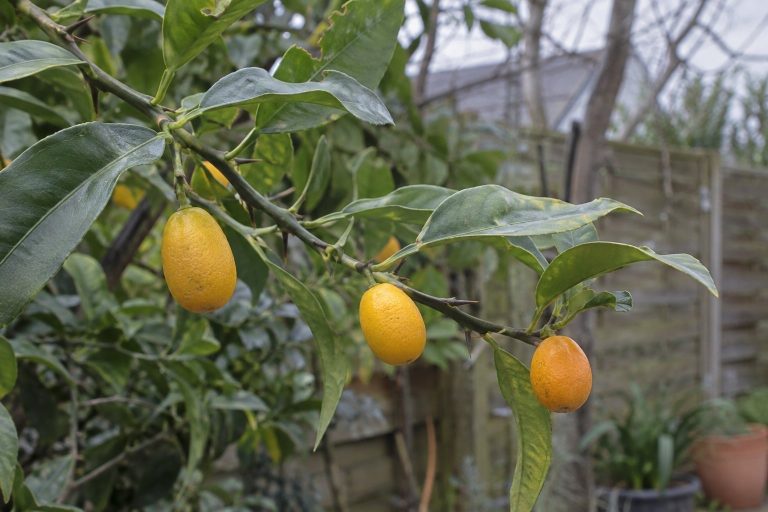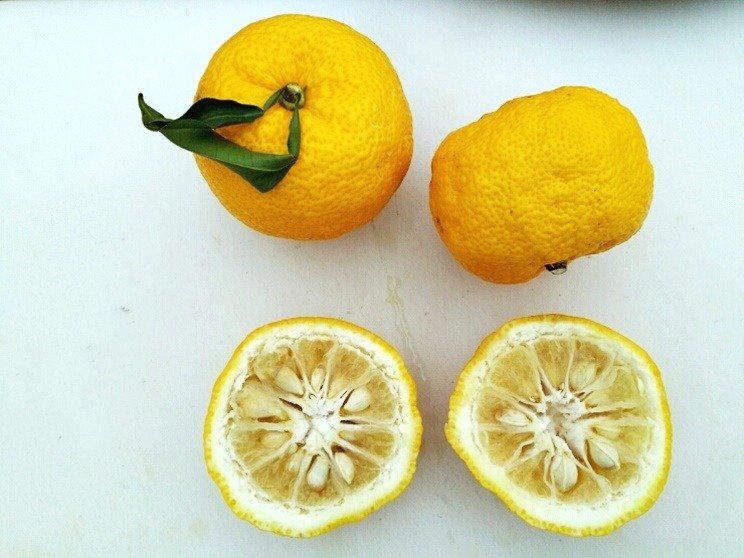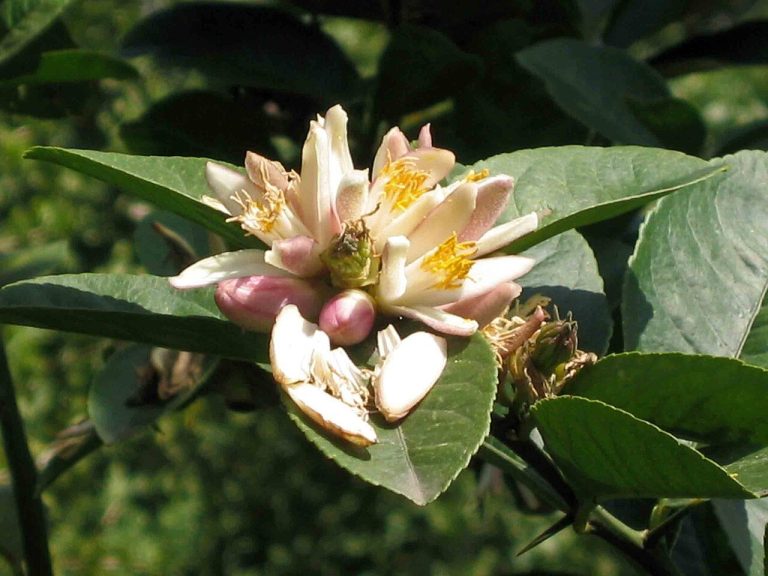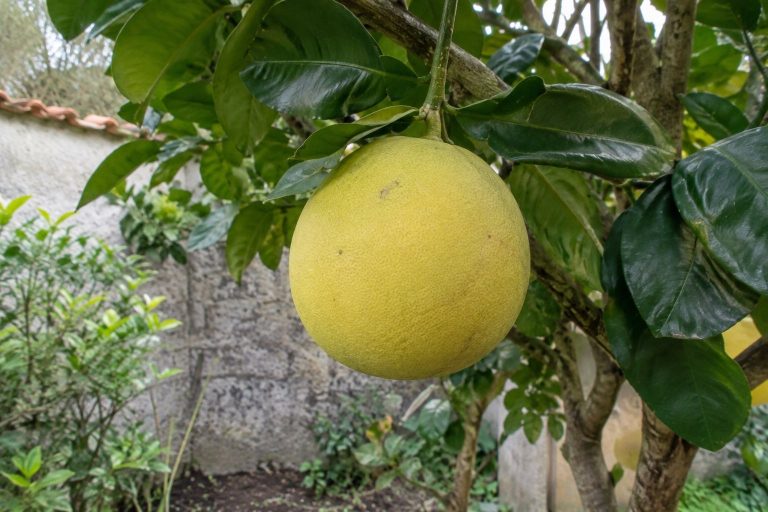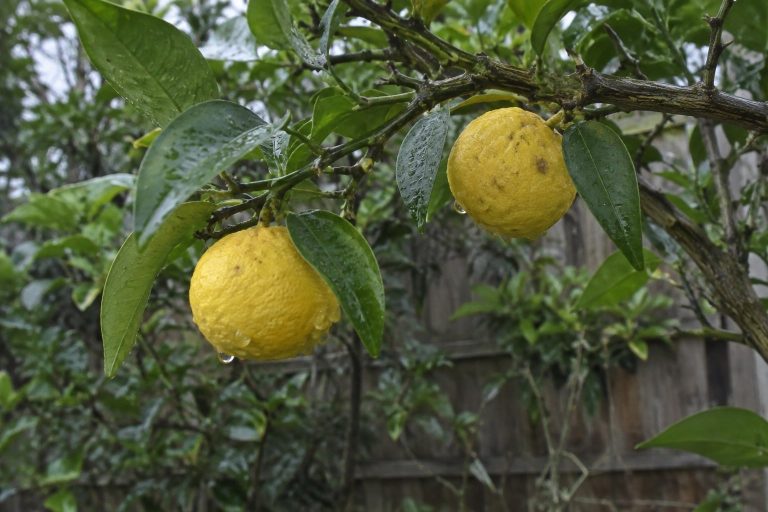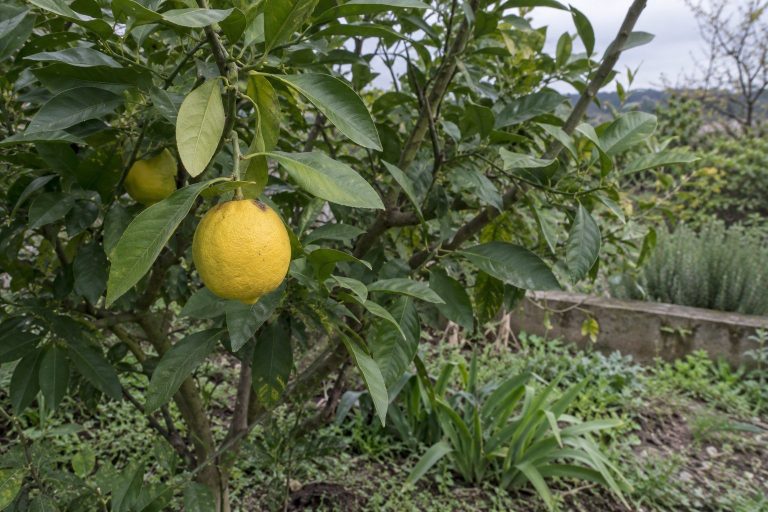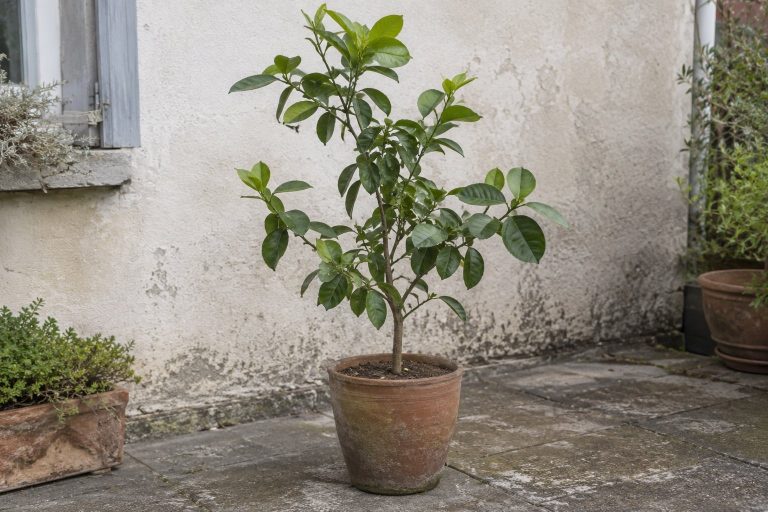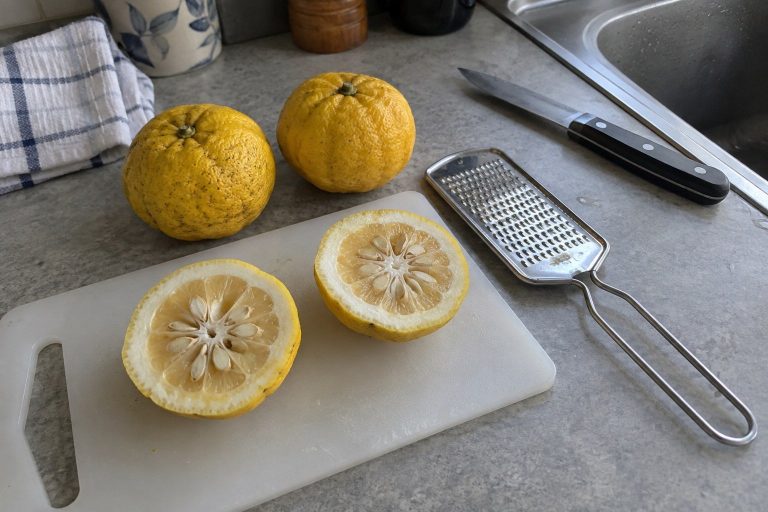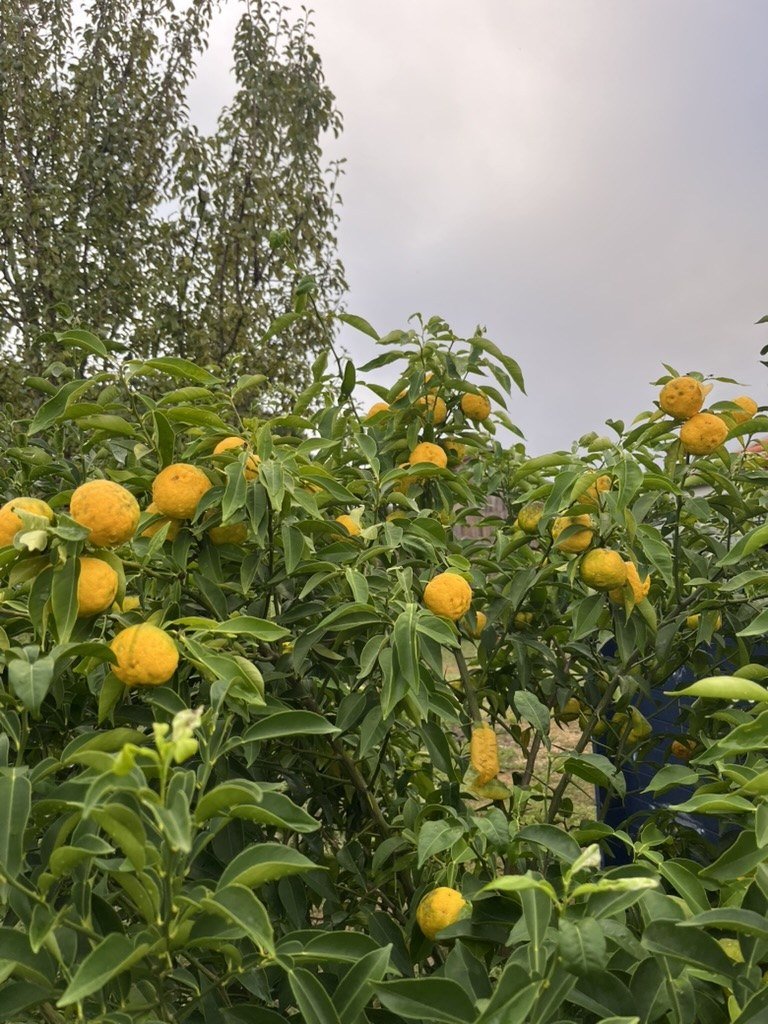
Container or in-ground growing: consider the individual plant
Compare the identified plant with the available location. A container makes moving it to shelter easier; in-ground growing must suit its vigor and needs. Allow a passage around the canopy: yuzu and Ichang papeda bear thorns.
Ask for the rootstock and propagation method. A seedling may remain juvenile for a long time before fruiting; vegetative propagation preserves a selection’s characteristics. The dedicated guide extends this comparison for growing classic yuzu.
References: UCR — Yuzu, CRC 1216 · UCR — Ichang papeda, CRC 2431 · UF/IFAS — Citrus Propagation · Royal Horticultural Society — Trees in containers
Caring for a thorny tree without making harvest difficult
Use suitable gloves when working within a thorny canopy and limit heavy pruning. On a grafted plant, remove rootstock shoots that compete with the portion chosen for its fruit. Locate their origin before any cut.
In containers, check drainage and moisture; increase container size gradually. Avoid late nitrogen fertilization that stimulates tender shoots before winter. For detailed care, refer to the growing guide.
References: Royal Horticultural Society — Growing citrus · UF/IFAS — Grove Planning and Establishment · Royal Horticultural Society — Trees in containers · Royal Horticultural Society — Preventing winter damage
How should you compare their freeze tolerance?
Ichang papeda’s value for breeding cold-tolerant citrus does not provide a single threshold for its relatives. Use the indicators specific to the records, along with their conditions. Always distinguish wood survival, preservation of the crop and protection of a young plant or container.
Freeze intensity and duration affect damage. Parentage does not allow you to calculate a limit. Consider wind, the plant’s condition and its location; also protect container roots.
References: UCR — Ichang papeda, CRC 2431 · Royal Horticultural Society — Preventing winter damage · UF/IFAS — Microsprinkler Irrigation for Cold Protection · UF/IFAS — Citrus Cold Protection
Which fruit is suited to juice, zest or collecting?
Yuzu fragrance and Ichanglemon juice suit different preferences. For the Ichang lemon in its collection, UCR reports fragrant peel, juice usable in drinks and large seeds. These descriptions help you choose a use without promising the same result for every selection.
Ichang papeda mainly appeals to botanical collections. For cooking, consult the specific plant’s record, then assess the fruit at the stage appropriate for your intended use. This family is not a uniform supply of lemons.
References: UCR — Yuzu, CRC 1216 · UCR — Ichang papeda, CRC 2431 · UCR — Ichang lemon, CRC 1215
Do yuzu and papeda refer to the same plant?
No. UCR presents yuzu as a hybrid probably derived from Ichang papeda and mandarin parentage. Its “Papedas and their hybrids” collection brings together several distinct plants. The site’s grouping makes comparison easier; it does not turn the table’s names into synonyms.
Keep the plant’s label and origin information. Yuzu N°3 and Yuzu de Corse remain separate records: a general description does not certify a commercial clone’s particular traits, even when names resemble one another.
References: UCR — Yuzu, CRC 1216 · UCR — Papedas and their hybrids · UF/IFAS — Citrus Propagation
Frequently asked questions about yuzus and papedas
Which page should I consult to discover classic yuzu?
The Yuzu record presents the citrus in general; the “Growing yuzu: from planting to harvest” guide develops its cultivation. This collection helps compare plants and other related citrus.
Can Ichang papeda replace yuzu in cooking?
Not to obtain the same fruit. On the accession studied by UCR, Ichang papeda has a very acrid flavor and little juice. Its botanical value does not guarantee culinary use comparable to yuzu.
Is Ichanglemon a classic lemon tree?
UCR lists Ichang lemon under Citrus wilsonii, with parentage proposed as a hypothesis. It should therefore not automatically be equated with an ordinary lemon tree. Check the selection to clarify its fruit and growing conditions.
Will a seed-grown yuzu produce fruit quickly?
The juvenile phase of a seed-grown citrus can last several years. UF/IFAS distinguishes this phenomenon from propagation by grafting. For a harvest goal, ask about the propagation method and age of the offered plant.
Which of these citrus is the hardiest?
The documentation does not provide a ranking under a shared protocol. Compare individual indicators and their context. The name papeda, parentage or a particular rootstock provides no additional guarantee.
Can a container-grown yuzu stay outside all winter?
It depends on the plant and local freezes. A stated temperature for an established tree does not, by itself, describe a container plant. Prepare container protection and an appropriate shelter option before cold weather arrives.
Sources and method
A documentary synthesis from the encyclopedia, published by Léo, an amateur gardener on the Arcachon Basin, in USDA zone 8b. References distinguish scientific accessions from commercial selections. Growing guidance should be read together with the variety, graft and garden conditions. The cited sources are documentary; this page does not report a personal freezing trial.
- UCR — Yuzu, CRC 1216
Identity, probable parentage, thorny tree and fruit uses; accession and historical observations distinct from commercial selections.
- UCR — Ichang papeda, CRC 2431
Foliage, thorns, breeding value and observation of acrid fruit with little juice; no French threshold inferred.
- UCR — Ichang lemon, CRC 1215
Citrus wilsonii, parentage presented as a hypothesis, juice, fragrance and large seeds; historical description of the preserved plant material.
- UCR — Papedas and their hybrids
Scope of the university collection: papedas and several related citrus, without equivalence between all names.
- UF/IFAS — Citrus Propagation
Scion, rootstock and citrus propagation.
- Royal Horticultural Society — Growing citrus
Care; British context.
- UF/IFAS — Grove Planning and Establishment
Planning according to vigor, drainage, young tree care and sucker removal; Florida orchard context.
- Royal Horticultural Society — Trees in containers
Containers and roots; British context.
- Royal Horticultural Society — Preventing winter damage
Container protection, wind exposure and limiting late nitrogen applications.
- UF/IFAS — Microsprinkler Irrigation for Cold Protection
Distinction between fruit and wood damage, role of freeze duration and acclimation; orange thresholds are not transferred to hybrids.
- UF/IFAS — Citrus Cold Protection
Site selection, wind, water status and nutrition before freezes; no industrial sprinkler technique recommended here.