Cold hardiness
5°F (−15°C)
Identity
OriginChina (Yunnan, Guizhou)
Genetic originWild papeda (close to Citrus cavaleriei)
USDA zone7b
Cold hardiness5°F (−15°C)
Fruit cold hardiness27°F (−3°C)
GrowthModerate
Height16 ft (5 m)
HarvestOctober, November, December
SeedsMany
UsesJuice, Liqueur, Preserves, Savory cooking
FlavorsSour, Highly aromatic, Slight bitterness
History & Description
Origin
Shangjuan, known by the botanical name Citrus wilsonii, is a wild citrus native to central and southern China, in particular the provinces of Yunnan and Guizhou. It belongs to the papeda family, a group of primitive citrus among the closest to the ancestral species, and is among the hardiest citrus known in the world. Cultivated for centuries in high-altitude Chinese mountain regions, it survives where nearly all citrus would perish in winter. Its Chinese name literally means mountain citrus. Ernest Henry Wilson, a British botanist, brought specimens back to the West in the early 20th century, hence its scientific epithet wilsonii. Long considered a mere rootstock or botanical curiosity, it is now grown as a fruit tree in its own right for its exceptional genetic interest and its ornamental qualities.Tree description
Shangjuan forms a shrubby tree or a small tree that can reach 13 to 16 ft (4 to 5 m), with a bushy, slightly thorny habit. Its dense, glossy dark green evergreen foliage is made up of large elliptical leaves characteristic of papedas. The white, fragrant bloom comes in spring. Growth is moderate and the tree develops a fine natural framework over the years.Fruit quality
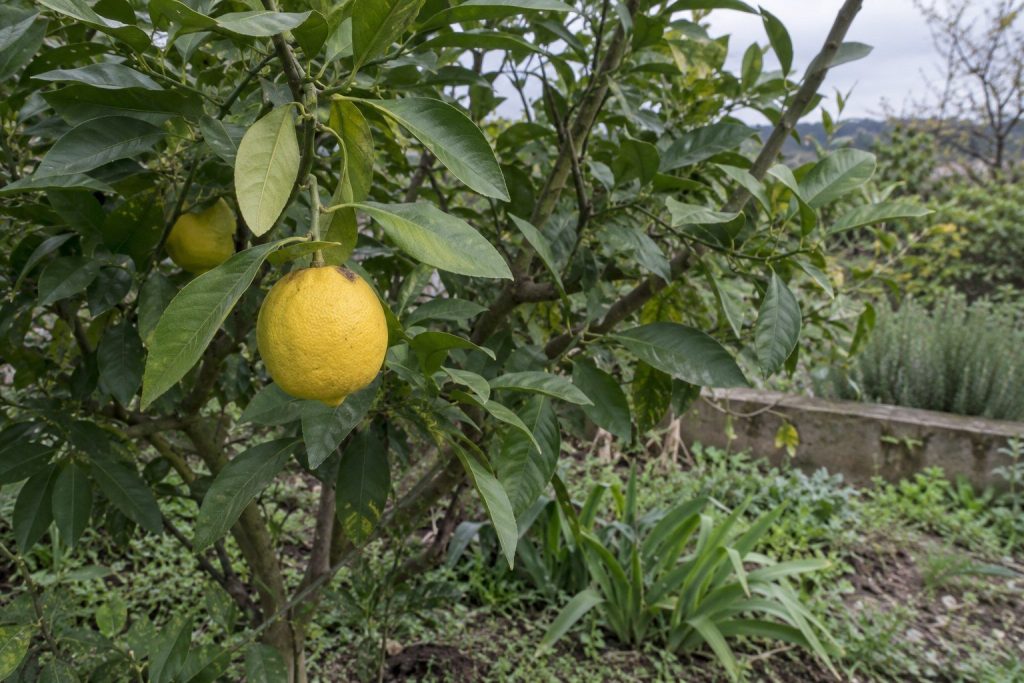
The Shangjuan fruit is imposing, recalling a large grapefruit, 3.1 to 4.7 in (8 to 12 cm) in diameter, yellow-green at fall maturity. The pulp is very acidic and intensely fragrant, with pronounced notes of lemon and grapefruit accompanied by a slight aromatic bitterness. The juice is present but strongly acidic, and the seeds are numerous. The zest is the most valued part for its exceptional aromatic qualities.Flavor and ornamental interest
Shangjuan finds its main interest in the kitchen thanks to its very aromatic zest, used in jam, in liqueur, or as a condiment in savory dishes in the manner of yuzu. Its extraordinary fragrant profile makes it a sought-after ingredient for creative cooks. Ornamentally, its majestic habit, large white flowers, and imposing fruit make it a remarkable specimen in hardy gardens. Its tolerance of extreme cold, close to that of Poncirus, makes it an ambassador of citrus in the most difficult zones of Europe.
Back to the collection
Updated: