Variety profile

Seneca Sudachi

(Citrus sudachi 'Seneca')

Documented by Léo — grown in the ground, USDA zone 8b

Seneca sudachi (Citrus sudachi 'Seneca') is an American selection of the Japanese sudachi, grown in the northeastern United States for its adaptation to cool continental climates. Its hardiness reaches 10°F (−12°C) on the tree, making it suitable for in-ground growing in USDA zones 7b and 8a, among the hardiest of the Japanese citrus. The tree reaches 7 to 13 ft (2 to 4 m) with a rounded habit, aromatic evergreen foliage, and fragrant white flowers. Its round-flattened fruits, bright green or yellow at maturity, small (1.6 to 2 in, or 4 to 5 cm), with thin skin, ripen in September to October and hold a very tart, fragrant juice with notes of lime and yuzu, without bitterness. Indispensable in Japanese cooking (fish, soba, ponzu sauces). Graft onto Poncirus trifoliata, plant against a south-southwest-facing wall; well-drained soil is essential.

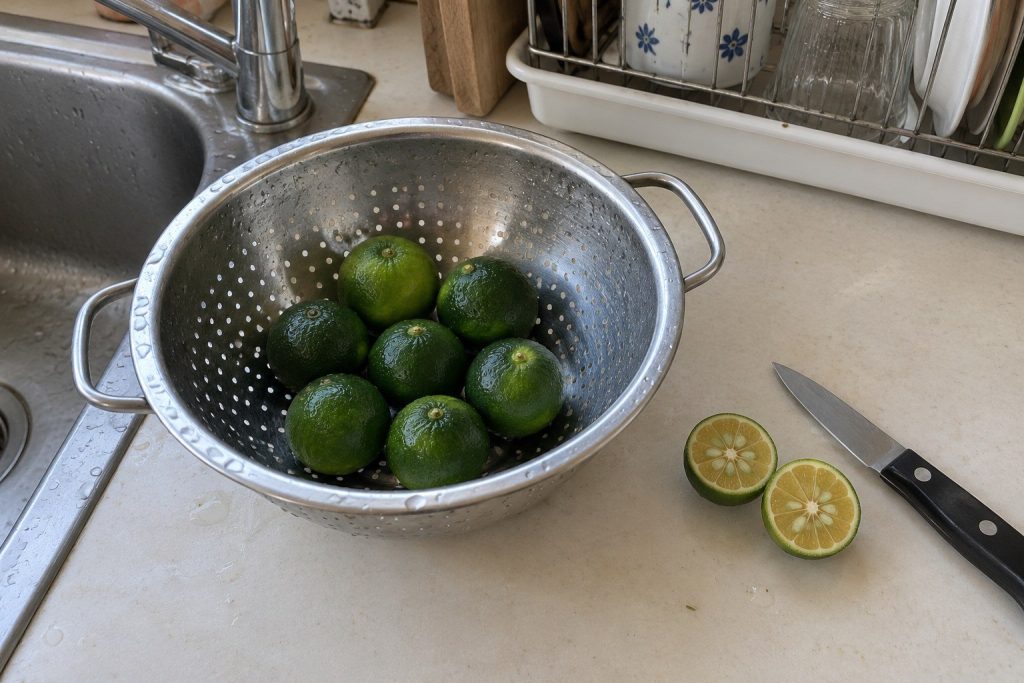
Green citrus fruit in a colander beside a cut half and knife
AI-generated illustration. It does not authenticate cultivar identity or cold tolerance.
Cold hardiness 10°F (−12°C)

Identity

OriginJapan
Genetic originOld hybrid (Yuzu × Koji or other)
USDA zone
Cold hardiness10°F (−12°C)
Fruit cold hardiness25°F (−4°C)
GrowthModerate
Height10 ft (3 m)
HarvestSeptember, October, November
SeedsMany
FlavorsSour, Herbal, Peppery

History & Description

Origin

Seneca sudachi is a clonal selection distributed by specialist nurseries, recognized for its reliability and productivity. It carries on the tradition of sudachi, grown in Japan for centuries as a superior substitute for vinegar.

Tree description

It is a bushy, dense, fairly thorny shrub. It is robust and adapts well to cool climates, showing cold resistance comparable to that of yuzu.

Fruit quality

It produces small, spherical green fruits (1 to 1.4 oz, or 30 to 40 g). The skin is thin and the fruit is filled with abundant juice even when harvested green.

Flavor and ornamental interest

In terms of taste, it is the king of seasonings. Its acidity is more "noble" and less aggressive than that of lemon, with a unique herbal and spicy aroma that elevates dishes without masking them.
Back to the collection

Updated:

"Growing rare citrus means accepting that nature has the last word, while whispering in its ear how to survive the winter."

Scroll to Top