Cold hardiness
14°F (−10°C)
Identity
History & Description
Origin
Citrus ichangensis var. hongkong, the Hong Papeda, is native to central and southwestern China, in the provinces of Hubei, Sichuan, Guizhou, and Yunnan. Its type species takes its name from Yichang, the city in Hubei where the citrus was documented for its exceptional hardiness. Considered one of the hardiest citrus in the world, it represents a unique botanical heritage and an invaluable genetic resource for varietal improvement. This hongkong variety is distinguished from the classic Ichang Papeda by morphological characteristics specific to the Hong Kong region.Tree description
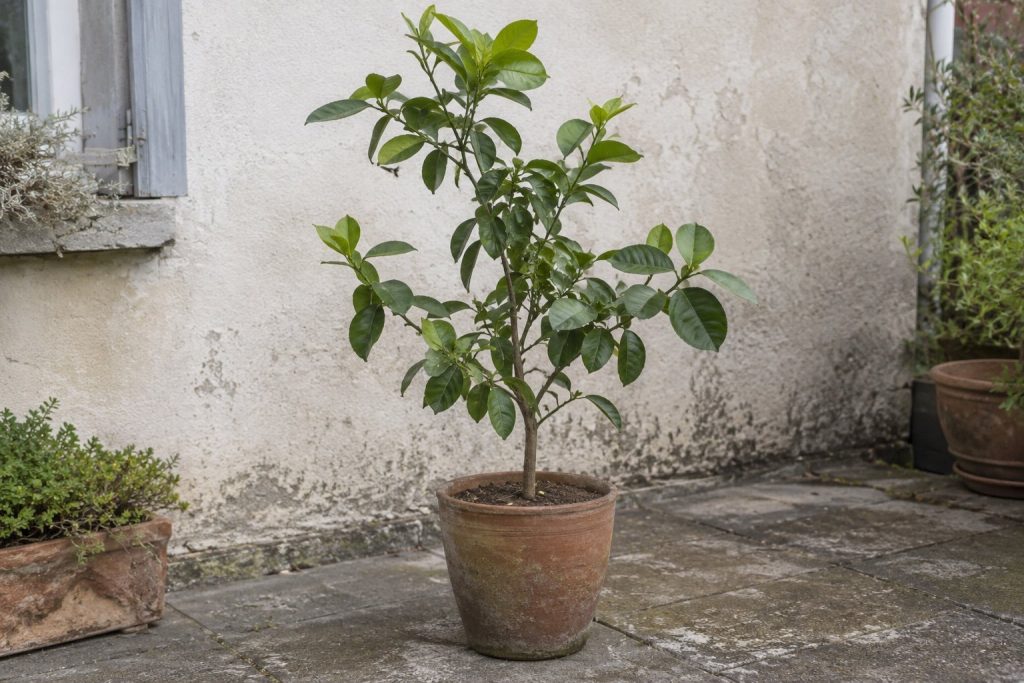
A slow-growing shrub or small tree, reaching 13 to 16 ft (4 to 5 m) in height at maturity. Very thorny evergreen foliage, typical of wild papedas, with white flowers in spring. The habit is dense and bushy. The tree is very robust, particularly suited to prolonged exposure to cold and to difficult terrain. The slow development is offset by remarkable longevity and vigor once established.Fruit quality
The fruit is small, bumpy, and rough, variable in shape, ripening to yellow or orange. The skin is thick and strongly aromatic. The flesh is sparse with very little juice, filled with many large seeds and white pith. The flavor is very acidic and bitter, unfit for eating out of hand, but the essential oil of the zest is remarkably rich and complex, close to that of the Ichang Papeda but with its own aromatic nuances.Flavor and ornamental interest
Although the fruit cannot be eaten fresh, the highly aromatic zest is prized in Asian cooking, notably in hot pots and roasted meat preparations. The leaves are also used as seasoning. Its main interest for the European gardener lies in its exceptional hardiness and its role as a rootstock or parent in hardy hybrids. Ornamental interest comes from the thorny habit, the fragrant flowers, and the small colorful fruit that persist through winter.
Back to the collection
Updated: