Cold hardiness
5°F (−15°C)
Identity
OriginChina (Hubei, Sichuan)
Genetic originNatural hybrid Citrus ichangensis × Citrus maxima (Ichang papeda × pummelo)
USDA zone7b
Cold hardiness5°F (−15°C)
Fruit cold hardiness23°F (−5°C)
GrowthVigorous
Height16 ft (5 m)
HarvestNovember, December
SeedsFew
UsesJuice, Sweet cooking
FlavorsSour, Highly aromatic
History & Description
Origin
The Ichanglemon, Citrus wilsonii by its botanical name, is a natural hybrid native to the Chinese provinces of Hubei and Sichuan, discovered in the early twentieth century by the British botanist Ernest Wilson. Born of a spontaneous cross between the Ichang papeda (Citrus ichangensis) and the pummelo (Citrus maxima), it combines the exceptional hardiness of the papeda with the fruit size of the pummelo. Long grown as an ornamental and aromatic citrus in European botanical gardens, it has gradually been rediscovered by French nurserymen as a hardy alternative to the lemon. Its common name "Ichang lemon" testifies to the frequent confusion with a true lemon tree, although botanically it belongs to the papedas. It is one of the rare genetic bridges making it possible to confer frost resistance far superior to that of citrus with edible fruit.Tree description
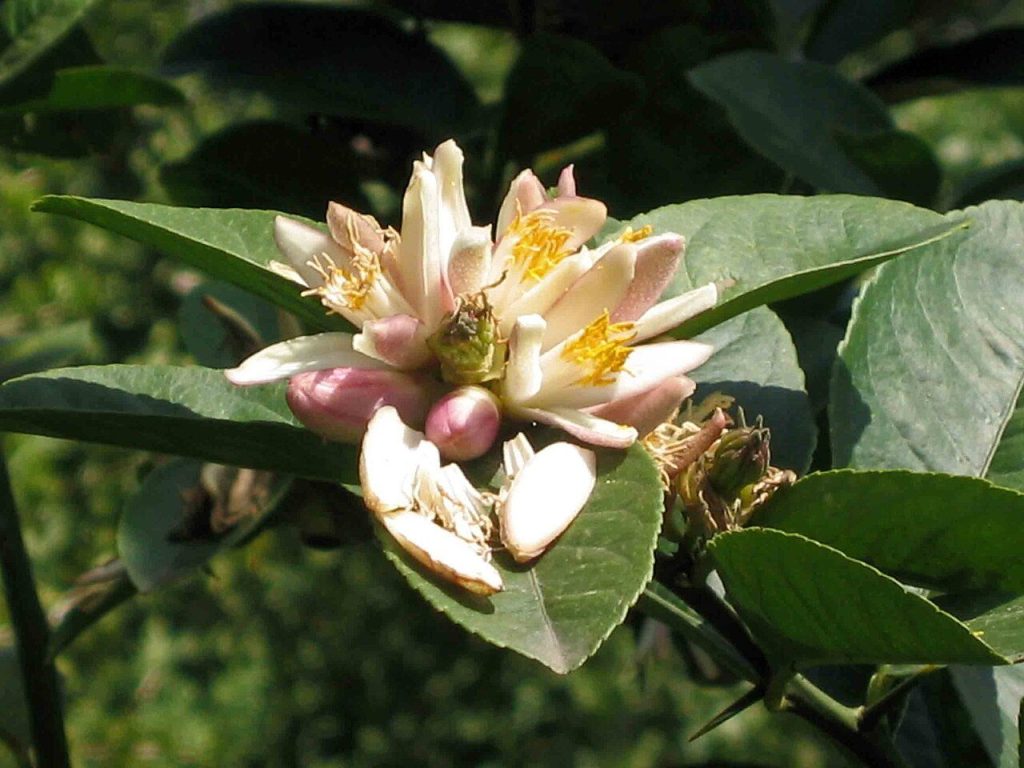
The tree has a slightly weeping habit, reaching 13 to 16 ft (4 to 5 m) tall at maturity, with dark green evergreen foliage characteristic of papedas. The double leaves, typical of the genus, are accompanied by sharp thorns on young shoots. The spring bloom is white and very fragrant, followed by vigorous, very productive fruiting, although alternate from year to year. Its fast growth and its adaptation to calcareous soils make it an easy specimen to establish in zone 7b. The Pépinière du Bosc and Pépins Perdus report a hardiness of 5°F (−15°C) for the tree. This benchmark applies to a well-established adult; the duration of the frost, drainage and hardening off all influence the damage. The fruits remain more sensitive to frost than the tree.Fruit quality
The fruit looks like a large yellow grapefruit of about 10.5 oz (300 g), with thick, highly fragrant skin recalling the yuzu. The flesh is moderately juicy, sour and aromatic, with fewer seeds than the classic yuzu. The zest holds the most precious aromas, while the juice offers frank lemony notes. The balance between acidity and fragrance makes it a fruit much sought after by demanding cooks.Flavor and ornamental interest
The Ichanglemon is the darling of French pastry chefs for its unique yuzu-lemon notes, ideal in tarts, gels, sorbets and macarons. Its zest infuses perfectly into sugar, olive oil and spirits to make artisanal liqueurs. As an ornamental, its weeping habit and evergreen foliage make it an elegant tree to plant as a specimen or as a fragrant windbreak. Its remarkable hardiness opens up the cultivation of the papeda genus to gardeners in the coldest regions of France.
Back to the collection
Updated: