Cold hardiness
10°F (−12°C)
Identity
OriginFrance (Pépinières Vessières selection)
Genetic originSelection or mutation of Citrus wilsonii
USDA zone8a
Cold hardiness10°F (−12°C)
Fruit cold hardiness27°F (−3°C)
GrowthVigorous
Height16 ft (5 m)
HarvestJanuary, February, November, December
SeedsFew
UsesJuice, Preserves, Sweet cooking
FlavorsSour, Highly aromatic, Slightly acidic
History & Description
Origin
Wagashi Ichanglemon is a remarkable selection from the Vessières nursery, which appeared during the propagation of Citrus wilsonii and was kept for its exceptional qualities. It is a variety of Ichanglemon, itself a natural hybrid between the Ichang papeda (Citrus cavaleriei) and the lemon tree, native to the mountain valleys of Sichuan and Yunnan in China. The name “Wagashi” is a nod to traditional Japanese confectionery, referring to the sweetness of its albedo, an extremely rare trait in this family of citrus. Its hardiness of 10°F (−12°C), inherited from its papeda parents, makes it an especially valuable alternative to the lemon tree for gardeners in cold temperate regions. Its long harvest season, from November to February, extends the availability of fresh lemon well after the frosts.Tree description
Wagashi Ichanglemon is a vigorous tree with a slightly weeping, very elegant habit, reaching 13 to 16 ft (4 to 5 m) at maturity. Its evergreen foliage, deep green with the characteristic bifoliate leaves inherited from the papeda, is very decorative all year round. Remarkably productive and without marked alternate bearing, it yields regular, generous harvests from one year to the next, which sets it favorably apart from the classic Ichanglemon.Fruit quality
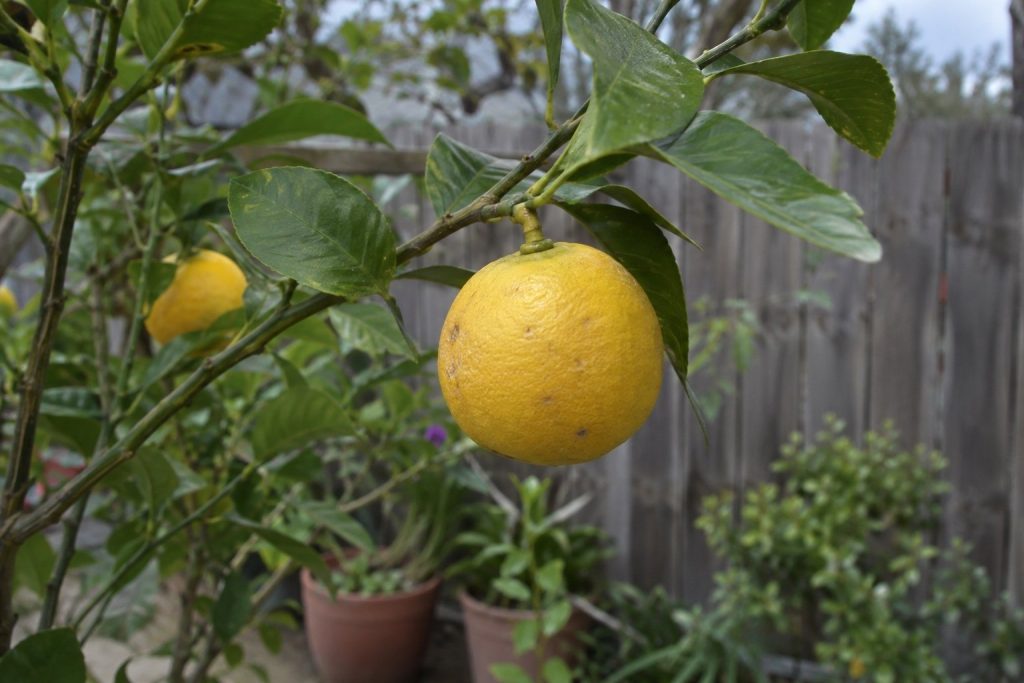
The fruit of Wagashi Ichanglemon is small and round, weighing about 4.6 oz (130 g), a lemon-yellow to golden color at full maturity. The zest is very fragrant with intense floral and lemony notes. Its most remarkable feature lies in its albedo: unlike most citrus, whose albedo is bitter and fibrous, that of the Wagashi is sweet and slightly crunchy, almost edible. The juice is comparable to that of a classic lemon, acidic and aromatic. The seed content is low.Flavor and ornamental interest
Wagashi Ichanglemon stands out as the lemon alternative for cold climates par excellence. Its fragrant juice advantageously replaces classic lemon in all culinary preparations, from pastry to marinades. Its sweet albedo opens up new culinary possibilities: confections, whole-fruit marinades, candied zest without bitterness. Its long production season (November to February) makes it a valuable companion through the winter months. In the garden, its weeping habit and bifoliate foliage give it a remarkable botanical elegance among hardy citrus.
Back to the collection
Updated: