Cold hardiness
5°F (−15°C)
Identity
OriginJapan
Genetic originModern seedless selection of Yuzu, derived from the traditional Japanese yuzu (Citrus junos)
USDA zone7b
Cold hardiness5°F (−15°C)
Fruit cold hardiness23°F (−5°C)
GrowthVigorous
Height13 ft (4 m)
HarvestOctober, November, December
SeedsSeedless
UsesJuice, Liqueur, Preserves, Savory cooking
FlavorsSharp acidity, Highly aromatic, Balanced
History & Description
Origin
The Tada Nishiki Yuzu (多田錦) is a modern Japanese selection of the traditional Yuzu (Citrus junos), remarkable for a very rare trait in this species: the near-total absence of seeds. The standard Yuzu usually contains 15 to 20 large seeds per fruit, which complicates its commercial use in juice and pastry; Tada Nishiki, selected in Japan by mutagenesis or clonal selection, produces fruits of 3 to 3.5 oz (80 to 100 g) almost entirely free of seeds, much juicier and just as aromatic as the classic type. Its name combines "Tada" (多田), the place name of the Japanese nursery behind the selection, and "Nishiki" (錦), which means "brocade" or "perfect", thus referring to the status of excellence of this variety. Grown in the northern regions of Japan such as Tohoku and Hokuriku, known for their harsh winters, Tada Nishiki retains all the legendary hardiness of the Yuzu, suited to European zone 7b. It is now one of the yuzus most sought after by European chefs and distillers for its ease of processing.Tree description
The tree forms a vigorous specimen of 10 to 13 ft (3 to 4 m) at maturity, with a bushy habit and branches bearing the strong thorns characteristic of yuzus. The evergreen foliage is dense and glossy green, and gives off, when crushed, the incomparable lemony fragrance of Yuzu. The fragrant white blossom is abundant, and the tree is distinguished by a lesser tendency toward alternate bearing, offering regular harvests from year to year, unlike the standard Yuzu. Its hardiness reaches 5°F (−15°C) for a well-established adult tree on Poncirus trifoliata rootstock, allowing cultivation without winter protection throughout the southern and western half of France.Fruit quality
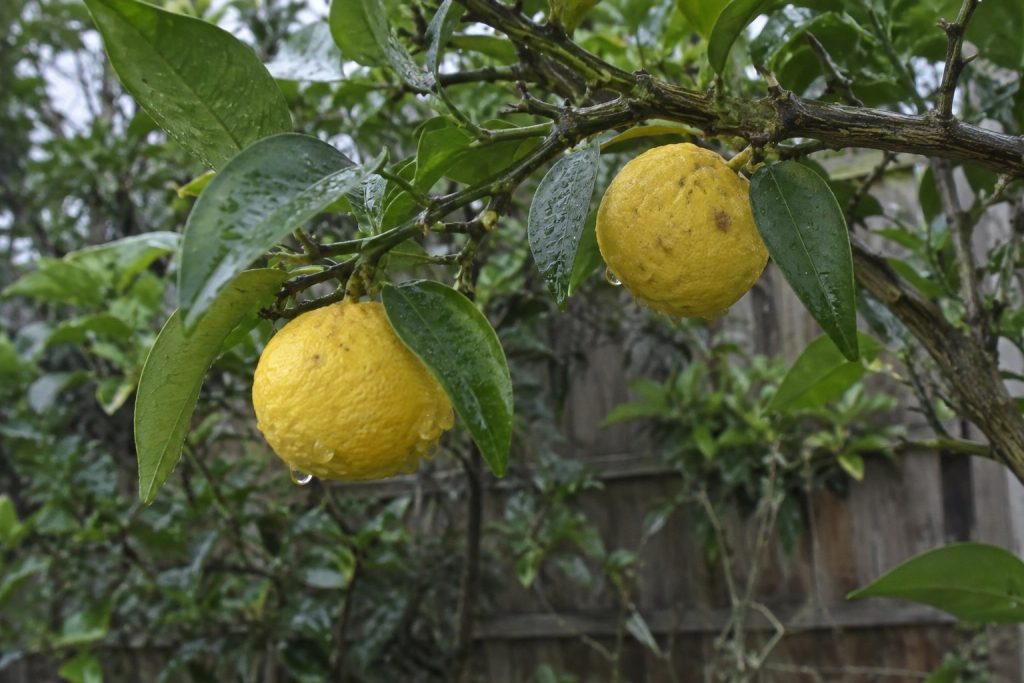
The fruits, medium-sized (3 to 3.5 oz, or 80 to 100 g, larger and more fleshy than the standard Yuzu), have lemon-yellow skin that is slightly bumpy at maturity, thin and very fragrant. The pale yellow flesh stands out for its generous juice, significantly more than the classic Yuzu, and its sharp acidity enhanced by floral, grapefruit, and mandarin notes characteristic of the species Citrus junos. The absence of seeds is a decisive advantage for culinary processing.Flavor and ornamental interest
The Tada Nishiki Yuzu is par excellence the processor's Yuzu: easily extracted juice, abundant zest, clear marmalades and syrups, yuzu-shu type liqueurs without seed bitterness, and exceptional homemade ponzu sauces. In the kitchen, its juice and zest flavor sashimi, sauces, fine pastries (yuzu curd, macarons, crèmes brûlées), and frozen desserts. As an ornamental, the tree keeps the landscape interest of the classic Yuzu, with a silvery silhouette, fragrant blossom, and bright yellow fruits hanging all winter, plus more regular productivity, making it a choice subject for a hardy citrus orchard with a strong culinary bent.
Back to the collection
Updated: