Cold hardiness
10°F (−12°C)
Identity
OriginChina
Genetic originHybrid Citrus ichangensis × Citrus maxima
USDA zone8a
Cold hardiness10°F (−12°C)
Fruit cold hardiness25°F (−4°C)
GrowthVigorous
Height13 ft (4 m)
HarvestOctober, November, December
SeedsMany
UsesLiqueur, Preserves, Savory cooking
FlavorsSour, Sharp acidity, Highly aromatic
History & Description
Origin
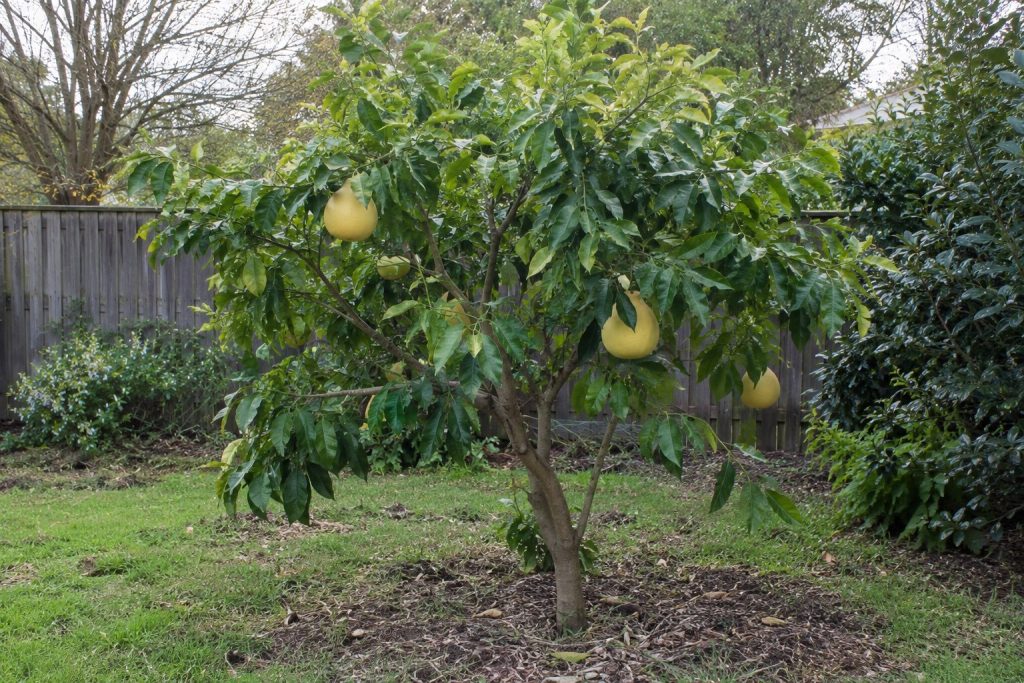
Shenguyen Ichanglemon is an old and fascinating variety from China, where it is known as 'Shangjuan' or 'Xiangyuan'. It is a hardy citrus that bears witness to the genetic diversity of Asia’s mountain regions, often grown in collection gardens for its cold resistance.Tree description
This tree stands out for its exceptional vigor and its large, highly ornamental leaves, lance-shaped and winged, typical of papeda hybrids. Its habit is upright and it can reach an impressive spread, giving the garden structure.Fruit quality
The fruit looks like a large lemon or a pale yellow grapefruit, with thick, bumpy skin. It is rich in essential oils and gives off a powerful fragrance as soon as it is rubbed.Flavor and ornamental interest
In the kitchen, it is an excellent hardy substitute for lemon. Although not very juicy, its juice is sour and its zest is very aromatic, perfect for cooking and pastry. It is a top-choice ornamental tree for cold zones.
Back to the collection
Updated: