Variety profile

Sweet Yuzu N30

(Citrus junos 'Yuko' (N30))

Documented by Léo — grown in the ground, USDA zone 8b

Sweet Yuzu N30 (Citrus junos 'Yuko' N30) is a Franco-Japanese selection of sweet yuzu, a less acidic and sweeter variant than classic yuzu, suited to fresh eating. Its hardiness reaches 10°F (−12°C) on the tree, making it suitable for in-ground growing in USDA zone 8a. The tree reaches 10 to 13 ft (3 to 4 m) with a rounded, spreading habit, aromatic evergreen foliage, and very fragrant white flowers. Its golden yellow, medium-to-large fruits, with thick, bumpy skin, ripen in October to November and offer a juice less acidic than standard yuzu, rounder on the palate, with the typical complex aromas blending mandarin, grapefruit, and orange blossom. Excellent fresh for enthusiasts, as juice, as sorbet, and in pastry where the aromatic signature of yuzu is wanted without its sharp acidity. Graft onto Poncirus trifoliata.

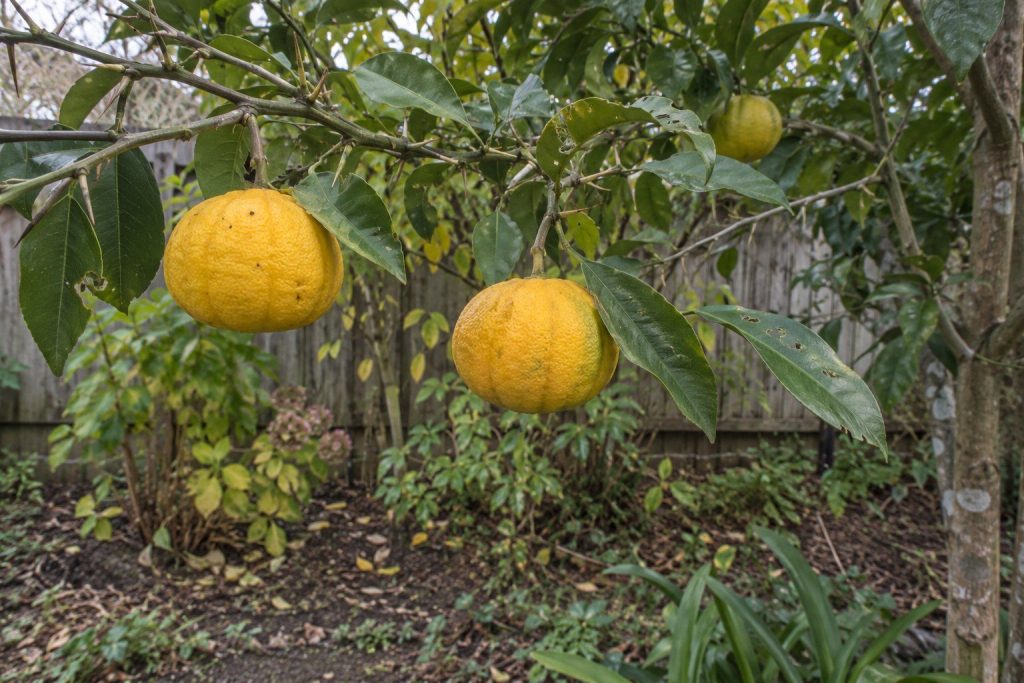
Rough yellow citrus fruit hanging on garden branches
AI-generated illustration. It does not authenticate cultivar identity or cold tolerance.
Cold hardiness 10°F (−12°C)

Identity

OriginJapan
Genetic originMutation or natural hybrid (Yuzu × Mandarin)
USDA zone
Cold hardiness10°F (−12°C)
Fruit cold hardiness25°F (−4°C)
GrowthModerate
Height10 ft (3 m)
HarvestNovember, December
SeedsMany
FlavorsSweet, Acidless, Highly aromatic

History & Description

Origin

Sweet yuzu, often linked to the 'Yuko' variety in Japan, is a rarity. The N30 strain corresponds to a precise clonal selection (possibly from collections such as the SRA) identified for the sweetness of its flesh, in contrast to the legendary acidity of yuzu.

Tree description

The tree is of medium vigor, with a rounded, compact habit. It is a little less thorny than wild yuzu and keeps excellent cold tolerance.

Fruit quality

On the outside, it looks like a classic yuzu: round, with yellow, lumpy skin. However, at maturity the rind turns toward orange and the flesh becomes tender.

Flavor and ornamental interest

It is a puzzling and delicious experience. The flesh is mild and sweet, practically without acidity, while keeping the captivating fragrance of yuzu. It is eaten like an aromatic mandarin.
Back to the collection

Updated:

"Growing rare citrus means accepting that nature has the last word, while whispering in its ear how to survive the winter."

Scroll to Top