Identity
History & Description
Origin
The Hernandina Clementine is a late Spanish variety discovered in the 1960s in Valencia, Spain, as a spontaneous mutation on a Fine Clementine tree (Citrus clementina 'Fina'), the reference clementine of the Valencian Community. Selected for its exceptionally late maturity, up to eight weeks after standard clementines, the Hernandina has become, within a few decades, one of the most widely grown clementines in the large Spanish and Moroccan Mediterranean citrus basins, valuably used to take over from early varieties such as the Nules or the Caffin. It thus completes the citrus calendar by producing fruits of remarkable flavor quality throughout the winter and into early spring. Its name "Hernandina" pays tribute to the Valencian farming family that identified and propagated the mutation. Sold today by many specialized French nurseries (Agrumes.pro, Pépinière des Fruitiers, Ripaud, etc.), it is one of the few authentically Spanish choices for collectors of hardy citrus in France.Tree description
The tree forms a clementine tree of 8 to 10 ft (2.5 to 3 m) at maturity, with a classic rounded habit and evergreen foliage of a rich green. Its growth is moderate and steady, and the tree is very productive from its fourth year on Poncirus trifoliata or FA5 rootstock. The fragrant white spring blossom is abundant. Its hardiness, documented between 18 and 16°F (−8 to −9°C) depending on rootstock, places it in zone 8b. Since the fruits stay on the tree for a long time, a well-sheltered position should be preferred so that late frosts do not damage the crop while it ripens.Fruit quality
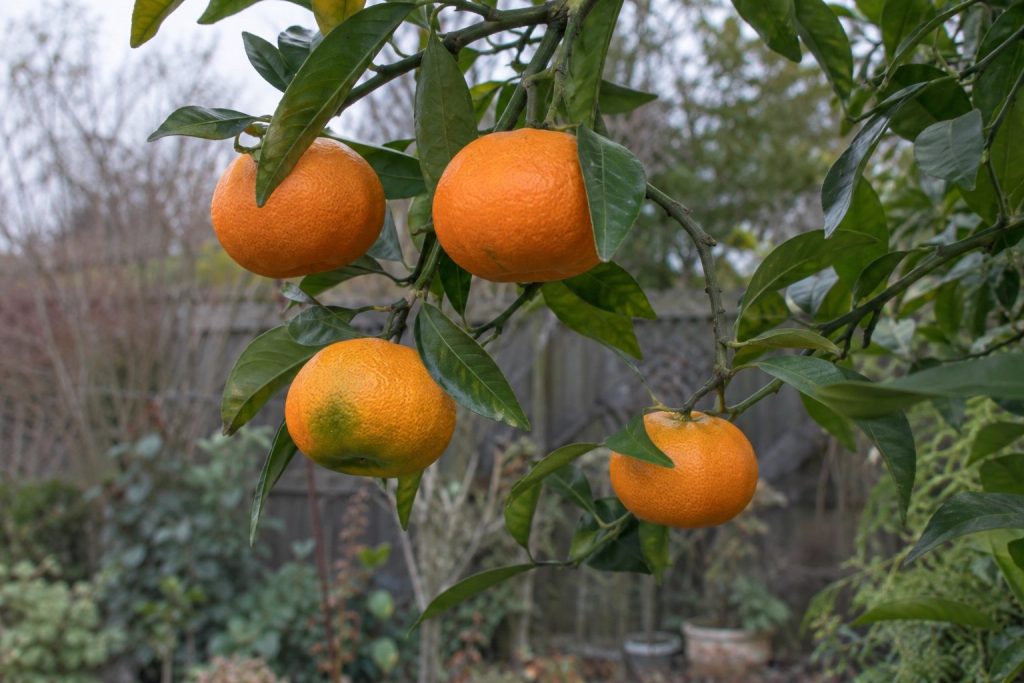
The fruits, medium-sized, have thin skin of a deep orange that comes away relatively easily. The flesh is extremely juicy, deep orange, and almost entirely free of seeds, with a finely tart and frankly sweet flavor that improves over the long ripening period on the tree. The late harvest (January to March) allows aromatic concentrations higher than standard clementines.Flavor and ornamental interest
Eaten fresh in late winter, the Hernandina Clementine fills a valuable calendar gap between the early clementines (September to December) and the spring oranges (March to April). Its abundant, fragrant juice suits morning pressed juices, cocktails, and marmalades. As an ornamental, the Hernandina offers the unique interest of carrying its late fruits through the whole of late winter, a spectacular citrus sight in March when the first buds appear at the same time, creating an effect of renewal that is particularly ornamental in a hardy-citrus garden.Updated:
What matters when choosing
Key points about Hernandina Clementine
Hernandina is a late-ripening mutation of Fina clementine, useful for extending the season with juicy, generally seedless fruit. The peel colors late, and fruit may granulate or lose quality if left on the tree too long.
Why choose it
- Extends the clementine season.
- Juicy fruit of good quality.
- Generally seedless without cross-pollination.
Its limits
- Late external coloring despite internal ripeness.
- Alternate bearing is possible.
- Risk of granulation and declining quality with late harvesting.
Practical notes
- Origin
- A mutation of Fina clementine
- Type
- Late clementine
- Use
- Fresh fruit
Cold-hardiness reference: about 16°F (−9°C)
Its later harvest leaves fruit exposed to freezes for longer; the wood is not considered hardier than that of other clementines.
Sources and method
The temperatures given are reference points for a mature tree with hardened wood. The table and callout repeat the same value as the profile. They guarantee neither freedom from damage nor a harvest after a freezing event.
Data reviewed on September 21, 2026.
- Givaudan Citrus Variety Collection — UCR — Origin, season, fruit, alternate bearing, and granulation
- IVIA — harvest calendar — Late position in the harvest season
- BOE — Spanish varietal register — Varietal recognition and name