Variety profile

Clemenules Clementine

Documented by Léo — grown in the ground, USDA zone 8b

History & Description Origin The Clemenules clementine, also known as Nules, arose from a spontaneous natural mutation of the Fina […]

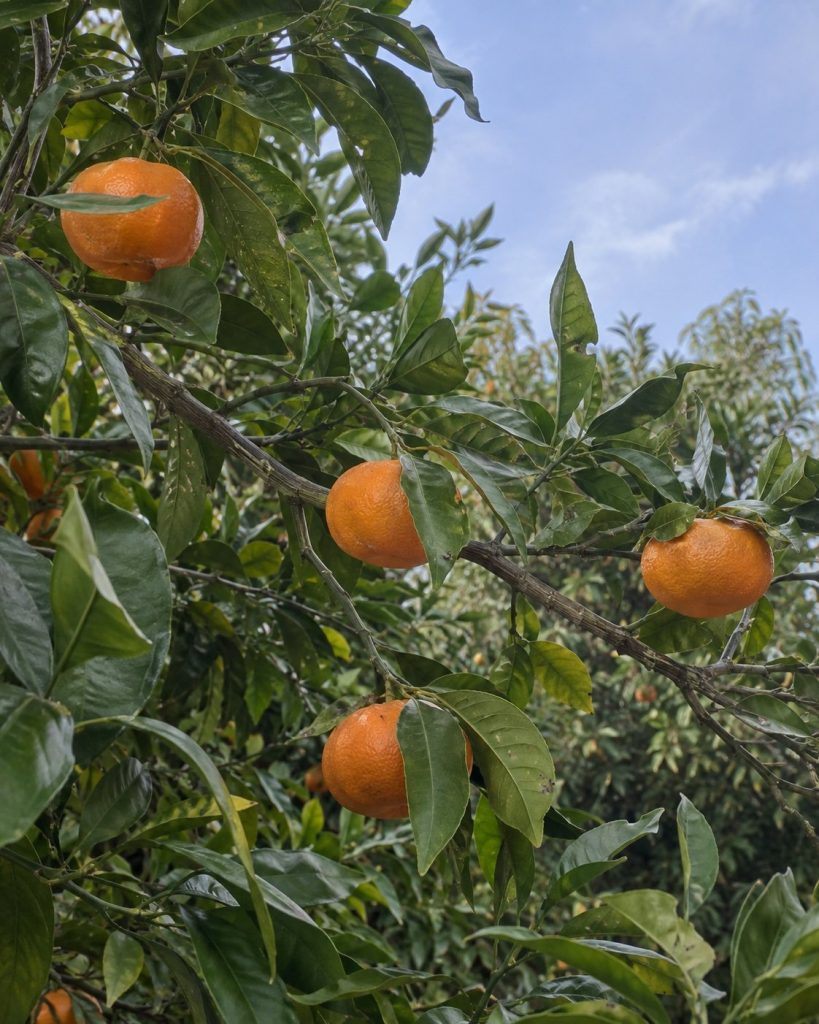
Orange citrus fruit hanging from garden branches
AI-generated illustration. It does not authenticate cultivar identity or cold tolerance.
Cold hardiness 14°F (−10°C)

Identity

USDA zone
Cold hardiness14°F (−10°C)
HarvestJanuary, November, December

History & Description

History & DescriptionOriginThe Clemenules clementine, also known as Nules, arose from a spontaneous natural mutation of the Fina clementine, discovered in 1953 in the municipality of Nules, in Castellón, Spain. Its genetic history goes back to colonial Algeria: the original clementine probably resulted from a natural cross between a mandarin and a sweet orange, observed by Father Clément Rodier in the early 20th century. Clemenules is today one of the most widely grown clementine varieties in the world, dominating the Spanish, Moroccan, and French markets. Earlier and more productive than its parent variety, it has established itself as the commercial benchmark for the clementine.Tree descriptionThe tree has a dense, rounded habit reaching 10 to 13 ft (3 to 4 m) with moderate growth. Its dark green evergreen foliage is decorative all year. In spring, it covers itself in strongly fragrant white flowers with five petals, rich in nectar.The fruitThe medium to large fruits have thin, smooth, bright orange skin that is easy to peel. The flesh is entirely seedless, very juicy, sweet with a slight touch of acidity and an intense aroma. The harvest runs from November to January.Flavor and ornamental interestClemenules is above all a dessert and fresh-eating citrus. Its lack of seeds and easily peeled skin make it the ideal fruit for children and for food service. It lends itself to jam, juices, and sweet preparations. Grafted onto a hardy rootstock, it can be grown in USDA zones 8a and beyond.
Back to the collection

Updated:

What matters when choosing

Key points about Clemenules Clementine

Clemenules, or Nules, is a benchmark clementine for fresh eating: juicy, easy to peel, and normally seedless without cross-pollination. It needs timely harvesting because the peel becomes puffy and separates if fruit stays on the tree too long.

Why choose it

  • Good flavor and abundant juice.
  • Easy peeling and generally seedless fruit.
  • Consistent size suited to fresh eating.

Its limits

  • Peel may become puffy when overripe.
  • Seeds are possible when other pollinating citrus are nearby.
  • Moderate hardiness for a clementine.

Practical notes

Synonym
Nules
Origin
Mutation of Fina, Spain
Uses
Fresh fruit and juice

Cold-hardiness reference: about 14°F (−10°C)

This threshold is a protection reference for a mature, sheltered tree; Clemenules does not have the cold tolerance of a satsuma.

Sources and method

The temperatures given are reference points for a mature tree with hardened wood. The table and callout repeat the same value as the profile. They guarantee neither freedom from damage nor a harvest after a freezing event.

Data reviewed on September 21, 2026.

"Growing rare citrus means accepting that nature has the last word, while whispering in its ear how to survive the winter."

Scroll to Top