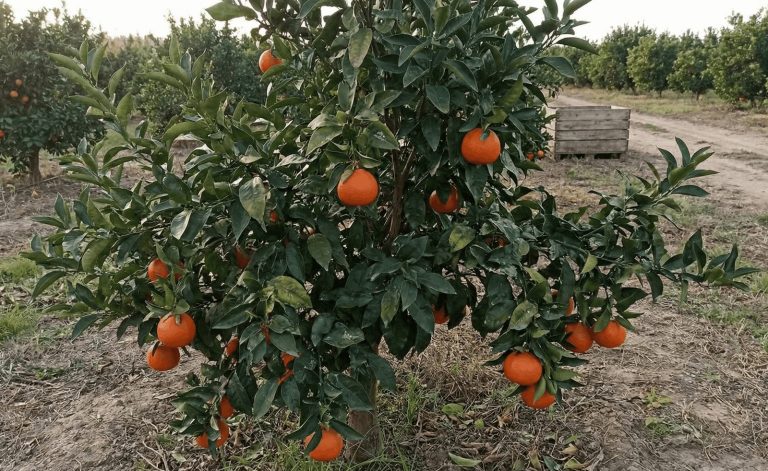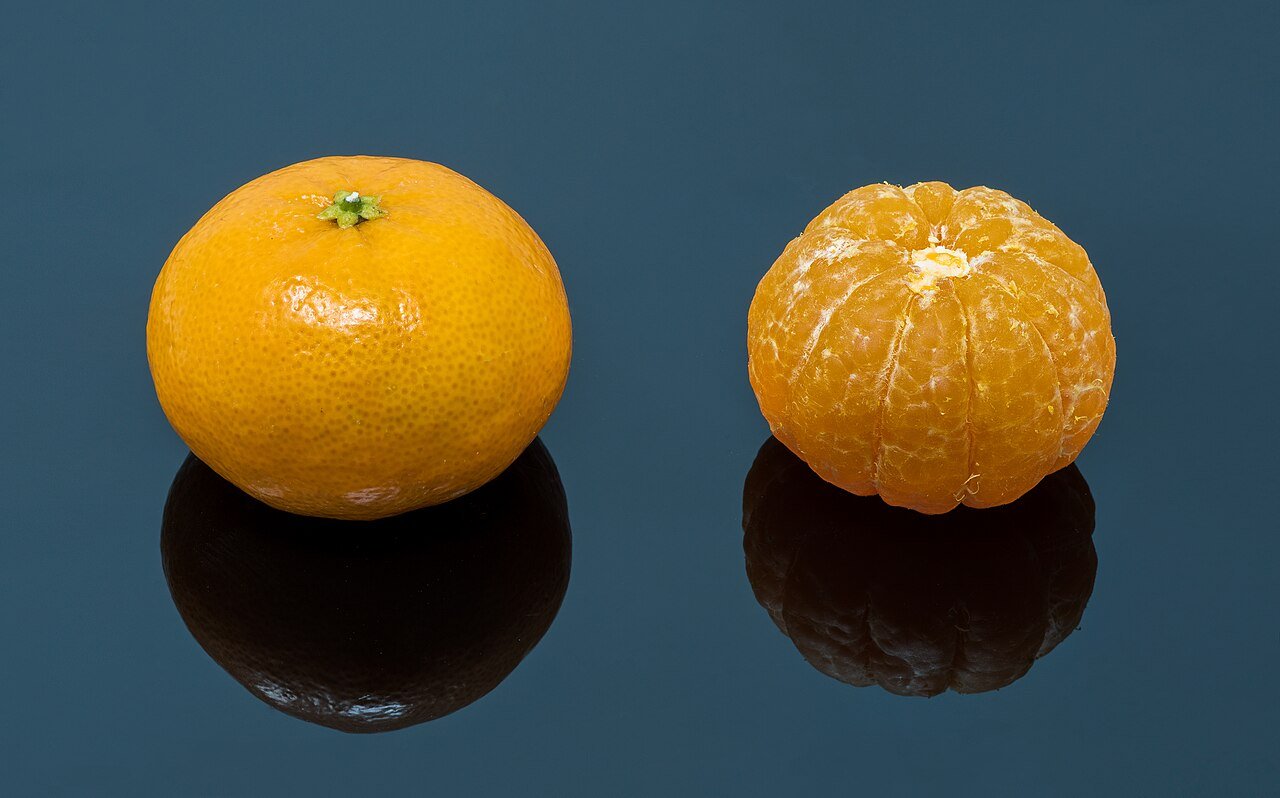
A clementine tree in a container or in the ground?
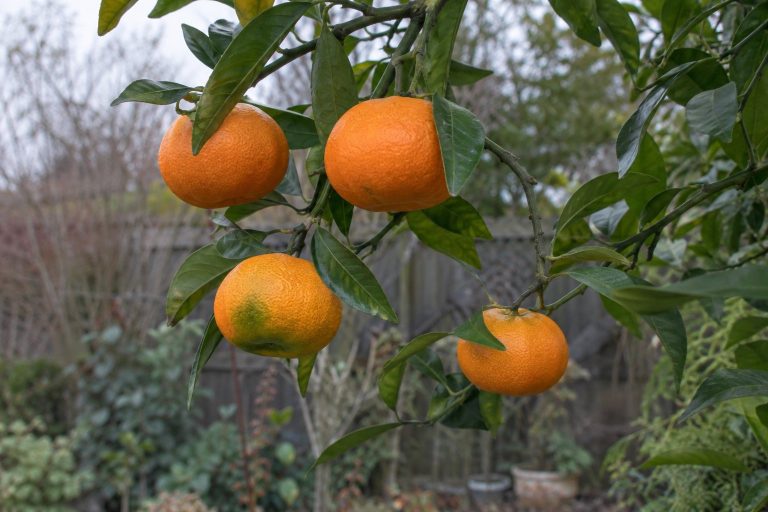
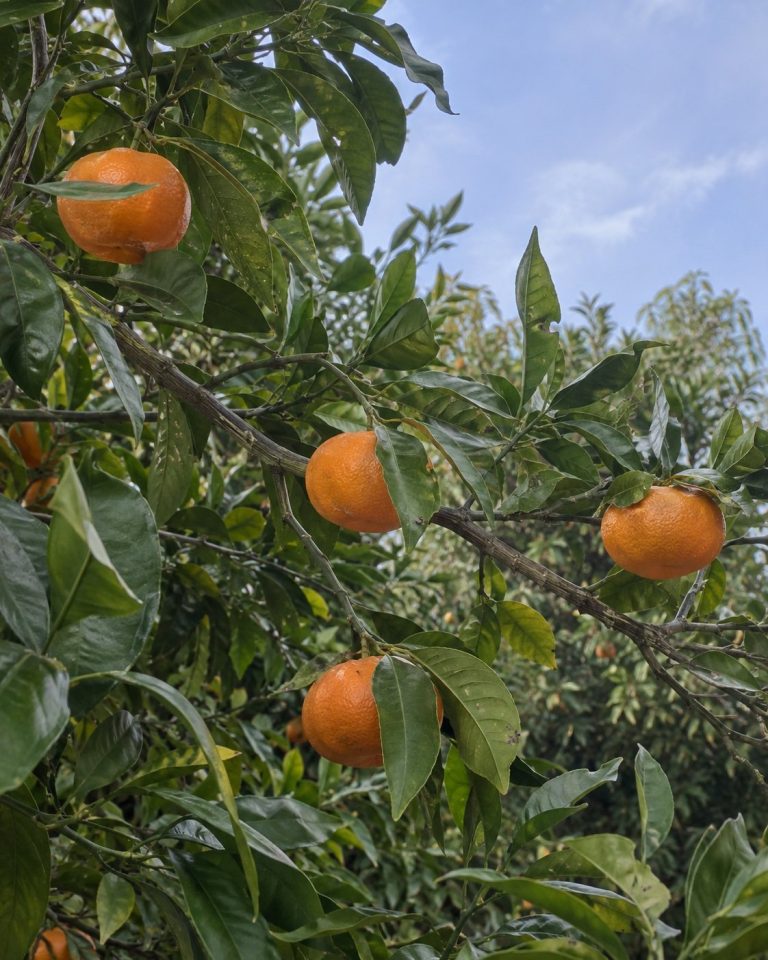
A container makes it possible to grow a clementine tree when shelter is necessary during winter. Choose a bright location and a container that drains water. For an in-ground tree, the question is not simply keeping the tree alive: its fruit must also be able to finish ripening in your garden.
Corsica offers a useful reference context, but not a climate model applicable to all of France. INRAE describes its eastern plain as a cool Mediterranean environment with little exposure to freezing, favorable for clementine quality. A continental garden or a terrace requires a different overwintering arrangement.
References: INRAE — Citrus of the northern Mediterranean · Clemson Cooperative Extension — Container Citrus Production
Caring for a clementine tree and understanding its fruiting
Water consistently during growth without leaving the roots standing in water. Under shelter, adjust watering to the substrate’s actual moisture: the root ball should neither dry out completely nor remain saturated. Keep pruning light, focusing on crowding and rootstock shoots.
Fruit quantity also depends on the selection. In its historical observations of Caffin, UCR notes a low ability to set fruit without fertilization; this finding does not become a requirement for a gardener to apply a treatment. If the tree flowers but sets little fruit, record the variety and growing conditions before drawing conclusions.
References: UCR — Caffin clementine, CRC 3987 · UF/IFAS — Citrus Culture in the Home Landscape · Clemson Cooperative Extension — Container Citrus Production
Cold: protecting the tree and planning the end of harvest
A clementine that must stay on the tree late remains exposed to winter hazards. Hernandina illustrates this constraint: the references compiled by UCR recommend its late harvest in areas with low freeze risk. Slow coloration is not a cold hardiness trait.
Choose the picking date based on flavor and weather, rather than solely on the desire for a perfectly orange peel. For a young container plant, shelter should be ready before the cold spell. Temperatures in the table concern an established tree; they do not guarantee that fruit will withstand the same freeze.
References: UCR — Hernandina, CRC 4185 · Clemson Cooperative Extension — Container Citrus Production
Sweet or tangy clementines: how should you judge ripeness?
A good clementine is judged by its balance of sugar, acidity and aroma. INRAE emphasizes the role of acidity in fruit quality. Taste a few fruits regularly: seeking only maximum sweetness can mean missing the moment when flavor is most interesting.
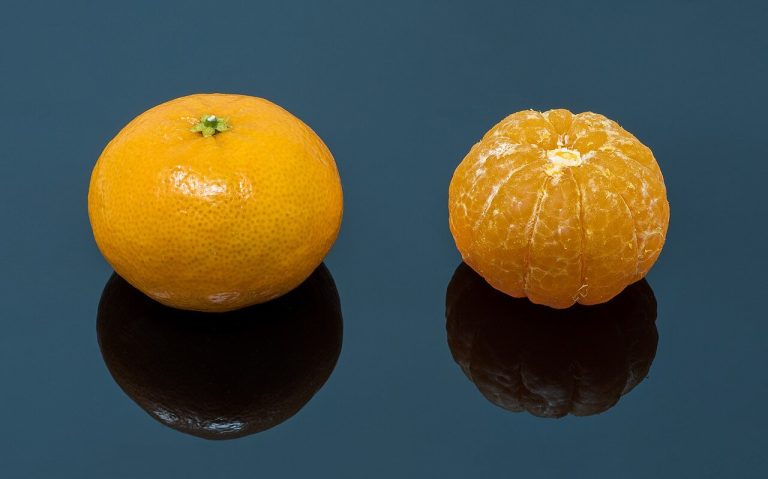
In Hernandina, the pulp may be ripe while the end of the fruit remains green. In Clemenules, leaving fruit on the tree too long can cause peel puffing. A staggered harvest should therefore follow actual fruit quality, rather than simply its continued presence on the branches.
References: UCR — Nules/Clemenules, CRC 4056 · UCR — Hernandina, CRC 4185 · INRAE — Precious clementines
Why can a clementine contain seeds?
In ordinary clementines, seedlessness is associated with the absence of fertilization by compatible outside pollen. The fruit can develop without seeds: this is parthenocarpy. Pollen brought from other citrus can result in seeds; their appearance therefore does not necessarily indicate a misidentified variety.
Clementine trees are distinct from satsumas, even though both produce small, easy-to-eat fruit. Seed count depends on the plant material and neighboring trees. Before planting a second citrus to improve harvests, clarify your priority: fruit quantity, diversity or fewer seeds.
References: UCR — Caffin clementine, CRC 3987 · INRAE — Precious clementines · INRAE — Citrus of the northern Mediterranean
Frequently asked questions about clementine trees
What is the difference between a clementine and a mandarin?
Clementine comes from a cross between mandarin and sweet orange. It belongs to the horticultural group of small citrus, but does not refer to every mandarin. Satsumas form yet another group.
Is a clementine with seeds a mandarin?
Not necessarily. A clementine can form seeds when compatible pollen from another citrus fertilizes its flowers. The presence of seeds alone is not sufficient to change the fruit’s identification.
Should two clementine trees be planted together?
This is not a general rule. Fruit formation without fertilization depends on the plant material and conditions. Another clementine tree does not automatically solve poor fruiting; learn about the specific selection.
Can a green clementine already be ripe?
Yes. Hernandina is a documented example of a difference between internal ripeness and peel coloration. Taste a fruit before extending the harvest solely to obtain an even orange color.
Which clementine tree should I compare for an early harvest?
UCR describes Caffin as early. This quality must be assessed against local climate and its fruiting: earliness alone does not identify the best variety for every garden.
Are Clemenules and Nules two different clementine trees?
These two names refer to the same variety in the UCR collection. A label may also say Clementina de Nules. Still, check the origin and identification of the offered plant before comparing options.
Sources and method
A documentary synthesis from the encyclopedia, published by Léo, an amateur gardener on the Arcachon Basin, in USDA zone 8b. INRAE research and UCR collections shed light on pollination, seeds and the difference between color and ripeness. Observations must be placed in their original climate. The cited sources are documentary; this page does not report a personal freezing trial.
- UCR — Caffin clementine, CRC 3987
Earliness and historical observations on fruit formation; no treatment recommendation transferred.
- UCR — Nules/Clemenules, CRC 4056
Synonyms, fruit quality and peel puffing when fruit is left on the tree for an extended time.
- UCR — Hernandina, CRC 4185
Color-ripeness difference, late harvest and freeze exposure; Spanish and Californian calendars are not transferred.
- INRAE — Precious clementines
Mandarin × sweet orange origin and balance of acidity, sugar and aromas.
- INRAE — Citrus of the northern Mediterranean
Clementine chapter: Corsican context, self-incompatibility and cross-fertilization as the cause of seeds.
- UF/IFAS — Citrus Culture in the Home Landscape
Limited pruning and removal of rootstock shoots.
- Clemson Cooperative Extension — Container Citrus Production
Movable container, light, drainage and watering according to the root ball; no calendars, temperatures or general pollination advice transferred.