Variety profile

Orogros Clementine

(Citrus clementina 'Orogros')

Documented by Léo — grown in the ground, USDA zone 8b

Orogros clementine (Citrus clementina 'Orogros') is a Corsican clementine selection produced in Corsica and Spain, recognized for its above-average size and pronounced sweetness. Its hardiness reaches 18°F (−8°C) on the tree, making it suitable for in-ground growing in USDA zones 8b and 9a. The tree reaches 7 to 13 ft (2 to 4 m) with a spreading, weeping habit, evergreen foliage, and abundant fragrant white flowers. Its bright orange, large fruit, with thin, easy-to-peel skin, ripen in September-October in a Mediterranean climate and offer juicy, very sweet, low-acid, seedless flesh. One of the most appreciated clementines for fresh eating, perfect for children and for dessert, as well as for juice and sorbet. Graft onto Poncirus trifoliata for in-ground growing in France. Plant against a south-facing wall, in well-drained soil, with generous winter mulch. Harvest before the first severe frosts.

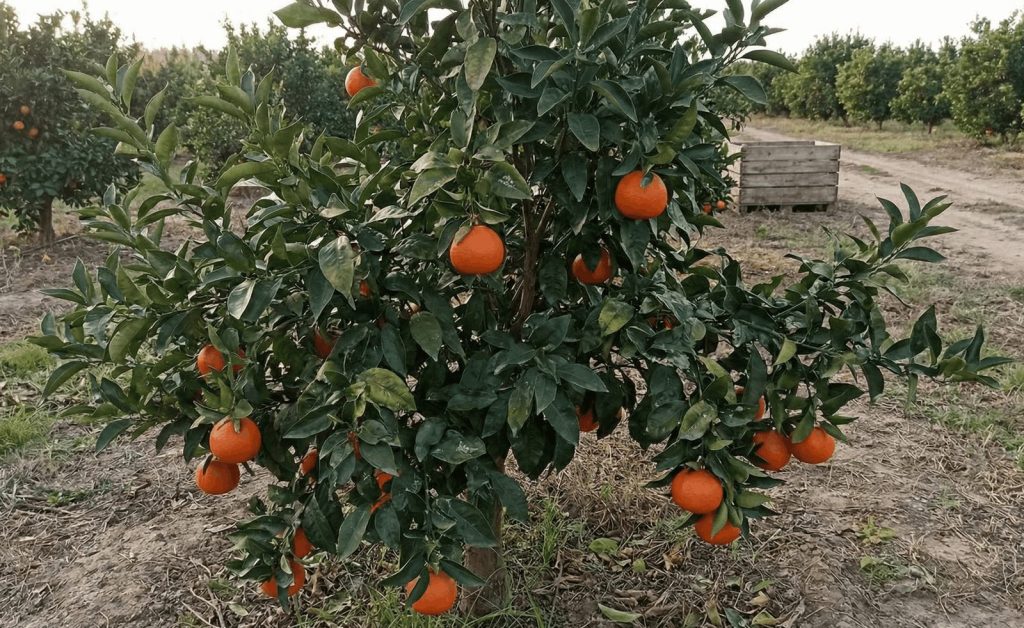
A compact citrus tree bearing orange fruit in a garden
AI-generated illustration. It does not authenticate cultivar identity or cold tolerance.
Cold hardiness 18°F (−8°C)

Identity

OriginSpain
Genetic originMutation of Oronules
USDA zone
Cold hardiness18°F (−8°C)
Fruit cold hardiness27°F (−3°C)
GrowthModerate
Height10 ft (3 m)
HarvestSeptember, October
SeedsSeedless
FlavorsSweet

History & Description

Origin

Orogros is a relatively recent Spanish creation, from a natural mutation of the 'Oronules' variety, itself derived from 'Fina'. Discovered in the late 1990s in the Valencia region, it was selected by nurserymen to meet a crucial commercial need: a clementine of high flavor quality able to ripen from the end of summer.

Tree description

It is a tree of moderate vigor but quick to come into fruit, with a regular habit. It is particularly suited to growing areas such as zone 9a, where early frosts are rare.

Fruit quality

This clementine ripens from September, taking on a very attractive intense orange color. It is very easy to peel and contains juicy pulp.

Flavor and ornamental interest

It lets you enjoy high-quality, sweet, balanced clementines well before the classic season. It is an indispensable variety for enthusiasts who want to spread out their harvests.
Back to the collection

Updated:

"Growing rare citrus means accepting that nature has the last word, while whispering in its ear how to survive the winter."

Scroll to Top