Cold hardiness
16°F (−9°C)
Identity
OriginEx-USSR (reported origin), distributed via New Zealand
Genetic originParents unknown; satsuma preserved in a collection
USDA zone8b
Cold hardiness16°F (−9°C)
Height7 ft (2 m)
HarvestOctober, November, December
SeedsSeedless
UsesFresh eating, Juice
FlavorsSweet, Tart
History & Description
Origin
Shirokolistvennyi is a satsuma preserved at Riverside under the identifiers CRC 4071 and VI 602. The university collection reports an ex-USSR origin, without specifying a place of creation. The budwood was passed on by A. Harty from New Zealand, a step in the distribution of the material. Its parents are unknown. There is therefore no evidence here that would allow it to be attributed to a particular hybridization or frost-selection program. The collection identifiers nevertheless provide a more precise individualization than the mere geographic name of a satsuma.Tree description
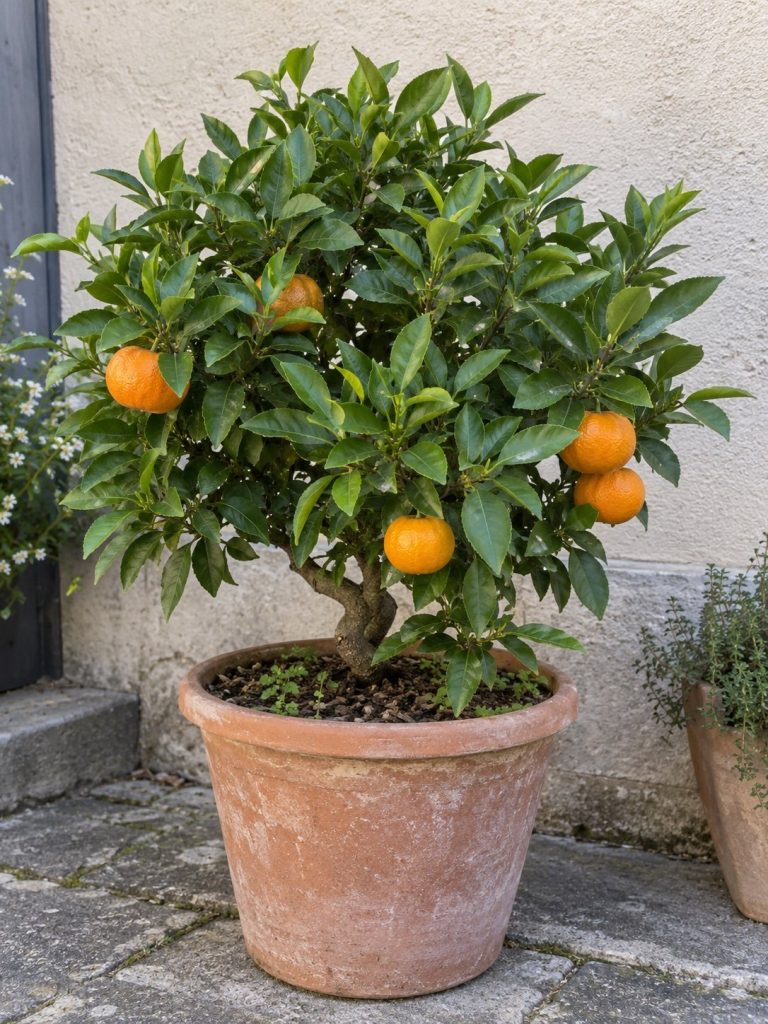
Citrus ID describes a compact, dense, non-weeping crown, with simple leaves and no persistent thorns. This silhouette distinguishes it from a systematically weeping representation of satsumas. One Green World reports 3 to 5 ft (0.9 to 1.5 m) for its plants on Flying Dragon: the 7 ft (2 m) height rounds up the upper bound of this dwarf material, without generalizing it to all rootstocks. The same grower expressly classifies this selection in USDA 8b and 9; the entry retains 8b as the start of the range indicated. The 16°F (−9°C) reference cautiously rounds its announced figure of about 15°F, which the seller specifies has not been verified in recent winters.Fruit quality
The botanical reference describes fruits wider than tall, with yellow-orange to orange-red rind, slightly rough in texture, and orange pulp. Their profile combines sugar and acidity. One Green World presents them as sweet and seedless, ripening in late fall. The Riverside collection places the period from October to December in California; Gendep repeats this range, which remains to be verified in the French garden. No consistent weight is retained and no frost threshold specific to the fruit has been documented.Flavor and ornamental interest
Shirokolistvennyi interests a French collection through its well-identified material and compact silhouette, particularly on Flying Dragon. The segments are intended for fresh eating; the juice can also be tasted to compare acidity between pickings. Its dense habit and the natural color of the fruits suit a terrace or small-garden scene, without assuming it stays dwarf on every graft. The zone announced by the grower is a growing indication, distinct from a guaranteed survival temperature. The duration of the freeze, acclimation, and the age of the tree must remain taken into account. Fruits left on the branches call for their own monitoring, even when the wood comes through a cold spell without harm.
Back to the collection
Updated: