Cold hardiness
1°F (−17°C)
Identity
OriginUnited States (Florida)
Genetic originHybrid of Citrus sinensis 'Ruby' x Poncirus trifoliata
Cold hardiness1°F (−17°C)
Fruit cold hardiness23°F (−5°C)
GrowthVigorous
Height10 ft (3 m)
HarvestOctober, November
SeedsFew
UsesCandied fruit, Juice, Liqueur, Preserves
FlavorsSour, Slight bitterness, Tart
History & Description
Origin
The Rusk citrange (x Citroncirus 'Rusk') is one of the oldest citranges in the world, created in 1897 by the American breeder Walter T. Swingle at the USDA, in response to a series of catastrophic winters that had devastated Florida's citrus plantings in 1894-1895. Born from a cross between the Ruby orange and Poncirus trifoliata, it was named in honor of J. M. Rusk, the first U.S. Secretary of Agriculture. Officially described and released in 1905, it entered the official collection of the University of California, Riverside through Swingle himself in 1924. The Rusk represents one of the first successful attempts to introduce extreme hardiness into edible-fruited citrus, and remains to this day a reference botanical parent of all modern Poncirus hybrids intended for cold climates.Tree description
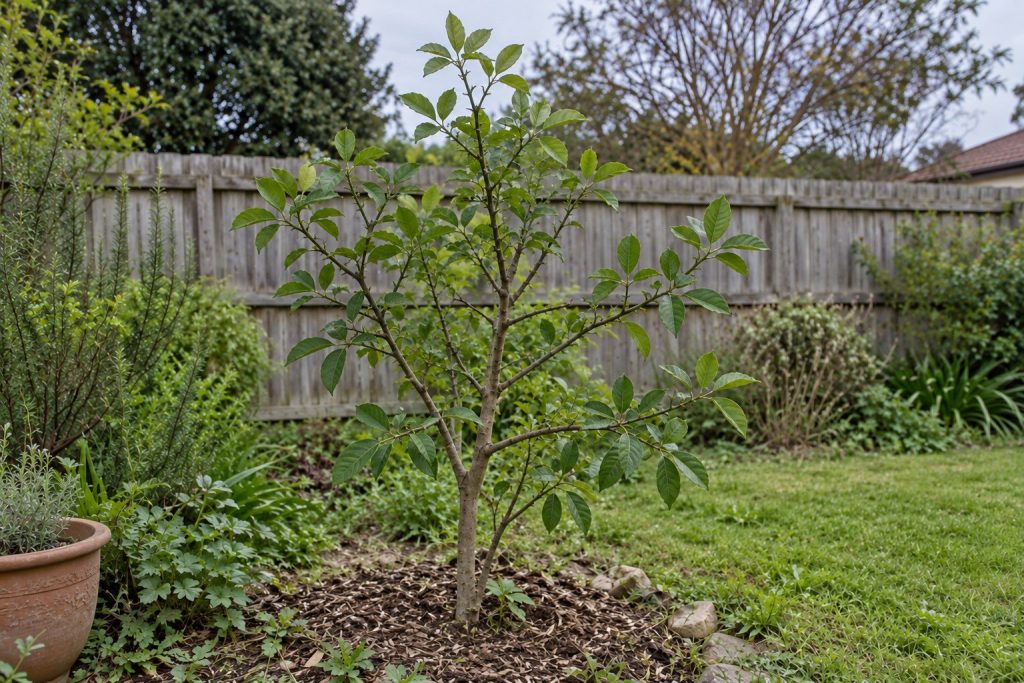
The Rusk citrange forms a vigorous, fast-growing tree reaching 7 to 10 ft (2 to 3 m) at maturity with an upright, productive habit. Its evergreen to semi-deciduous foliage is dense, made of moderately large trifoliate leaves, broader than those of pure Poncirus. The spring bloom is white and fragrant, and the hardiness of the adult tree is exceptional: it withstands winters at 1°F (−17°C) without damage (USDA zone 7), which makes it suitable for in-ground growing up to the French continental climate.Fruit quality
The Rusk fruit is rather small, flattened to spherical, with a smooth, dark orange surface with reddish highlights inherited from the Ruby parent. The flesh is orange-yellow, very juicy, with a tart, slightly bitter taste and distinctly less unpleasant than other citranges thanks to its low poncirin content. It contains few seeds and comes closer to edibility than most other historic Poncirus hybrids, without however rivaling a sweet orange.Flavor and ornamental interest
The Rusk citrange is mainly valued for its juice, which makes a tart, slightly bitter drink comparable to a lemon-orange blend. It is perfectly suited to homemade jams, jellies, marmalades, and liqueurs, as well as candied or dried fruit. Its extreme hardiness also makes it a very interesting ornamental for gardeners in zones 7 and 7b where few citrus can survive. On Poncirus trifoliata, it becomes one of the rare edible hybrids able to produce usable fruit in cool climates without heavy protection.
Back to the collection
Updated: