Cold hardiness
7°F (−14°C)
Identity
OriginFrance (selection by Sébastien B., Pépinière du Bosc, Japanese parents)
Genetic originHybrid of Kinkoji Bloomsweet (pummelo × Kunenbo) × Satsuma (Citrus unshiu)
USDA zone7b
Cold hardiness7°F (−14°C)
Fruit cold hardiness25°F (−4°C)
GrowthVigorous
Height16 ft (5 m)
HarvestJanuary, February, March, December
SeedsFew
UsesFresh eating, Juice
FlavorsSweet, Balanced, Highly aromatic
History & Description
Origin
Kinkonshui is an exceptional hybrid obtained and selected in France by Sébastien B., a nurseryman recognized as one of the leading European references in hardy citrus, associated with Pépinière du Bosc. It results from a complex cross between the Kinkoji Bloomsweet, itself a Japanese hybrid between a pummelo (Citrus maxima) and the old Japanese mandarin Kunenbo (Citrus nobilis), renowned for its exceptional hardiness, and a Satsuma mandarin (Citrus unshiu), one of the most cold-hardy mandarins in the world. This double Japanese ancestry gives Kinkonshui a remarkable genetic lineage, all its parents having been selected over the centuries for their tolerance of the harsh winters of northern Japan and southern China. Since its precise date of origin is not published by Pépinière du Bosc, it is described here as a French selection with Japanese ancestry, propagated discreetly. It is now among the hardiest citrus ever selected in France, combining the vigor of the Bloomsweet, the sweetness of the Satsuma, and a cold resistance reaching 7°F (−14°C). Its absolute rarity makes it a curiosity for the seasoned collector, practically impossible to find outside the Pépinière du Bosc network.Tree description
Kinkonshui forms a very vigorous tree of about 16 ft (5 m) at maturity according to Pépinière du Bosc, with an upright-spreading habit and dense evergreen foliage of a glossy dark green. Growth is fast and sustained, and the tree comes into generous production from its fourth year on Citrumelo C4475 or FA5 rootstock. The spring white blossom is abundant and strongly fragrant. Its exceptional hardiness, documented at 7°F (−14°C) on Poncirus rootstock, makes it one of the few tangor-pummelo hybrids that can be grown in zone 7b without systematic winter protection.Fruit quality
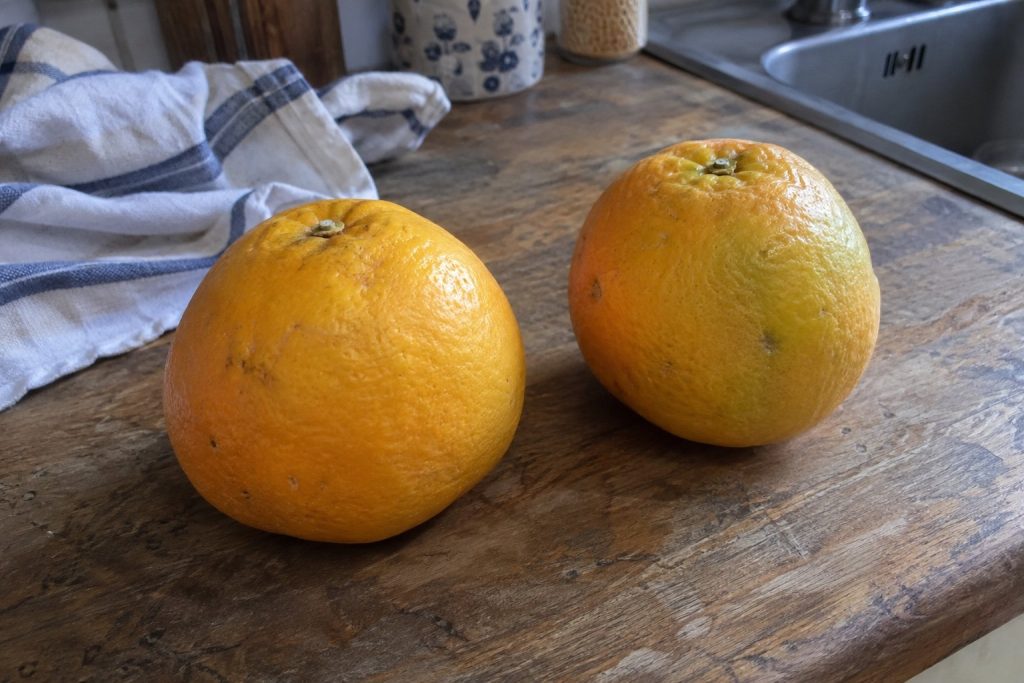
The fruits, rather large (5 to 9 oz, or 150 to 250 g) and visually reminiscent of the Bloomsweet, have thick yellow-orange skin and deep orange flesh with a surprisingly tender, juicy texture, closer to the Satsuma than to the grapefruit. The flavor is a subtle balance between mandarin and grapefruit: sweet, fresh, and without bitterness, with abundant juice. The seeds, few in number (1 to 5 per fruit), are discreet and do not get in the way of eating.Flavor and ornamental interest
Harvested in December, Kinkonshui can be left on the tree until March, a period during which the fruit increases in sweetness and develops more complex aromas. Eaten fresh, it offers a unique experience where the freshness of a sweet grapefruit mingles with the melting texture of a Japanese mandarin, particularly appreciated in winter. Its abundant, fragrant juice is perfect for plain juices or bitterness-free cocktails. As an ornamental, the tree's vigor, fragrant blossom, and large yellow-orange fruits hanging all winter make it a remarkable landscape subject, with a heritage value reinforced by its status as an extremely rare French hybrid with exclusively Japanese ancestry.
Back to the collection
Updated: