Variety profile

Shangsa Mandarin

(Citrus reticulata 'Changsha')

Documented by Léo — grown in the ground, USDA zone 8b

Shangsa mandarin, sometimes spelled Changsha (Citrus reticulata 'Changsha'), is one of the hardiest mandarins in the world, withstanding down to 7°F (−14°C) on the tree depending on the selection. Native to the Hunan region of central China (the city of Changsha gave it its name), it served as the genetic base for many modern hardy hybrids developed in the 20th century (notably Citrandarin US-852 and the 899K Voss mandarin). The vigorous tree reaches 10 to 13 ft (3 to 4 m) with an upright habit and evergreen foliage. Its bright orange, small fruit, 2 to 3 oz (60 to 80 g), with skin that is easy to peel, ripens from November to December and offers juicy flesh with a sweet taste punctuated by delicate floral notes. A few seeds per fruit, more hardy than aromatic. Excellent in fresh juice and cooked. Grafted onto Poncirus trifoliata, it is classified in USDA zone 8a by Biggio and Londeix; growing it in 7b remains an attempt at the limit in a very sheltered situation, notably described by Woodlanders in the United States.

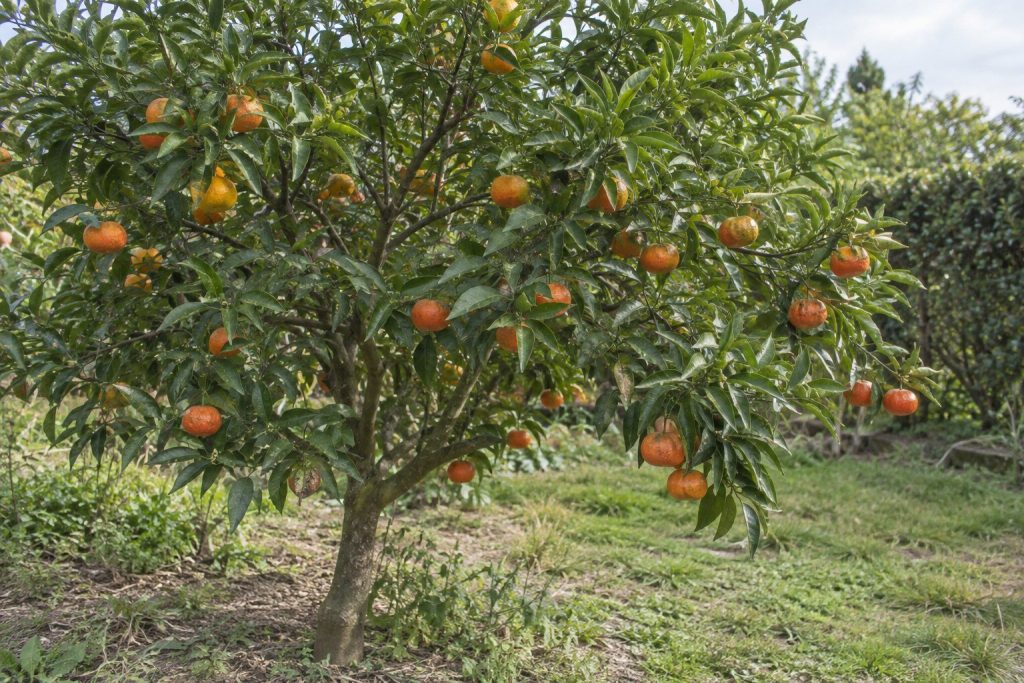
A garden citrus tree bearing orange fruit
AI-generated illustration. It does not authenticate cultivar identity or cold tolerance.
Cold hardiness 7°F (−14°C)

Identity

OriginChina
Genetic originHardy selection of Citrus reticulata
USDA zone
Cold hardiness7°F (−14°C)
Fruit cold hardiness25°F (−4°C)
GrowthVigorous
Height13 ft (4 m)
HarvestOctober, November, December
SeedsMany
FlavorsSweet

History & Description

Origin

Also known as 'Changsha', this mandarin takes its name from its region of origin in China. It is famous in the citrus-growing world for being one of the most cold-resistant mandarins known to date.

Tree description

The tree is very vigorous, ornamental, and productive. It develops beautiful dark green foliage and shows great resilience in the face of climatic hazards.

Fruit quality

It produces medium-sized fruit with a thin, slightly puffy rind (one that separates from the flesh). The skin turns a very attractive reddish orange at maturity.

Flavor and ornamental interest

Although it contains seeds, the flesh is very mild, sweet, and juicy. Its exceptional hardiness makes it a priority choice for gardeners in marginal citrus-growing zones who want edible fruit.
Back to the collection

Updated:

"Growing rare citrus means accepting that nature has the last word, while whispering in its ear how to survive the winter."

Scroll to Top