Cold hardiness
5°F (−15°C)
Identity
OriginUnited States (USDA program)
Genetic originHybrid of sweet orange × Poncirus trifoliata
USDA zone7b
Cold hardiness5°F (−15°C)
Fruit cold hardiness23°F (−5°C)
GrowthVigorous
Height16 ft (5 m)
HarvestSeptember
SeedsModerate
UsesFresh eating, Juice, Preserves
FlavorsSlightly acidic, Highly aromatic, Balanced
History & Description
Origin
The Remo citrange is a first-generation hybrid between a sweet orange tree (Citrus sinensis) and Poncirus trifoliata, obtained through the USDA citrus breeding programs in the United States in the early twentieth century. The citrange family, which includes the Troyer, Carrizo, and Glen varieties (already in our collection), was developed with the aim of creating citrus that combine the appreciable flavor of the orange with the exceptional hardiness of Poncirus, the hardiest wild citrus in the world. The “Remo” selection stands out for its particularly strong hardiness, reaching 5°F (−15°C), which makes it one of the most cold-hardy citranges ever selected. Its trifoliate foliage, a trait inherited from Poncirus, also gives it a very particular ornamental interest.Tree description
The Remo citrange is a large, vigorous, thorny tree, reaching 13 to 16 ft (4 to 5 m) at maturity, with trifoliate foliage that is semi-deciduous in winter depending on climate conditions. Its fine, lance-shaped leaves, unusual in the citrus world, give it a very recognizable silhouette. The spring bloom is spectacular: large, fragrant white flowers, inherited from the orange parent, cover the tree before the leaves appear. Growth is vigorous and steady.Fruit quality
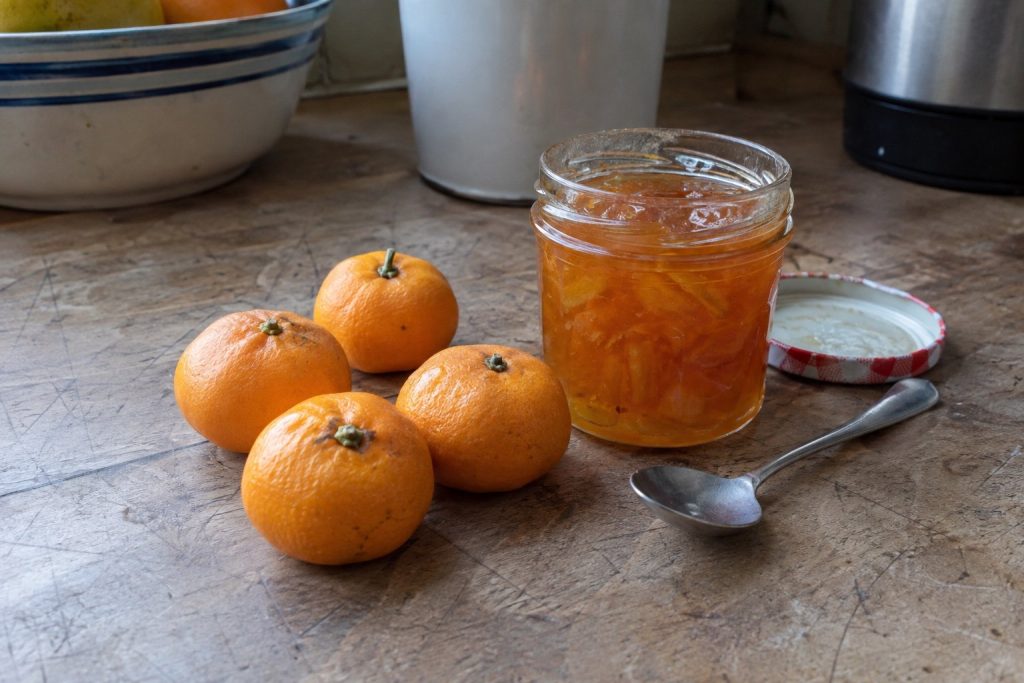
The Remo citrange fruit looks like a small orange-mandarin of 0.7 to 1.1 oz (20 to 30 g), with juice vesicles larger than those of its close relatives. Its zest is highly aromatic, with sweet mandarin notes. The juice, slightly acidic and fragrant, is pleasant, far more approachable than that of pure Poncirus, and makes remarkable jams recalling English orange candies. The harvest season, very early in September, is a valuable advantage in cold regions.Flavor and ornamental interest
The Remo citrange holds a unique place in the hardy citrus collection: it is one of the few truly edible fruit trees that can thrive in zone 7b. Its September harvest, before the first frosts, ensures reliable production even in harsh winters. In jam, its fruit gives highly aromatic preparations with orange-candy notes. Its atypical trifoliate foliage, spectacular bloom, and extraordinary resistance also make it a collector’s subject much prized by dendrologists and hardy citrus enthusiasts.
Back to the collection
Updated: