Variety profile

Morton Asel Citrange

(Citrus sinensis x Poncirus trifoliata 'Morton')

Documented by Léo — grown in the ground, USDA zone 8b

Morton Asel (Citrus sinensis × Poncirus trifoliata 'Morton') is a selection of the classic Morton citrange, from the American USDA program of the early 20th century, one of the first sweet orange × Poncirus hybrids ever created. Its tree hardiness reaches 5°F (−15°C), with a USDA zone 8a climate reference retained in this entry; this classification of the Morton citrange remains to be confirmed specifically for the Asel selection. The vigorous tree reaches 10 to 16 ft (3 to 5 m) with an upright, thorny habit, semi-evergreen trifoliate foliage, and fragrant white spring flowers. Its yellow-orange fruit, 3.5 to 7 oz (100 to 200 g), with thick skin, ripens in winter and offers a sour juice with a sweet-orange fragrance inherited from the main parent, acceptable in juice, marmalade, and as a cocktail base. Tolerates the continental winters of the American Great Plains without flinching. A historic reference among the hardy citrus grown in the United States. Graft onto Poncirus trifoliata.

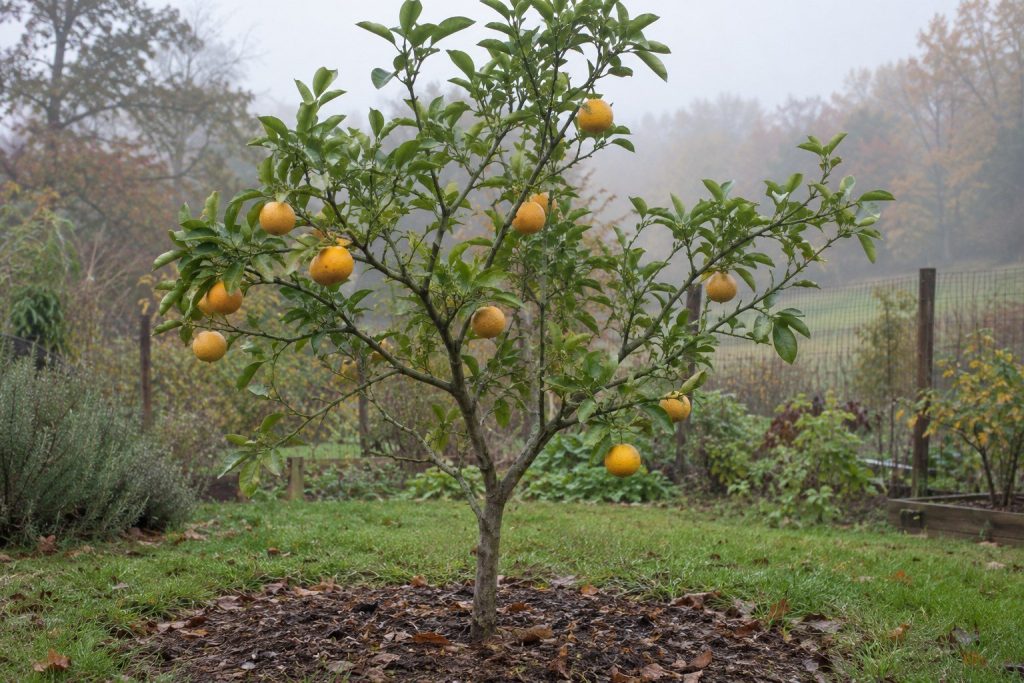
A small citrus tree bearing orange fruit in a misty garden
AI-generated illustration. It does not authenticate cultivar identity or cold tolerance.
Cold hardiness 5°F (−15°C)

Identity

OriginUnited States
Genetic originHybrid Orange × Poncirus
USDA zone
Cold hardiness5°F (−15°C)
Fruit cold hardiness23°F (−5°C)
GrowthVigorous
Height16 ft (5 m)
HarvestJanuary, February, November, December
SeedsMany
FlavorsBitter, Sour then sweet, Sweet

History & Description

Origin

The Morton (often listed as the Morton citrange) is an old hybrid variety developed by the USDA. It is a cross between a sweet orange and Poncirus trifoliata, designed to bring orange flavor to regions with harsh winters.

Tree description

The tree is extremely vigorous and fast-growing, with trifoliate foliage that is deciduous or semi-evergreen depending on the cold. It is formidable in hardiness and very productive once established.

Fruit quality

It produces fruit resembling large oranges (an impressive size for a citrange), with thick, rough skin. Unlike most inedible citranges, the Morton produces fruit that can become sweet at full ripeness.

Flavor and ornamental interest

Although often used as a rootstock, its fruit has culinary interest: sour and bitter in fall (marmalade use), it mellows if left on the tree until spring, becoming pleasant to eat fresh for hardy-citrus enthusiasts.
Back to the collection

Updated:

"Growing rare citrus means accepting that nature has the last word, while whispering in its ear how to survive the winter."

Scroll to Top