Cold hardiness
5°F (−15°C)
Identity
OriginUnited States
Genetic originHybrid Poncirus trifoliata x Citrus sinensis 'Navel'
USDA zone7b
Cold hardiness5°F (−15°C)
Fruit cold hardiness23°F (−5°C)
GrowthModerate
Height16 ft (5 m)
HarvestJanuary, November, December
SeedsModerate
UsesFresh eating, Juice, Preserves
FlavorsSour then sweet, Highly aromatic, Slight bitterness
History & Description
Origin
Morton citrange is an exceptional hybrid from a cross between Poncirus trifoliata (the trifoliate orange, the hardiest of all citrus, resistant down to −13°F (−25°C)) and Citrus sinensis in its Navel form. This selection was made as part of breeding programs in the United States and France aimed at combining the extreme cold resistance of Poncirus with the flavor quality of sweet oranges. The variety is sold in France by specialist nurseries such as the Arche du Livradois, which grows its citrus at an altitude of 3,300 ft (1,000 m) in the Auvergne, and the Jardin Écologique in the Gard. Its exceptional hardiness of 5°F (−15°C) makes it one of the citrus best suited to the harsh winters of the temperate French climate, opening the way to growing it well beyond the Mediterranean basin, in regions reputed to be out of reach for citrus.Tree description
Tree of moderate vigor, reaching 10 to 16 ft (3 to 5 m) depending on training and the rootstock used. The habit is upright, with dense evergreen foliage. The spring bloom (April to June) is remarkable for the abundance and size of its large, very fragrant white flowers. Fruiting begins gradually, especially on Poncirus rootstock, and is faster on FA5.Fruit quality
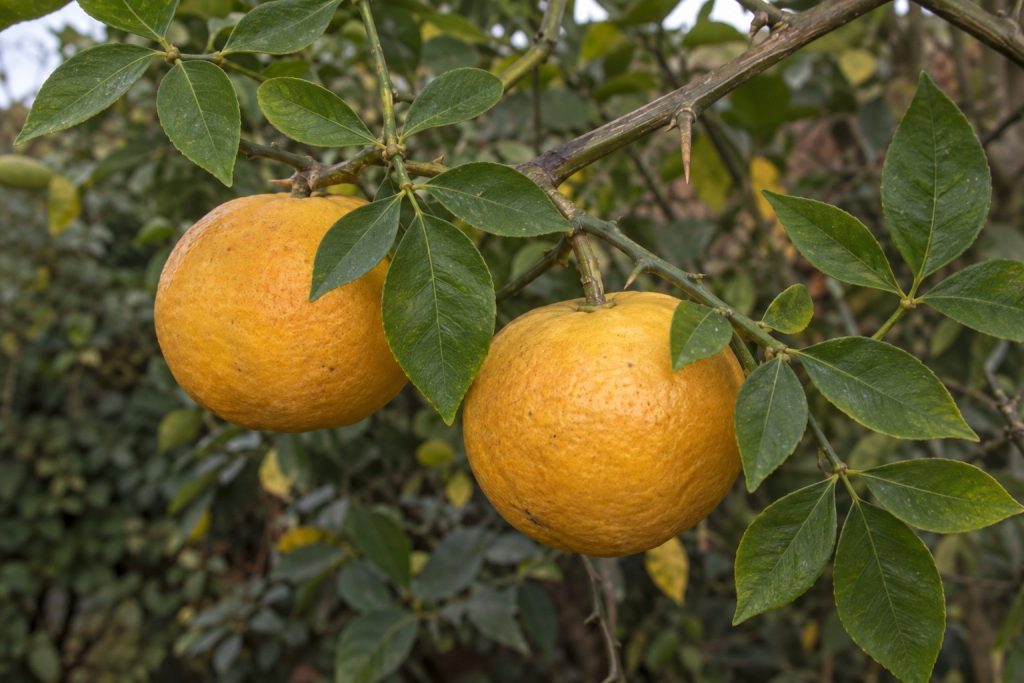
The fruit looks like a small, medium-sized orange, slightly lobed, pale yellow-orange at maturity in late fall and winter. The flesh is juicy but more acidic and slightly bitter than the sweet orange at the start of ripening; it gradually softens when the fruit stays on the tree in winter, then approaching the taste of an orange. The zest is very aromatic. The harvest runs from November to January.Flavor and ornamental interest
Fully ripe on the tree, Morton citrange can be eaten raw, with a flavor profile approaching that of an orange. It is especially appreciated for jam, marmalade, and juice. Its exceptional hardiness of 5°F (−15°C) places it among the very rare citrus that can be grown in the ground in the continental and mountain regions of France. Its spectacular, fragrant bloom is a major ornamental asset in spring.
Back to the collection
Updated: