Identity
History & Description
Origin
Eremorange is a feat of hybridization carried out by CSIRO in Australia. It is a rare intergeneric hybrid crossing Citrus sinensis (sweet orange) with Eremocitrus glauca (the desert finger lime), a wild Australian species extremely resistant to drought. This marriage aimed to transfer the water-stress tolerance of the desert citrus to a commercial variety.Tree description
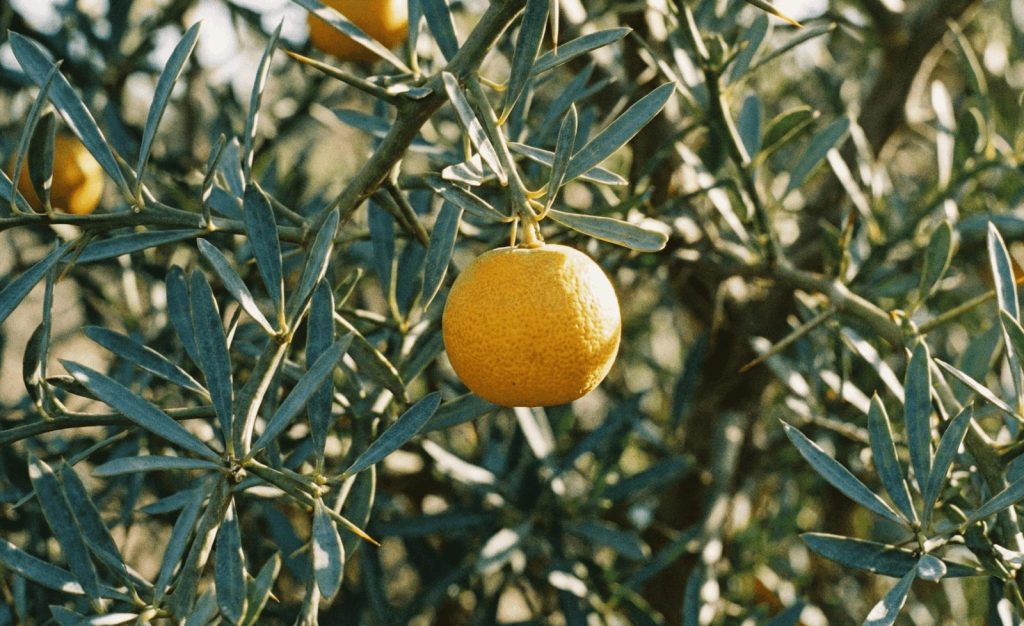
It is a shrub with fine, dense foliage, inherited from its desert parent. It tolerates drought and calcareous soils particularly well.Fruit quality
It produces small round fruit of 0.4 to 0.8 in (1 to 2 cm), orange at maturity, with very thin skin. They contain juicy vesicles that burst in the mouth.Flavor and ornamental interest
Tasting delivers an explosion of flavor mixing the taste of orange with a hint of wild acidity. The shrub is very ornamental when covered in its "orange beads".Updated:
What matters when choosing
Key points about Eremorange
Eremorange is a collector’s hybrid between sweet orange and Australian desert lime. Its small, intensely aromatic fruit and crisp juice vesicles are appealing, but horticultural identity and actual resistance vary among the clones sold.
Why choose it
- Intense, distinctive flavor.
- Small juice vesicles with a crisp texture.
- Good drought tolerance inherited from Citrus glauca.
Its limits
- Small fruit, poorly suited to conventional fresh-eating use.
- Rare hybrid with little comparable data.
- Hardiness varies greatly among sellers and clones.
Practical notes
- Parentage
- Sweet orange × desert lime
- Fruit
- Small, yellow to orange
- Uses
- Condiment and collecting
Cold-hardiness reference: about 5°F (−15°C)
Some claims go considerably lower; without comparable trials among clones, this reference remains deliberately conservative.
Sources and method
The temperatures given are reference points for a mature tree with hardened wood. The table and callout repeat the same value as the profile. They guarantee neither freedom from damage nor a harvest after a freezing event.
Data reviewed on September 21, 2026.
- Plantencentrum Exotica — Parentage and a cautious horticultural reference
- À l'ombre des figuiers — Foliage, fruit, vesicles, and aromas
- Greffeur d'Agrumes — Fruit description and presentation as a collector’s hybrid