Cold hardiness
14°F (−10°C)
Identity
OriginUnited States / Europe (horticultural hybridization)
Genetic originHybrid citrange x kumquat Fortunella hindsii, reblooming and recurrent fruiting
USDA zone8a
Cold hardiness14°F (−10°C)
Fruit cold hardiness25°F (−4°C)
GrowthSlow
Height10 ft (3 m)
HarvestJanuary, February, March, April, May, June, July, August, September, October, November, December
SeedsFew
UsesFresh eating, Juice, Savory cooking
FlavorsSlightly acidic, Highly aromatic, Tart
History & Description
Origin
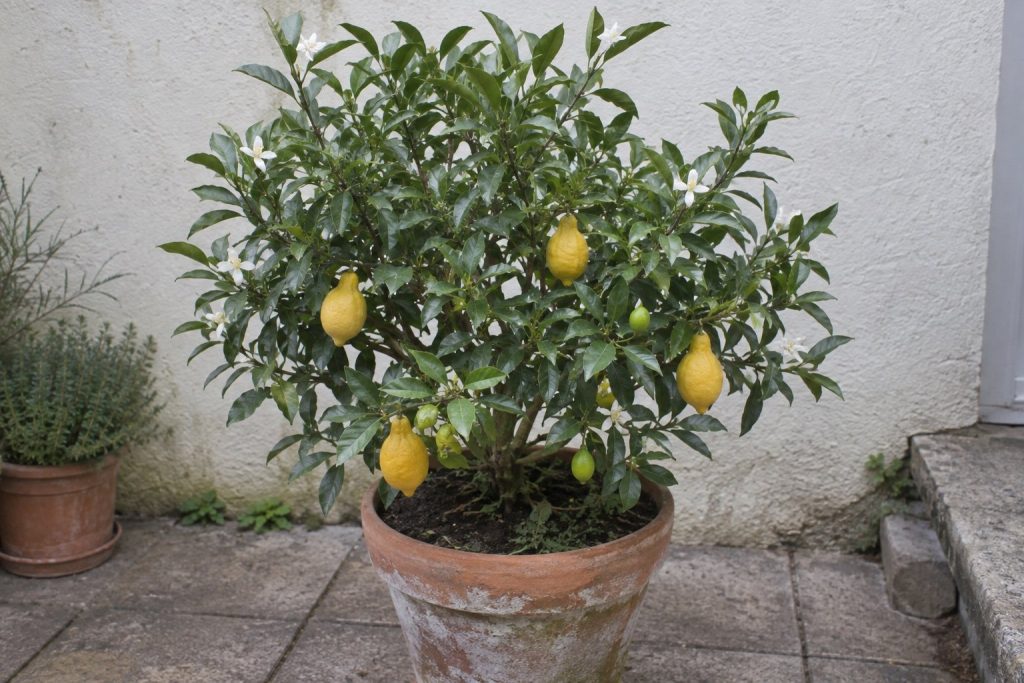
Four Seasons citrangequat is a complex hybrid from a cross between a citrange (itself a hybrid of Citrus sinensis and Poncirus trifoliata) and a kumquat of the genus Fortunella hindsii. Developed in ornamental fruit horticulture, this citrangequat is particularly remarkable for its reblooming and recurrent fruiting: unlike nearly all citrus, which produce only once a year, this tree bears fragrant white flowers and fruit at different stages of ripeness at the same time, practically all year round, in several successive waves. The nursery Archedulivradois, which grows its citrus at an altitude of 3,300 ft (1,000 m) in the Auvergne under severe winter conditions, attests to its hardiness, confirmed at 14°F (−10°C) in difficult real-world conditions. Its combination of hardiness, continuous production, and compactness makes it an exceptional citrus.Tree description
Compact tree of low vigor, reaching 7 to 10 ft (2 to 3 m), with very short internodes giving a dense, bushy, very ornamental habit. Dark green evergreen foliage, thornless. A very free-flowering tree all year long, with successive waves of fragrant white flowers and fruit at different stages present on the tree at the same time.Fruit quality
Small pear-shaped fruit of about 3.1 in (8 cm), yellow-orange at maturity. The flesh is juicy, with the taste of fresh, tart, very aromatic lemon. The rind is thin and edible, like that of a kumquat. The unique feature is the simultaneous presence of fruit at different stages of ripeness all year long, giving a continuous, staggered harvest that is impossible with any other citrus.Flavor and ornamental interest
Four Seasons citrangequat is used like the lemon (juice, cooking, pastry), with the exceptional advantage of almost continuous production that allows picking on demand in every season. Its very ornamental look (flowers and fruit of various sizes present at the same time), its compactness, and its lack of thorns make it an ideal tree in a pot on a terrace or in the ground in zone 8a. The gardener never runs out of fresh citrus.
Back to the collection
Updated: