Variety profile

Prague Citsuma

(Citrus unshiu + Poncirus)

Documented by Léo — grown in the ground, USDA zone 8b

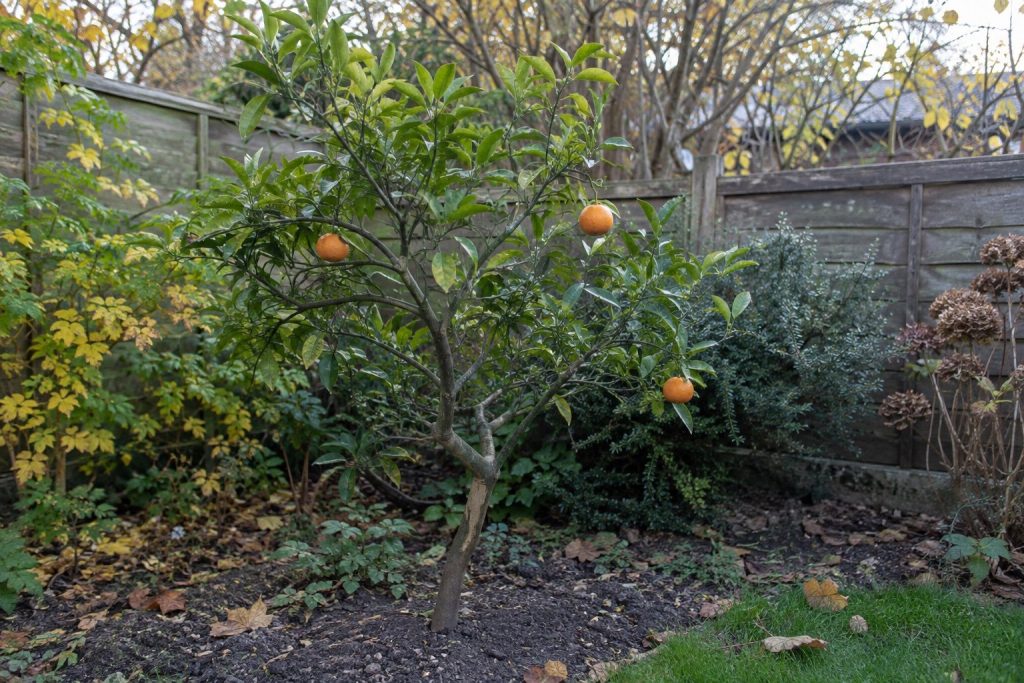
Prague citsuma (Citrus unshiu + Poncirus) is an emblematic example of a Satsuma × Poncirus hybrid developed in Central Europe in the 20th century at the Prague institute. Its tree hardiness reaches 5°F (−15°C); Biggio and Londeix classify it in USDA zone 8a, and Anjou Citrus also considers growing it in zones 7 and 6, often with winter protection. The vigorous tree reaches 10 to 13 ft (3 to 4 m) with an upright, semi-thorny habit and foliage with double leaflets, sometimes twisted (a Poncirus inheritance), which makes it a remarkable landscape specimen, along with fragrant white spring flowers. Its small orange fruit, 2 to 3.5 oz (60 to 100 g), has skin that is easy to peel and ripens from December to February according to the Vessières catalog; the flesh is sweet and fragrant when cooked, less interesting raw because of residual bitter notes from the Poncirus. Excellent as compote, candied, or in marmalade. Graft onto Poncirus trifoliata, plant against a south-facing wall, in well-drained soil.

A small citrus tree bearing orange fruit beside garden beds
AI-generated illustration. It does not authenticate cultivar identity or cold tolerance.
Cold hardiness 5°F (−15°C)

Identity

OriginCzech Republic
Genetic originSatsuma × Poncirus
USDA zone
Cold hardiness5°F (−15°C)
Fruit cold hardiness23°F (−5°C)
GrowthModerate
Height10 ft (3 m)
HarvestJanuary, February, December
SeedsFew
FlavorsSweet, Tart, Balanced, Highly aromatic

History & Description

Origin

It is a fascinating chimera (or hybrid) originally obtained by the University of Prague and distributed by the nurseryman Bernhard Voss. It is said to have arisen from a cell fusion between a Satsuma mandarin and a Poncirus (probably the twisted variety 'Dragon Fly').

Tree description

The tree is a true plant sculpture: it has a twisted, weeping, very thorny habit inherited from the Poncirus. It is deciduous or semi-evergreen and offers exceptional hardiness, withstanding temperatures down to 5°F (−15°C).

Fruit quality

It produces round fruit of about 2.5 oz (70 g), bright orange at ripeness, that look like mandarins. The skin is sometimes a little bumpy but easy to peel.

Flavor and ornamental interest

Unlike most Poncirus hybrids, it is edible raw. Its flesh recalls Satsuma with a more tart touch and a unique zest fragrance. It is one of the hardiest edible citrus in the world.
Back to the collection

Updated:

"Growing rare citrus means accepting that nature has the last word, while whispering in its ear how to survive the winter."

Scroll to Top