Cold hardiness
5°F (−15°C)
Identity
OriginUnited States (North Carolina, Mount Olive)
Genetic originHybrid Poncirus trifoliata × grapefruit (Citrus paradisi)
USDA zone7b
Cold hardiness5°F (−15°C)
Fruit cold hardiness23°F (−5°C)
GrowthModerate
Height13 ft (4 m)
HarvestOctober, November, December
SeedsMany
FlavorsSharp acidity, Slight bitterness, Highly aromatic
History & Description
Origin
Dunstan citrumelo is a hybrid from a cross between a grapefruit (Citrus paradisi) and Poncirus trifoliata, discovered in Mount Olive, North Carolina (United States), in the garden of Dr. A.J. Bullard. The mother tree survived temperatures of −4°F (−20°C) during an exceptional winter in the 1980s, revealing a stunning hardiness for a hybrid containing 50% Citrus paradisi genome. The name Dunstan honors Dr. Robert T. Dunstan (1898-1991), an amateur botanist renowned for his work selecting hardy plants in the Carolinas. Distinct from Swingle 4475 citrumelo, the dominant commercial rootstock, Dunstan has a reduced poncirin content giving it real edible fruit potential. The tree is listed in the collection of the JC Raulston Arboretum at NC State University and sold by specialist nurseries in the United States and Europe.Tree description
Dunstan citrumelo is a semi-deciduous to semi-evergreen tree of medium size, reaching 10 to 13 ft (3 to 4 m) at maturity, with a dense, well-structured habit. Its spring bloom is notably larger than that of pure Poncirus, giving it a higher ornamental appeal than its trifoliate cousins. Growth is moderate. The tree is thorny, like all Poncirus hybrids, and has partly trifoliate foliage inherited from both parents.Fruit quality
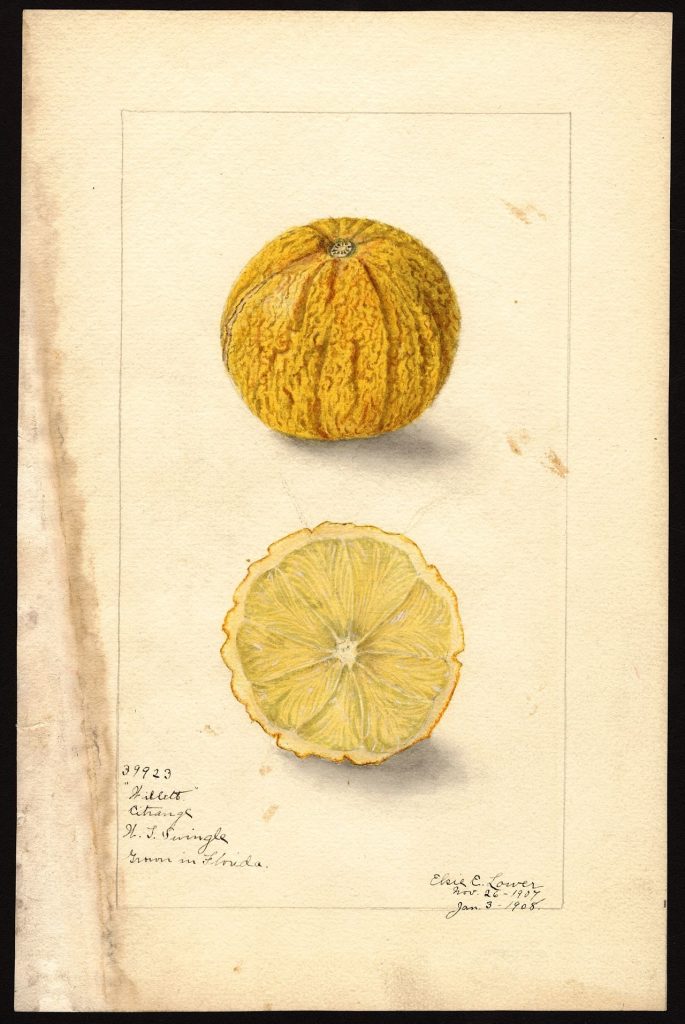
The fruit is of good size, reaching 3.1 to 3.9 in (8 to 10 cm) in diameter, that of a small grapefruit, which clearly sets it apart from other, smaller citrumelos. The color is golden yellow at fall maturity. The abundant juice offers, when the fruit is fully ripe, a taste very close to grapefruit with a clear acidity and a moderate bitterness markedly lower than that of Swingle. Seeds are numerous. The harvest runs from October to December.Flavor and ornamental interest
Dunstan citrumelo represents the best compromise between extreme hardiness and fruit quality among the 50% Poncirus hybrids: its grapefruit-like juice is used in cooking, in jam, and in drinks. As a rootstock, it confers exceptional hardiness and vigor on the varieties grafted onto it, sometimes surpassing Swingle. Its large white spring flowers and big golden fruit make it one of the most aesthetic Poncirus hybrids of the winter garden.
Back to the collection
Updated: