Cold hardiness
9°F (−13°C)
Identity
OriginSouth Africa
Genetic originHybrid of Poncirus trifoliata × Minneola tangelo
USDA zone7b
Cold hardiness9°F (−13°C)
Fruit cold hardiness23°F (−5°C)
GrowthVigorous
Height10 ft (3 m)
HarvestNovember
SeedsModerate
UsesJuice, Savory cooking
FlavorsSour, Highly aromatic
History & Description
Origin
The Trifeola Monofolie is a South African hybrid born of a cross between Poncirus trifoliata, the hardiest trifoliate orange in the world, and the Minneola Tangelo, a famous American hybrid between the Dancy mandarin and the Duncan grapefruit. Initially created as an alternative rootstock resistant to Phytophthora for South African orchards, it proved to be a fruit-bearing citrus in its own right with remarkable hardiness. The Quissac nursery in the Gard selected it from its collection, choosing specifically the plants whose leaves lose their trifoliate character and become single-leaved, a sign of a more citrus-like than poncirus-like expression. This selection, stabilized over several generations, produces a very vigorous, fruitful tree whose juice has a flavor quality far superior to that of pure Poncirus. The Trifeola embodies the modern strategy of variety creation aimed at capturing the hardiness of Poncirus while gradually eliminating its flavor defects.Tree description
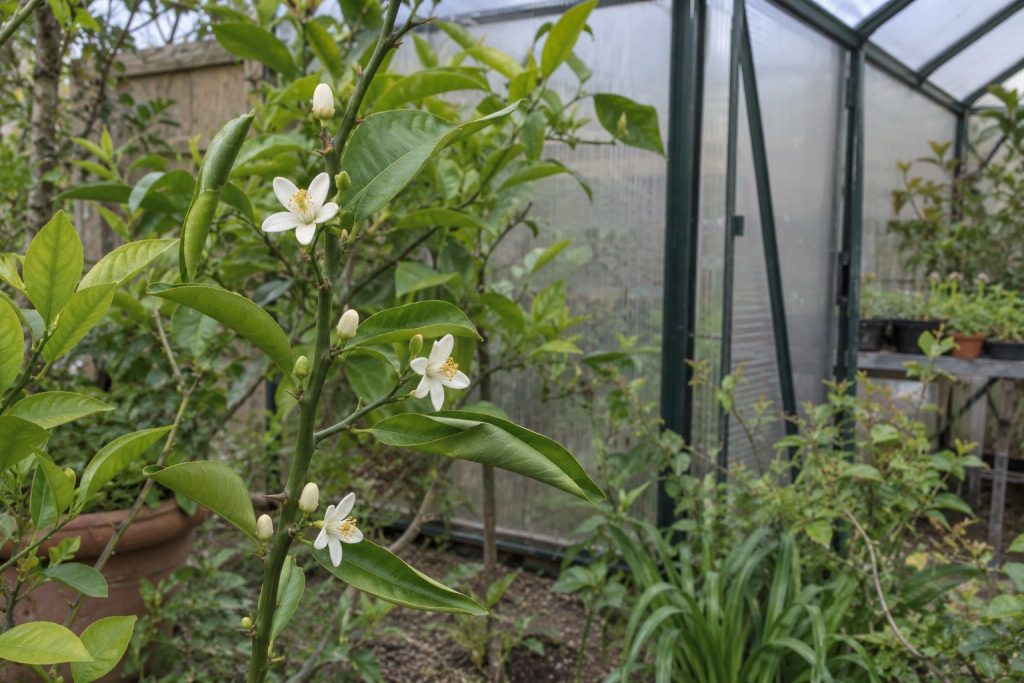
A very vigorous tree with an upright habit reaching 10 ft (3 m) tall at maturity, with evergreen foliage whose leaves are single-leaflet after selection, a sign of a more citrus-like expression. The spring bloom from April to June is pure white and modestly fragrant. Fruiting is regular and fairly productive, ripening in November with the first cold. Fast growth allows relatively early fruiting, generally in the third or fourth year after planting.Fruit quality
The skin is thick and unappealing, inherited from the poncirin of Poncirus, and remains unfit for eating out of hand. The juice, on the other hand, is of remarkable quality: tart and very fragrant, it makes an excellent substitute for lime or lemon in cooking. Seeds are present in moderate numbers, reflecting the poncirus parentage. The zest, though slightly bitter, releases frank lemony aromas when infused or candied as a paste.Flavor and ornamental interest
The Trifeola's juice is a gastronomic discovery: replacing lemon with its juice in pastry, in vinaigrettes or in fish marinades brings a deeper acidity and complex aromatic notes. The candied zest offers an original alternative to traditional lemon zests. As an ornamental, its bright yellow fruits persisting on the bare tree after the partial leaf drop in winter create a striking spectacle. Its hardiness at 9°F (−13°C) opens up citrus orchard growing to gardeners in zone 7b, a real asset for the cold regions of central and eastern France.
Back to the collection
Updated: