Cold hardiness
10°F (−12°C)
Identity
OriginCalifornia, United States
Genetic originHybrid of Troyer citrange × Rangpur lime
USDA zone8a
Cold hardiness10°F (−12°C)
Fruit cold hardiness27°F (−3°C)
GrowthVigorous
Height13 ft (4 m)
HarvestJanuary, February, December
SeedsFew
UsesJuice, Savory cooking
FlavorsSour, Highly aromatic, Herbal
History & Description
Origin
The Troyer × Rangpur lime is a fascinating interspecific hybrid from a cross between the Troyer citrange (itself a hybrid of Citrus sinensis and Poncirus trifoliata, the deciduous, frost-hardy trifoliate orange) and the Rangpur lime (Citrus limonia), a citrus of Asian origin known for its very acidic juice with powerful lime aromas. This hybrid was developed within American breeding programs for hardy citrus, aiming to combine the cold resistance inherited from Poncirus trifoliata (via the Troyer citrange) with the aromatic qualities of the lime. The result is an original citrus hardy to 10°F (−12°C), one of the few lime-scented citrus that can be grown in cool temperate gardens. It is offered by French specialist nurseries as a hardy alternative to tropical limes, out of reach at our latitudes.Tree description
A tree of moderate to vigorous growth, reaching 10 to 13 ft (3 to 4 m) in the ground. The habit is upright with well-furnished evergreen foliage of a bright green. Flowering is remarkably abundant, with the large, highly fragrant white flowers characteristic of Poncirus hybrids. Growth is vigorous and fruiting comes quickly.Fruit quality
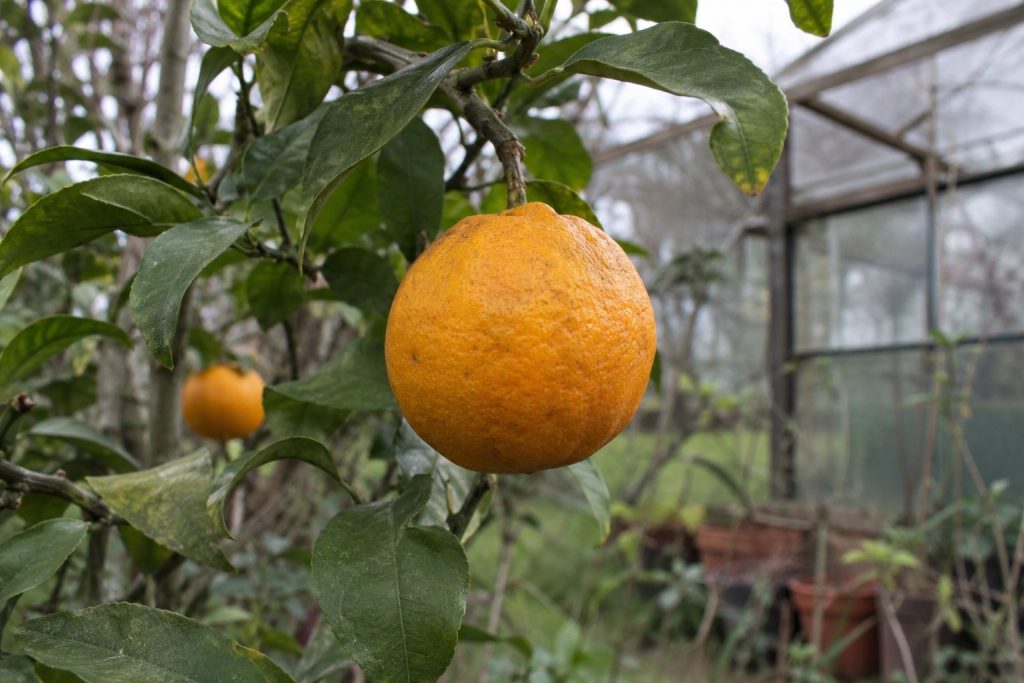
Round fruit of medium size, about 2.1 oz (60 g), with orange skin at full maturity in winter. The zest gives off very intense characteristic aromas of spicy lime. The flesh is orange and acidic at picking, gradually mellowing at advanced maturity. The harvest spreads from December to February. Contains a few seeds.Flavor and ornamental interest
Used green, the fruit yields a juice and zest with lime aromas ideal for Asian cooking, cocktails, fish marinades, and vinaigrettes. At advanced maturity, it can replace lime in recipes. Its very high hardiness, 10°F (−12°C), makes it one of the few lime-scented citrus that can be grown in gardens in cool zones. Its evergreen foliage and generous flowering make it a very remarkable tree.
Back to the collection
Updated: