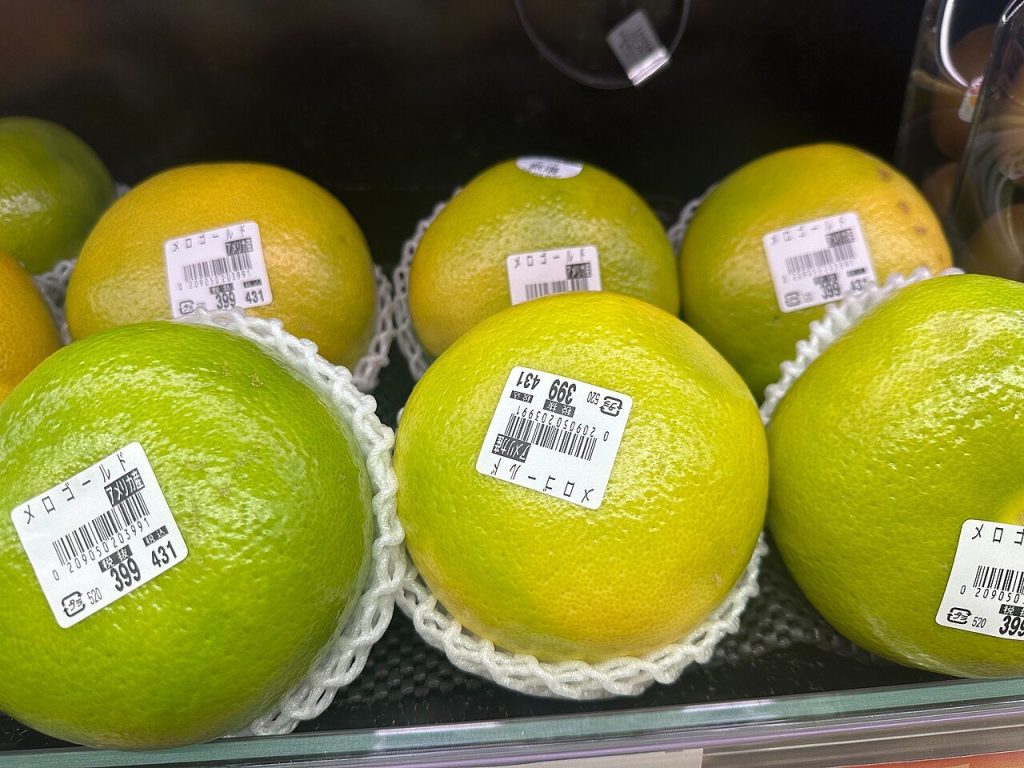
Melogold Grapefruit
Origin: Melogold is a grapefruit and pummelo hybrid created in 1986 by researchers at the University of California, Riverside, as […]
What are you looking for?
Origin: Melogold is a grapefruit and pummelo hybrid created in 1986 by researchers at the University of California, Riverside, as […]
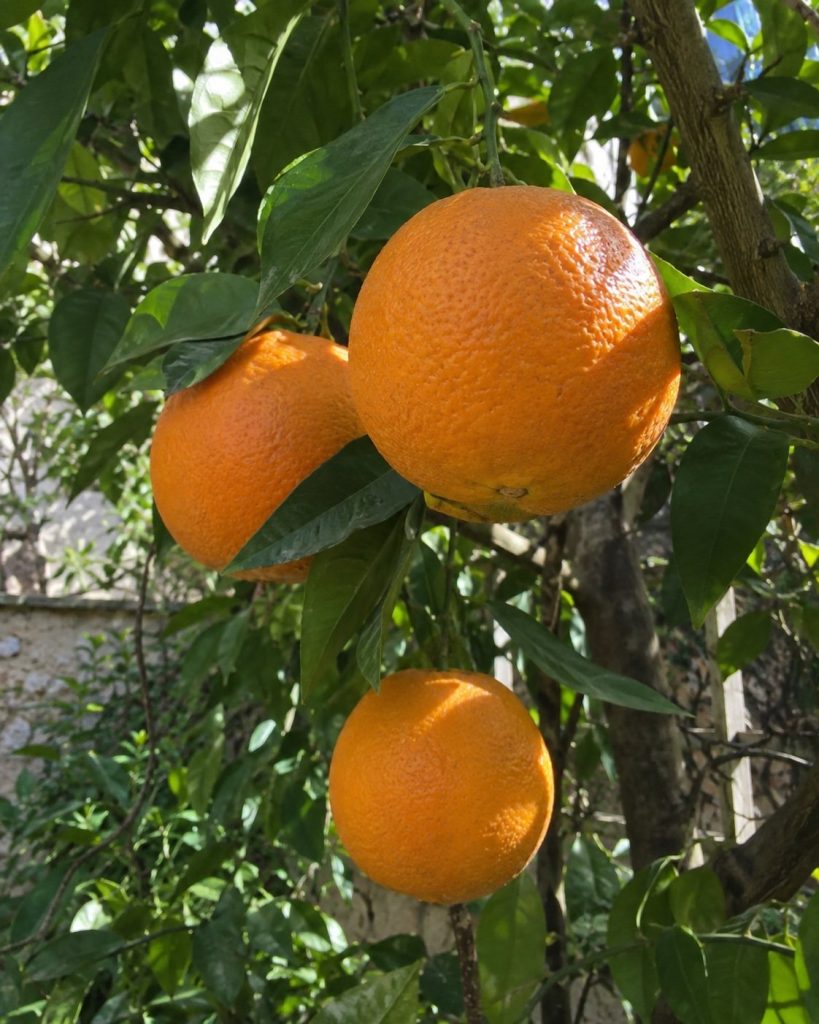
Washington Navel orange (Citrus sinensis ‘Washington Navel’) is the most widely grown navel orange in the world, a natural mutation that appeared in Brazil in the early 19th century and was introduced to Washington in 1870, hence its name. Its tree hardiness reaches 16°F (−9°C), making it suitable for in-ground growing in USDA zones 8b and 9a. The vigorous tree commonly reaches 10 to 16 ft (3 to 5 m) in cultivation, and can reach 20 ft (6 m) in favorable ground, with a rounded habit, evergreen foliage, and fragrant white flowers in spring. Its large bright orange fruit, 7.1 to 10.6 oz (200 to 300 g), characterized by a visible secondary navel, seedless, with easy-to-peel skin, ripen in winter and offer juicy, sweet, fragrant flesh. The ultimate table orange: to be eaten fresh, as juice pressed right away (it oxidizes quickly), in salad. Graft onto Poncirus trifoliata for in-ground growing, plant against a south wall. Harvest in January-March.
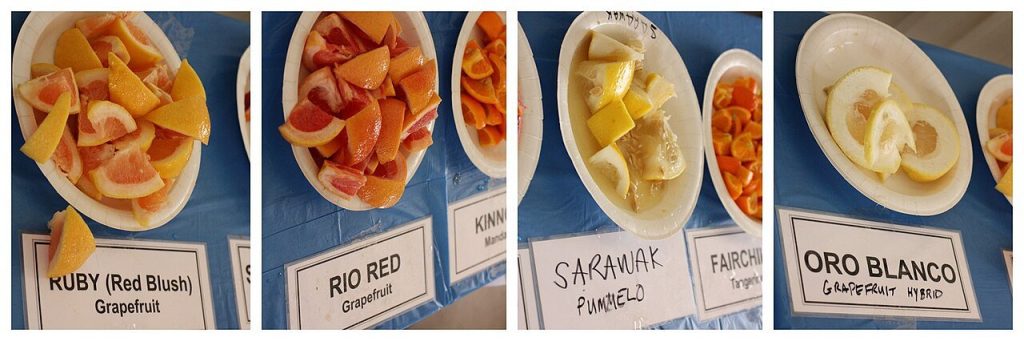
Oro Blanco grapefruit (Citrus grandis × Citrus paradisi ‘Oroblanco’) is a modern hybrid between the Siamese Sweet pummelo and the white Marsh grapefruit, created in California in 1958 to combine the sweetness of the Asian pummelo with the generosity of the grapefruit. Its tree hardiness reaches 14°F (−10°C), making it suitable for in-ground growing in USDA zone 8a-8b. The vigorous tree reaches 10 to 16 ft (3 to 5 m) with a rounded habit, evergreen foliage, and fragrant white flowers. Its golden-yellow fruit, large at 10.6 to 14.1 oz (300 to 400 g) with thick skin, ripen in winter and have white to light green flesh, juicy, sweet, and slightly tart, with little bitterness unlike classic grapefruits. Excellent fresh for those who dislike the bitterness of grapefruit, and in winter fruit salad. Graft onto Poncirus trifoliata.
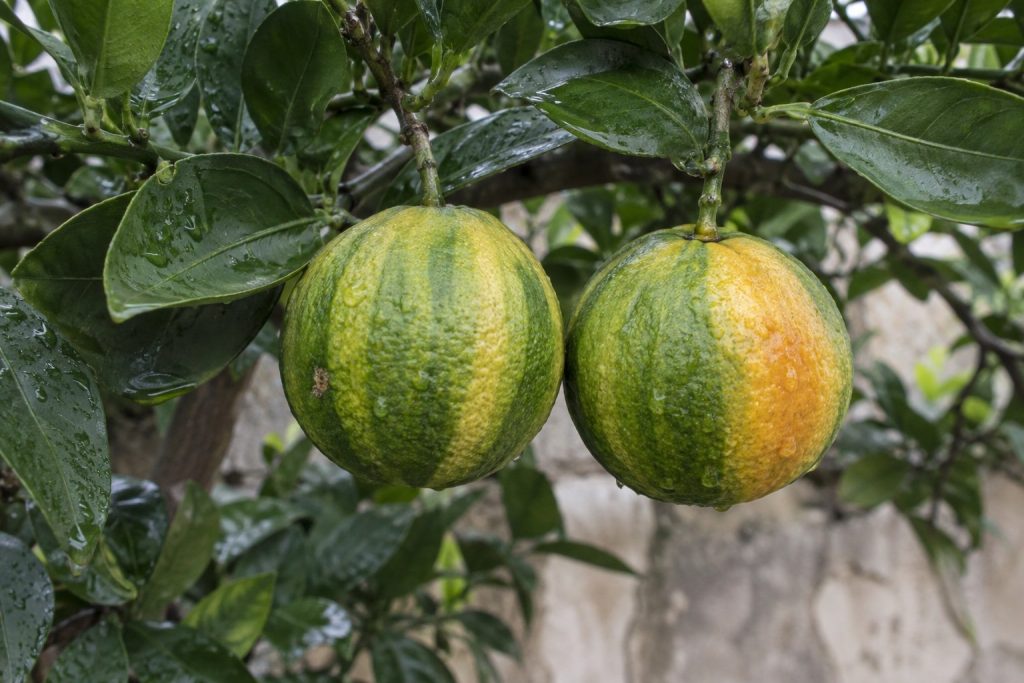
Vatican bitter orange (Citrus aurantium ‘Fasciata’) is a historic ornamental variety of bitter orange, traditionally grown in the Vatican and Roman gardens, famous for its spectacular green-yellow-orange striped fruit. Its tree hardiness reaches 14°F (−10°C), making it suitable for in-ground growing in USDA zone 8a-8b. The tree reaches 7 to 13 ft (2 to 4 m) with a rounded, thorny habit, glossy, often variegated evergreen foliage, and very fragrant white flowers in spring. Its bitter orange fruit with unique green-yellow-orange stripes, medium-sized with thick, rough skin, ripen in winter. Very ornamental but also excellent in marmalade, candied peel, and liqueur. The variety is particularly decorative and historically important in European royal gardens. Graft onto Poncirus trifoliata, plant against a south-facing wall, well-drained soil.
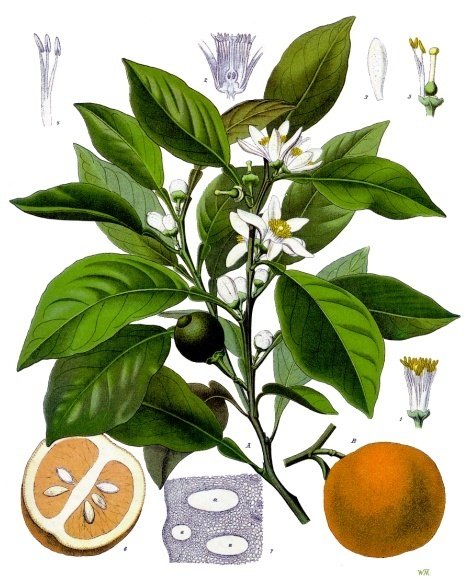
Dolce del Gargano bitter orange (Citrus aurantium ‘Dolce del Gargano’) is an Italian bitter orange variety that is less bitter than the classic bitter oranges, traditionally grown in the Gargano (Apulia) for its balance between acidity and sweetness. Its tree hardiness reaches 14°F (−10°C), making it suitable for in-ground growing in USDA zone 8a-8b. The tree can reach 16 to 20 ft (5 to 6 m) in the ground, with a rounded, thorny habit, evergreen foliage, and very fragrant white flowers. Its orange fruit, medium-sized at 5.3 to 8.8 oz (150 to 250 g) with thick skin, ripen in winter and give a juice that is less bitter than the classic bitter orange, with a pleasant acidity and a complex aroma. Excellent fresh for enthusiasts (rare for a bitter orange), in marmalade, juice, and liqueur. Graft onto Poncirus trifoliata, plant against a south-facing wall.
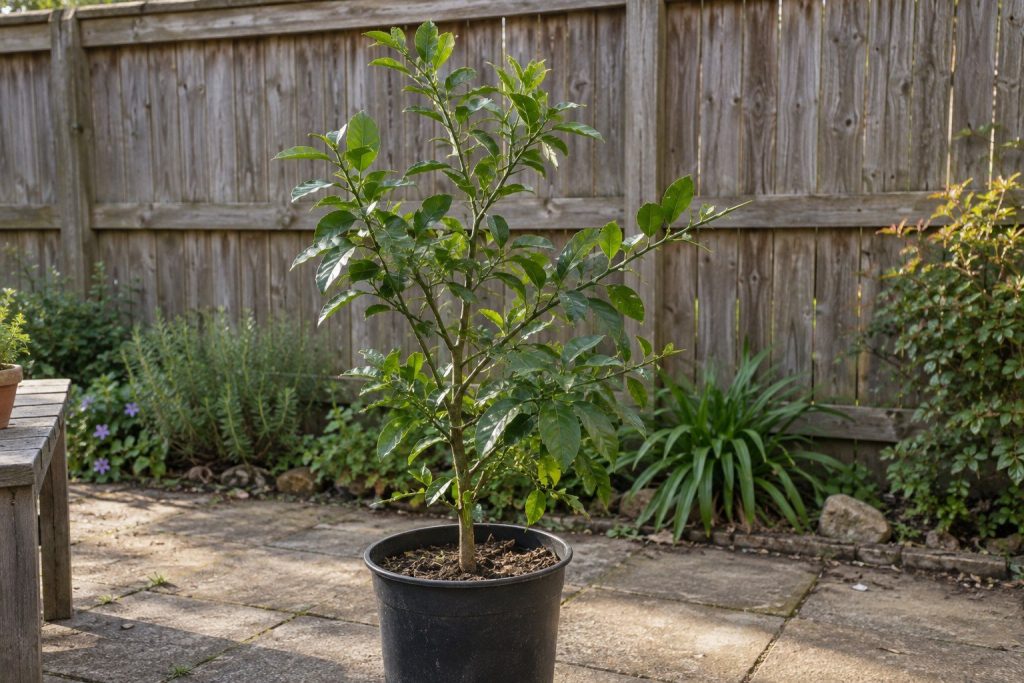
Oni Yuzu (Citrus junos ‘Oni’), literally “demon yuzu” in Japanese, is a variant of the yuzu selected for its particularly large fruit and its ultra-bumpy rind evoking a demon’s skin. Its hardiness reaches 10°F (−12°C) on the tree, making it growable in the ground in USDA zone 8a. The tree reaches up to 16 ft (5 m) for the cultivar described by Vessière, with a rounded, spreading habit, aromatic evergreen foliage, and highly fragrant white flowers. Its golden-yellow fruit, large in size (7 to 14 oz, or 200 to 400 g), with extremely bumpy, thick skin rich in essential oils, ripens in October to November and holds a very acidic, fragrant juice typical of yuzu, with more generous flesh than classic yuzus. Excellent in zest, juice, ponzu vinegar, and pastry. Highly ornamental thanks to its spectacular fruit. Graft onto Poncirus trifoliata, south-facing wall.
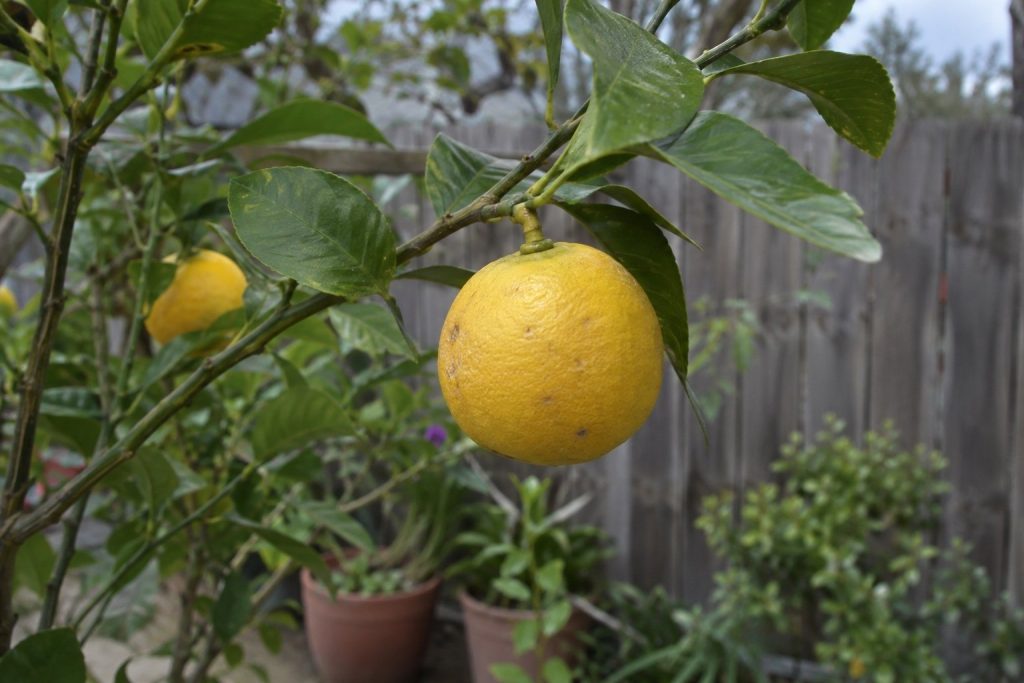
Wagashi Ichanglemon (Citrus wilsonii ‘Wagashi’) is a Japanese selection of the Ichanglemon suited to refined culinary use, notably in traditional wagashi confections. Its hardiness reaches 10°F (−12°C) on the tree, making it growable in the ground in USDA zones 7b and 8a. The vigorous tree reaches up to 16 ft (5 m) according to Vessière, with an upright, thorny habit, evergreen foliage with large winged petioles, and fragrant white spring flowers. Its yellow, round and bumpy fruit, medium to large with thick, rough skin, ripens in winter and holds a very fragrant, acidic, aromatic juice recalling a wild lemon with grapefruit notes, particularly suited to Japanese pastries and fine jams. Excellent zest for flavoring. Graft onto Poncirus trifoliata, plant against a south-facing wall, well-drained soil.
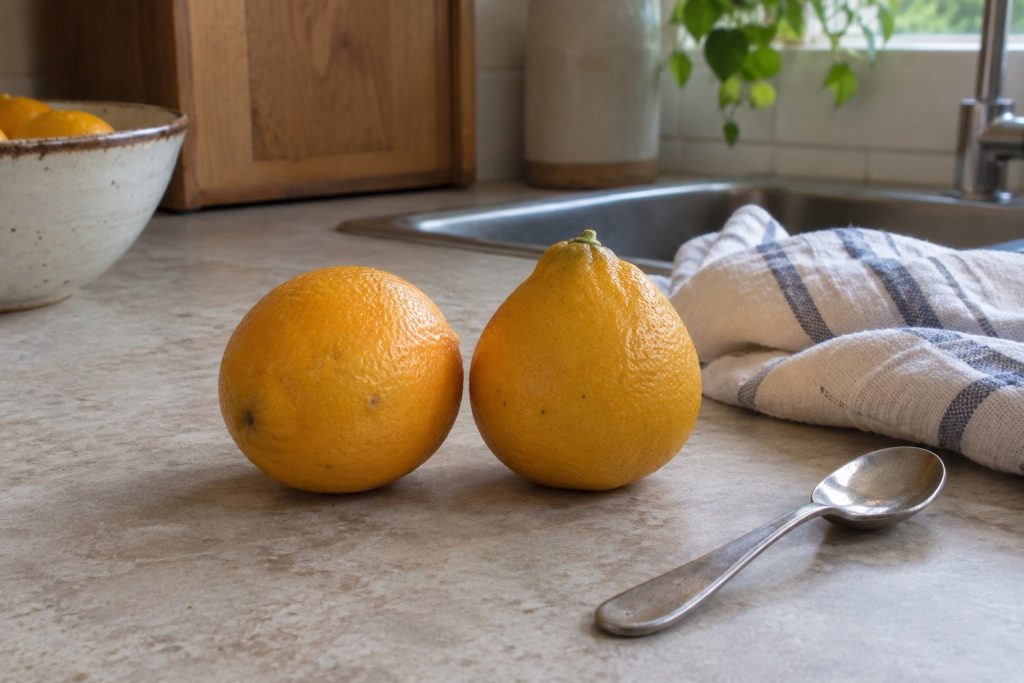
Origin: The Sunquat is an interspecific hybrid obtained by the USDA citrus breeding program in Florida, from a cross between […]
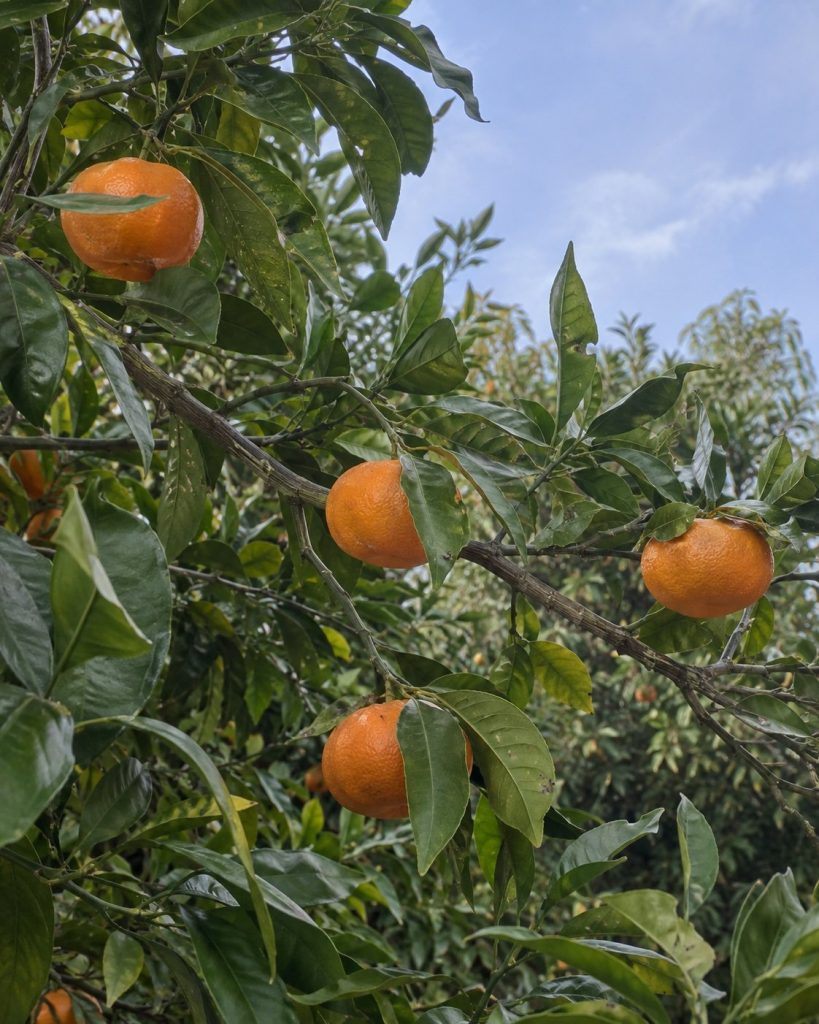
History & Description Origin The Clemenules clementine, also known as Nules, arose from a spontaneous natural mutation of the Fina […]
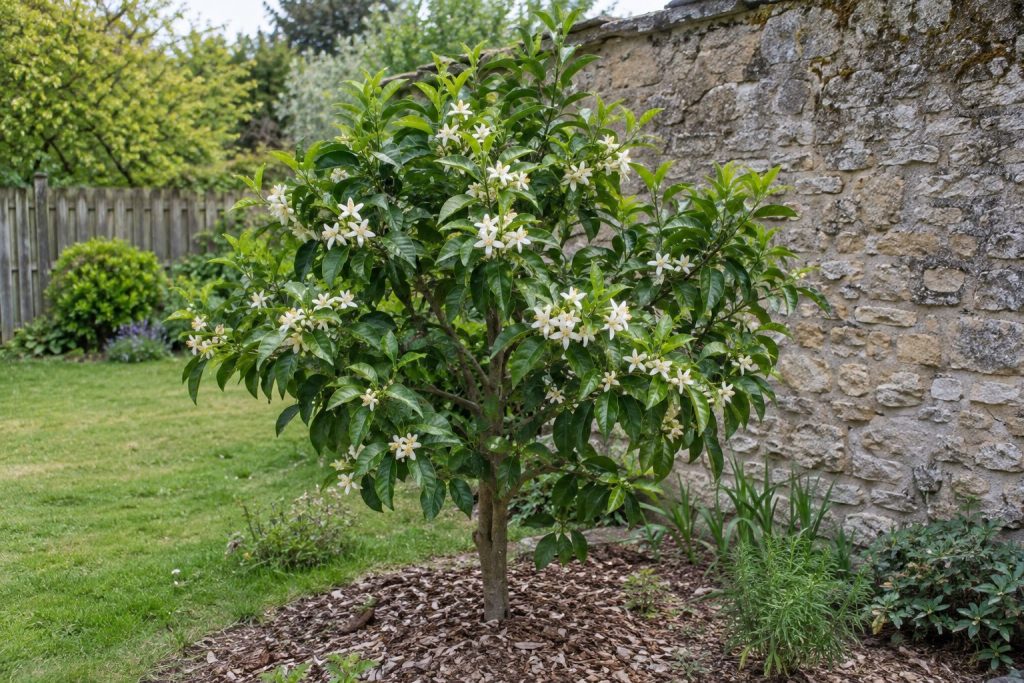
Bouquetier de Nice sour orange is a traditional French selection historically grown on the Côte d’Azur for the production of orange blossom water and neroli essential oil. Its hardiness reaches about 18°F (−8°C) on the tree, with a USDA zone 8a climate benchmark used in this entry, indicative and to be confirmed for this cultivar; a sheltered location and frost protection remain necessary. The vigorous tree reaches 10 to 16 ft (3 to 5 m) with a compact, rounded habit, evergreen foliage, and exceptionally abundant, highly fragrant white flowers in spring, the main use of the variety. Its bitter orange fruits, medium-sized, with thick, rough skin, ripen in winter. The variety is grown for its flowers (floral water, Grasse perfumery) more than for its fruit, which remains excellent in marmalade. Graft onto Poncirus trifoliata, south wall, well-drained soil.