Identity
History & Description
Origin
The Kishu is a very old variety, cultivated for centuries in China and Japan. The 'Nooka' selection (often associated with the Mukaku Kishu) designates a superior line, especially appreciated for its total absence of seeds and its sweetness.Tree description
The tree is of medium to modest vigor, which makes it ideal for pot culture or small gardens. It produces an abundance of fragrant white flowers followed by fruit in clusters.Fruit quality
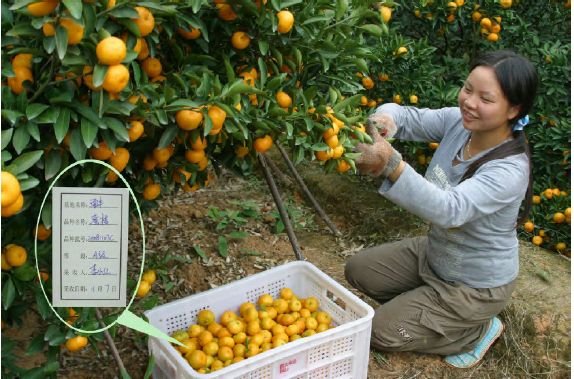
It is a miniature mandarin (the size of a golf ball), with thin, clinging skin that is nevertheless easy to peel. It is a bright, shiny orange at full ripeness.Flavor and ornamental interest
A true natural treat! The flesh is firm, intensely sweet, and without acidity. It is the children’s favorite fruit because it is eaten like candy, without seeds. Very decorative thanks to its profusion of small fruit.Updated:
What matters when choosing
Key points about Nooka Kishu Mandarin
Kishu Nooka, also known as Mukaku Kishu or Seedless Kishu, is a very small, sweet, seedless, easy-to-peel mandarin. It is excellent for fresh eating if its tiny size and fairly short harvest window are acceptable.
Why choose it
- Naturally seedless fruit.
- Sweet flesh and easy-to-remove peel.
- A bite-size fruit appreciated by children.
Its limits
- Very small fruit.
- Risk of drying out or granulation if harvested late.
- Reserve the tree for fairly sheltered locations.
Practical notes
- Synonyms
- Mukaku Kishu, Seedless Kishu
- Harvest at Riverside
- December through January
- Seeds
- Absent
Cold-hardiness reference: about 14°F (−10°C)
The selection is documented mainly for its seedlessness, not for superior hardiness; a cautious mandarin reference is therefore kept.
Sources and method
The temperatures given are reference points for a mature tree with hardened wood. The table and callout repeat the same value as the profile. They guarantee neither freedom from damage nor a harvest after a freezing event.
Data reviewed on October 7, 2026.
- Givaudan Citrus Variety Collection — UCR — Synonyms, fruit, season, seedlessness, and granulation
- Citrus ID — Seedless Kishu — Origin, morphology, flavor, and ease of peeling
- Acta Horticulturae — Mukaku Kishu — Seedless trait and interest for breeding