Variety profile

Keraji Mandarin

(Citrus reticulata 'Keraji')

Documented by Léo — grown in the ground, USDA zone 8b

Keraji mandarin (Citrus reticulata 'Keraji') is an exceptionally hardy Japanese mandarin, withstanding 10°F (−12°C) on the tree. Native to the Okinawa archipelago and the island of Kikai, it was traditionally grown in coastal villages for centuries before being rediscovered by modern breeders. The compact tree reaches 7 to 10 ft (2 to 3 m) with a rounded habit and aromatic evergreen foliage. Its yellow-orange, flattened-round, small fruit, 1 to 2 in (3 to 5 cm), ripen in winter and have very easy-to-peel thin skin and juicy flesh with a taste balanced between sweetness and acidity, with subtle floral notes. Fragrant, with few or no seeds, it is eaten fresh for dessert or in salads. Graft onto Poncirus trifoliata to reach maximum hardiness. A rare and precious mandarin for USDA zone 7b/8a gardens.

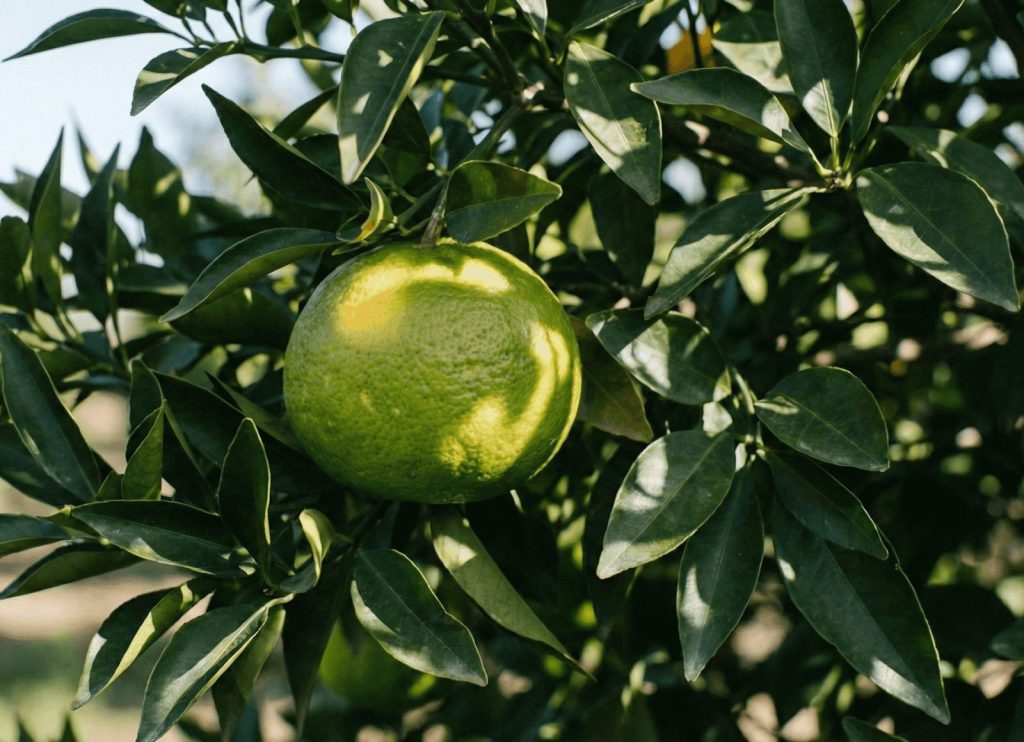
Green citrus fruit among dark green leaves
AI-generated illustration. It does not authenticate cultivar identity or cold tolerance.
Cold hardiness 10°F (−12°C)

Identity

OriginJapan
Genetic originAncient variety
USDA zone
Cold hardiness10°F (−12°C)
Fruit cold hardiness27°F (−3°C)
GrowthVigorous
Height10 ft (3 m)
HarvestNovember, December
SeedsModerate
FlavorsHighly aromatic, Sour then sweet

History & Description

Origin

Keraji (Citrus keraji) is a rare heritage variety native to Kikaijima island, in the Ryukyu archipelago in southern Japan. Cultivated locally for a very long time, it remains little known to the international public but is revered by hardy citrus enthusiasts for its resistance and atypical aromatic profile.

Tree description

The tree is vigorous and particularly cold-resistant, down to 10°F (−12°C). It ensures regular production, even in less favorable climatic conditions.

Fruit quality

It is a medium-sized mandarin, easy to peel. It contains a few seeds and its skin can become slightly puffy at overripeness.

Flavor and ornamental interest

It is an atypical citrus that is eaten at two stages: yellow for a lively lemonade flavor, or orange for a floral sweetness. A refreshing tasting experience.
Back to the collection

Updated:

"Growing rare citrus means accepting that nature has the last word, while whispering in its ear how to survive the winter."

Scroll to Top