Preserves

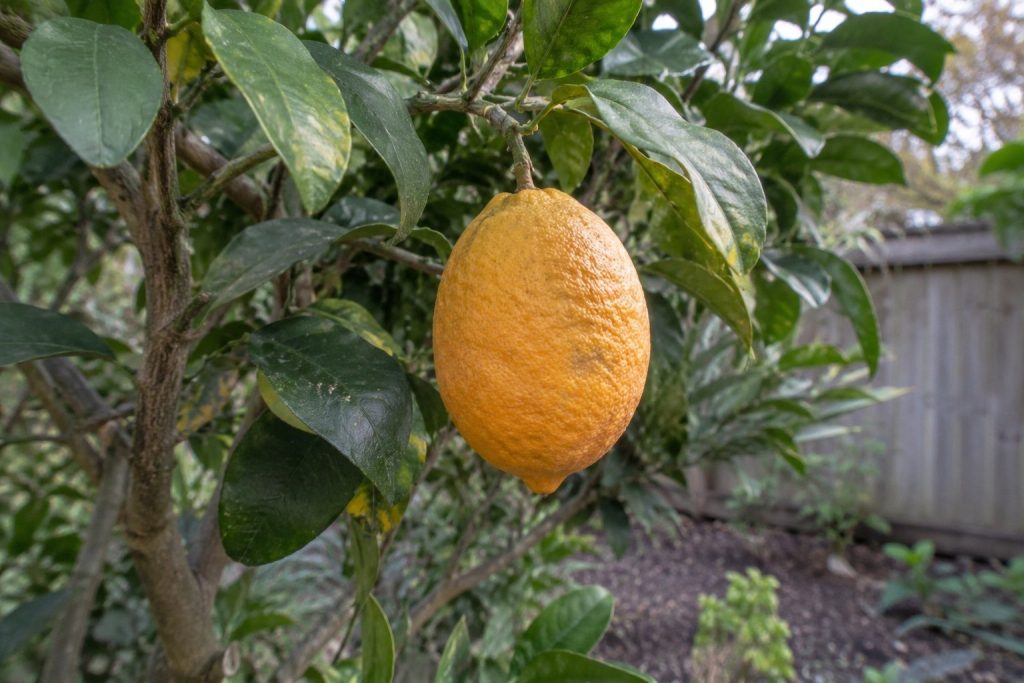
An elongated rough orange citrus fruit on a branch

Karna Khatta Lime

The Karna Khatta lime (Citrus karna) is an old Indian citrus of unknown parentage, almost certainly a natural hybrid, widely used in India as a rootstock. Its hardiness reaches 10°F (−12°C) on the tree, making it suitable for planting in the ground in USDA zone 8a. The tree grows 8 to 10 ft (2.5 to 3 m) tall with an upright, thorny habit, aromatic evergreen foliage and fragrant white flowers. Its medium-sized fruits (2.8 to 4.6 oz, or 80 to 130 g), golden yellow to deep orange with a moderately thick rind, ripen in winter; the dull orange flesh is acidic, with a faint aroma of sour orange. Excellent in Indian cooking (chutney, achar, dhal), in marinades and as juice. Many seeds. A niche variety for collectors of Asian citrus. Graft onto Poncirus trifoliata, south-facing wall.
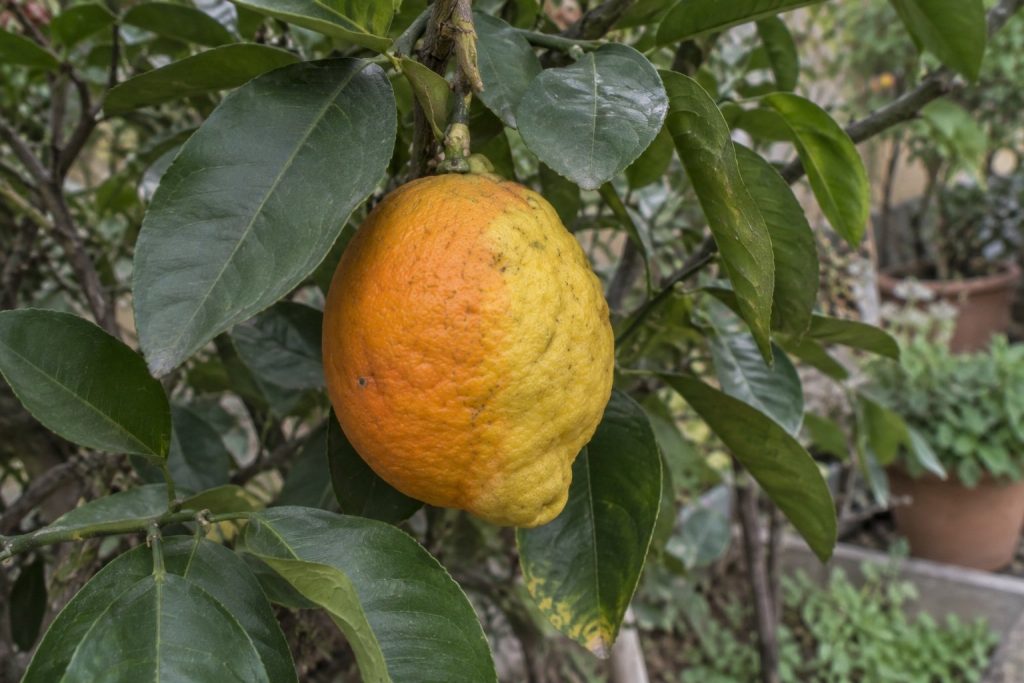
An unevenly colored yellow-orange citrus fruit hanging on a branch

Striatta ‘Bizzaria’ Bitter Orange

The Striatta Bitter Orange, also called Bizzaria di Firenze (Citrus aurantium ‘Striata’), is a famous botanical chimera discovered in the 17th century in a Medici garden in Florence. On a single tree it produces variegated fruits (striped orange, yellow, and green) that combine the characteristics of the bitter orange and the citron in varying proportions. Its hardiness reaches 14°F (−10°C) on the tree, with a USDA zone 8a climate benchmark kept in this entry, indicative and to be confirmed for the cultivated material. The tree can reach 10 to 13 ft (3 to 4 m) in the ground with an irregular, thorny habit, foliage sometimes itself variegated green and cream, and very fragrant white blossom in spring. Its exceptional striped fruits, medium-sized, with bumpy skin, ripen in winter. More ornamental than edible, but their candied peel and fragrant juice are prized by collectors. Graft onto Poncirus trifoliata, plant against a south wall. A historic collector’s piece.

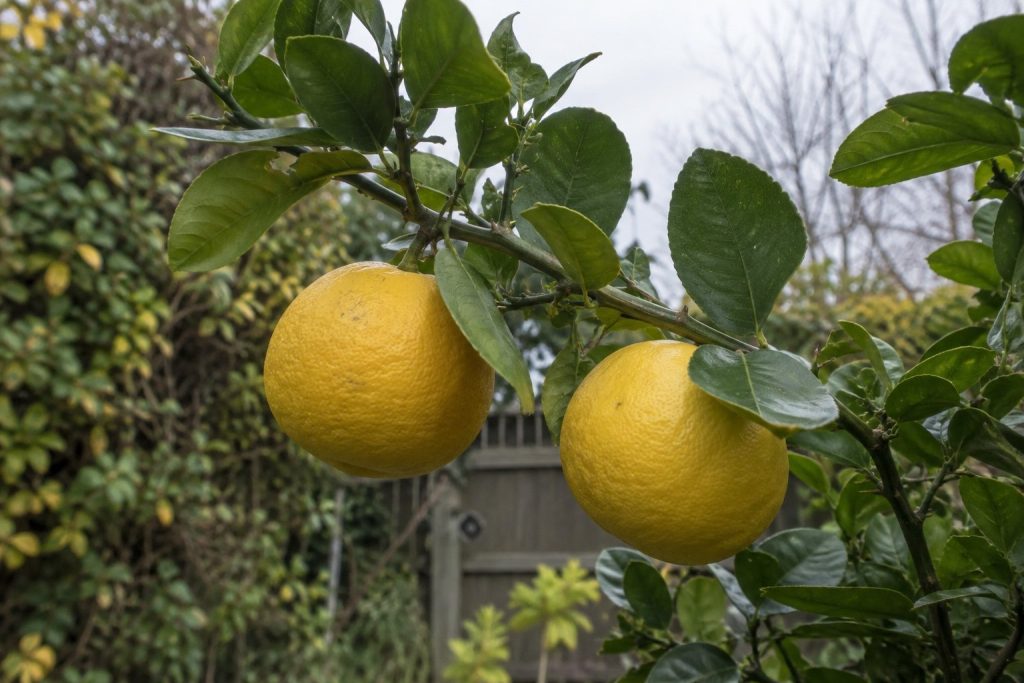
Yellow citrus fruit hanging from garden branches

Taiwanica Lemon

The Taiwanica Lemon (Citrus taiwanica), also called Nansho-daidai, is the only true lemon to reach an exceptional hardiness of 5°F (−15°C) on the tree, which makes it suitable for in-ground growing up to USDA zone 7b. Native to the mountains of Taiwan, it was introduced to Japan, where it naturalized in cold regions. The vigorous tree reaches 10 to 13 ft (3 to 4 m) in cultivation according to catalogs, and up to 16 ft (5 m) according to the Bosc catalog, with an upright, thorny habit, aromatic evergreen foliage, and very fragrant white blossom in spring. Its green fruits turning yellow at full maturity, medium-sized, with thick, bumpy skin, ripen in winter with a very sour, fragrant juice suggesting a natural cross between lemon and bitter orange. Tolerates snow on the tree without damage. Excellent for juice, marinades, marmalade, and Asian cooking. Graft onto Poncirus trifoliata, plant against a south-southwest wall.

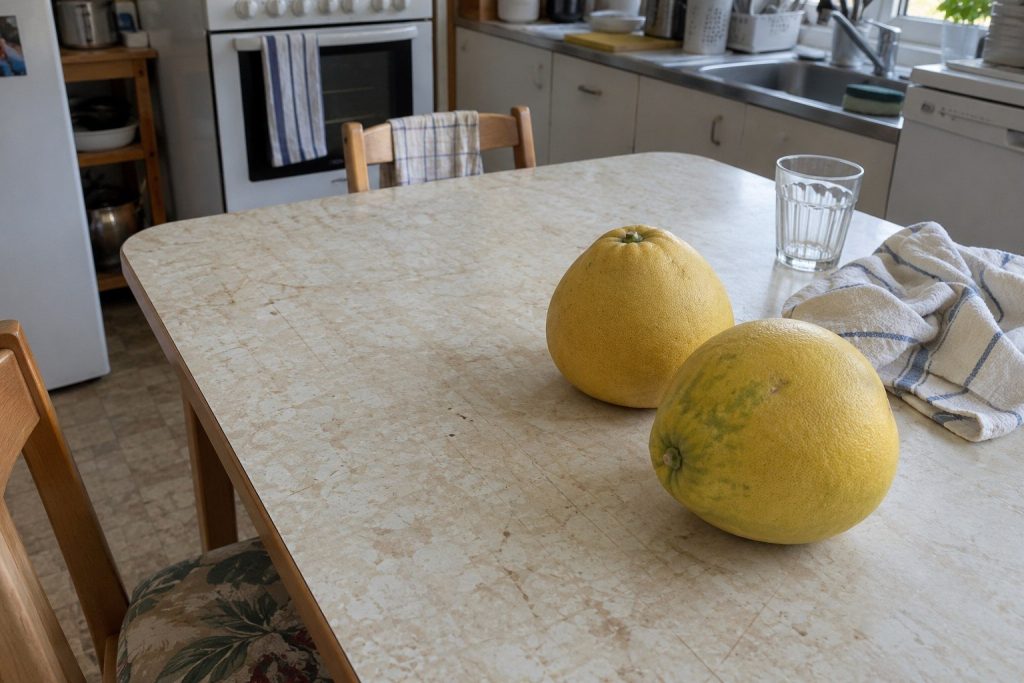
Two large pale yellow citrus fruit on a kitchen island

Jokan Grapefruit

The Jokan Grapefruit (Citrus × jokan) is the hardiest grapefruit in the world, native to Japan, where it was selected in the southern regions to combine respectable size and cold resistance. Its hardiness reaches 7°F (−14°C) on the tree, among the hardiest citrus in the inventory, making it suitable for in-ground growing up to USDA zones 7b and 8a. The vigorous tree reaches 10 to 16 ft (3 to 5 m) with a rounded habit, glossy evergreen foliage, and fragrant white blossom. Its bright orange, medium-to-large fruits (7 to 12 oz, or 200 to 350 g), with thick skin, ripen in winter and offer sweet, slightly tart flesh, less bitter than classic grapefruits, particularly pleasant fresh in a winter fruit salad. The ideal grapefruit for producing in a cold temperate climate. Graft onto Poncirus trifoliata, south wall.

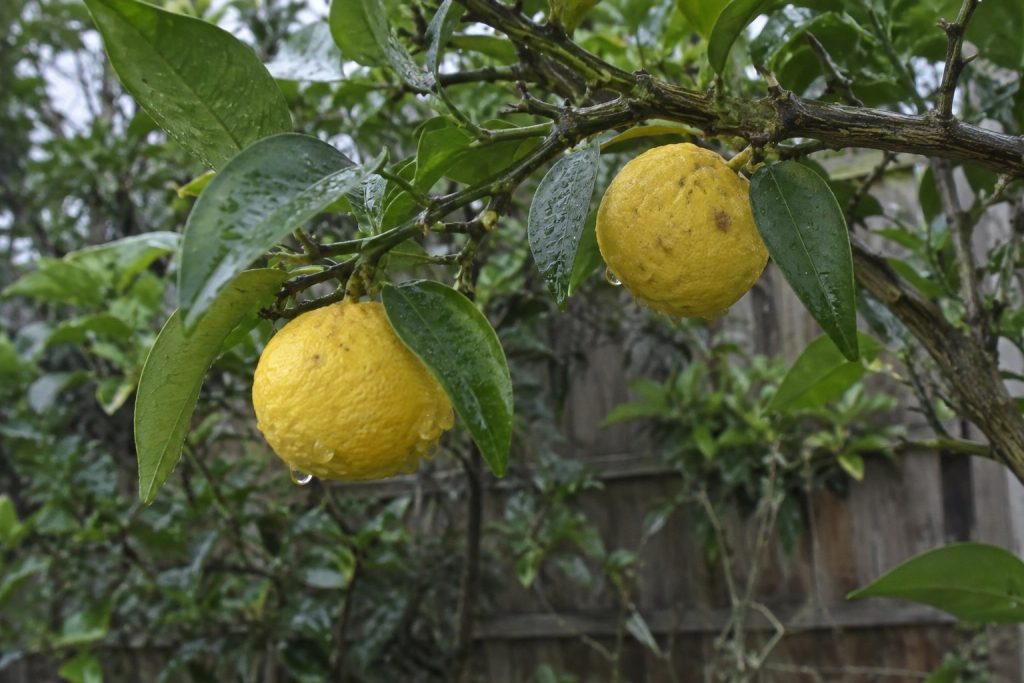
Rough yellow citrus fruit hanging on leafy branches

Tada Nishiki Yuzu

The Tada Nishiki Yuzu (Citrus junos ‘Tada Nishiki’) is a historic Japanese yuzu selection with particularly bumpy, aromatic skin, traditionally grown in Kochi Prefecture. Its hardiness reaches 5°F (−15°C) on the tree, making it suitable for in-ground growing in USDA zones 7b and 8a. The tree reaches 10 to 13 ft (3 to 4 m) with a rounded, spreading habit, aromatic evergreen foliage, and very fragrant white blossom. Its golden yellow, round-bumpy fruits (2 to 3 in, or 5 to 7 cm), with thick skin rich in essential oils, ripen in October and November and concentrate a more intense yuzu fragrance than the classic variety, with higher productivity. The very sour juice is exceptional in zest, juice, ponzu vinegar, and niche pastry. Must be grafted onto Poncirus trifoliata to maximize hardiness. Plant against a south-facing wall, in well-drained soil, with generous winter mulch.

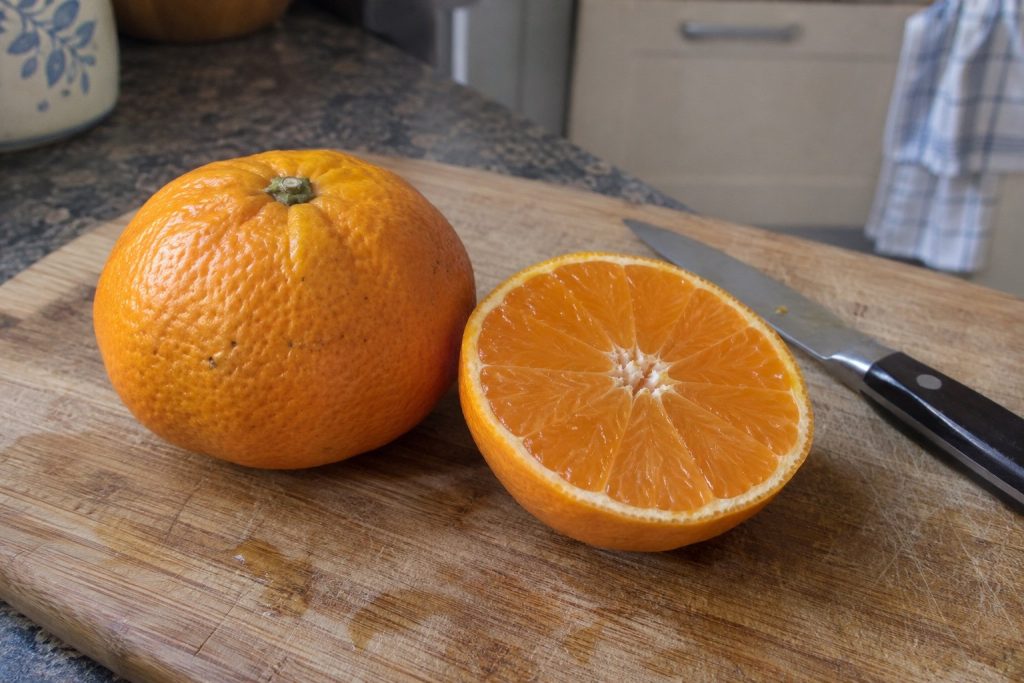
A whole orange citrus fruit and cut half on a kitchen board

Kiyomi Tangor

Kiyomi (Citrus × kiyomi), a hybrid between the Miyagawa satsuma and the Trovita orange, is an emblematic Japanese variety created in 1949 at the Okitsu institute. It is considered the founding parent of many premium Japanese mandarins (Setoka, Harumi, Shiranui). Its hardiness reaches 14°F (−10°C) on the tree, making it suitable for in-ground growing in USDA zones 8a to 8b. The tree reaches 8 to 10 ft (2.5 to 3 m) with a rounded habit, evergreen foliage, and fragrant white blossom. Its bright orange, medium-to-large fruits (6 to 9 oz, or 180 to 250 g) have thin skin that is moderately easy to peel and ripen from January to March, with very juicy, sweet, low-acid flesh and a flavor balanced between satsuma and sweet orange. Excellent fresh and for juice. A historic Japanese reference. Graft onto Poncirus trifoliata.

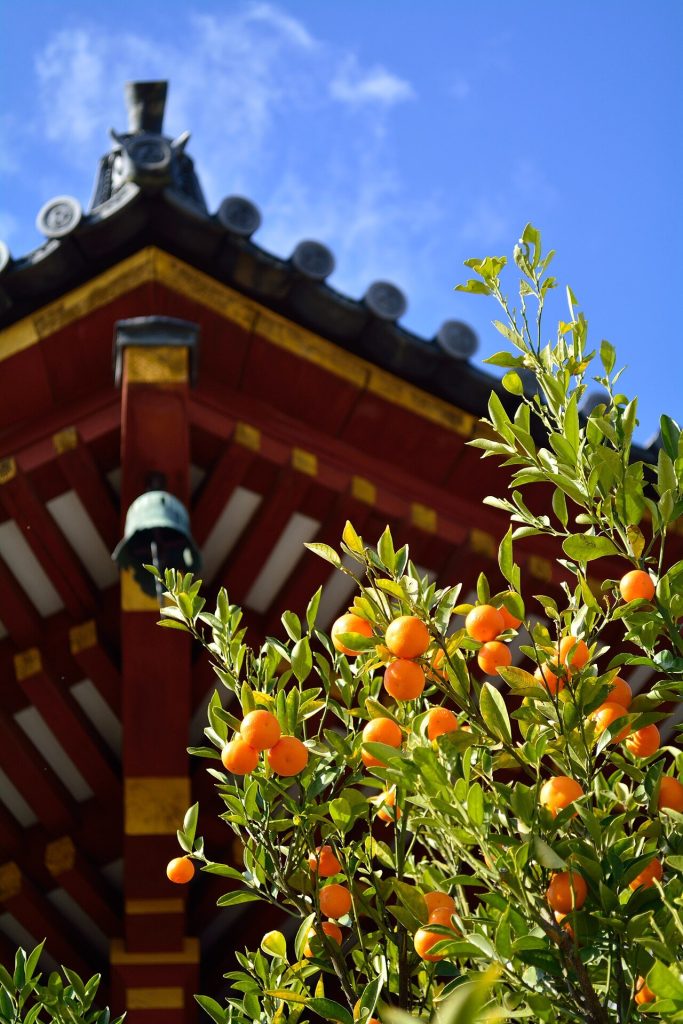
A citrus tree bearing orange fruit beside a traditional building

Tachibana

Tachibana (Citrus tachibana) is a wild Japanese citrus of great cultural and religious importance, one of the oldest citrus known in Japan, mentioned in the Kojiki (712) and the Nihon Shoki (720). Its tree hardiness reaches 10°F (−12°C), making it suitable for in-ground growing in USDA zone 8a. The tree reaches 7 to 10 ft (2 to 3 m) with an upright habit, aromatic evergreen foliage, and very fragrant white flowers in spring or early summer depending on the location. Its small yellow-orange fruit, 1.2 to 2 in (3 to 5 cm) with bumpy skin, ripen in winter and hold a very acidic, aromatic juice with wild mandarin notes. More appreciated for its ornamental, religious, and genetic value (parent of many modern varieties) than for its pulp. The bloom is used in Buddhist rites. Graft onto Poncirus trifoliata.

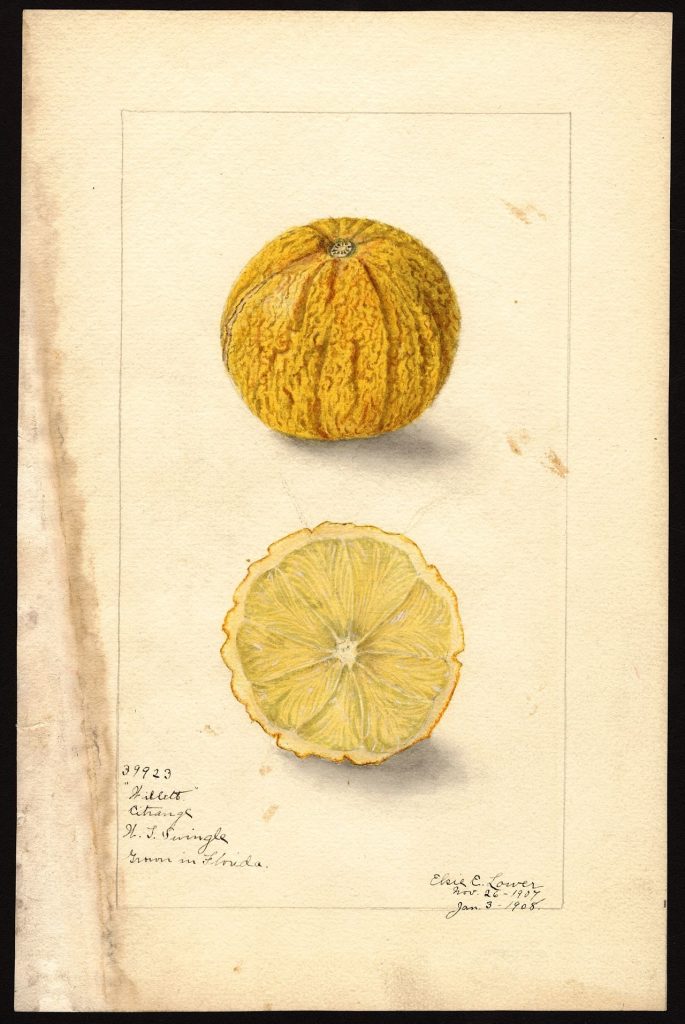
A historic botanical illustration of whole and sliced citrus fruit

Dunstan Citrumelo

Dunstan citrumelo (× Citroncirus webberi ‘Dunstan’) is a hybrid between a grapefruit and Poncirus trifoliata, selected in North Carolina for its exceptional tree hardiness of 5°F (−15°C). It is one of the hardiest edible citrus, viable in the ground up to USDA zone 7b, without special wintering in favorable microclimates. The vigorous tree reaches 10 to 16 ft (3 to 5 m) with an upright, thorny habit, semi-evergreen foliage, and white spring flowers. Its fruit resemble a pale yellow grapefruit, 7.1 to 14.1 oz (200 to 400 g) with thick skin, ripen in winter and give a tart, slightly bitter juice inherited from Poncirus, useful as a refreshing breakfast juice or in marinade. Widely grown in the southern states of the United States. Double-graft onto pure Poncirus, south wall, perfectly drained soil.

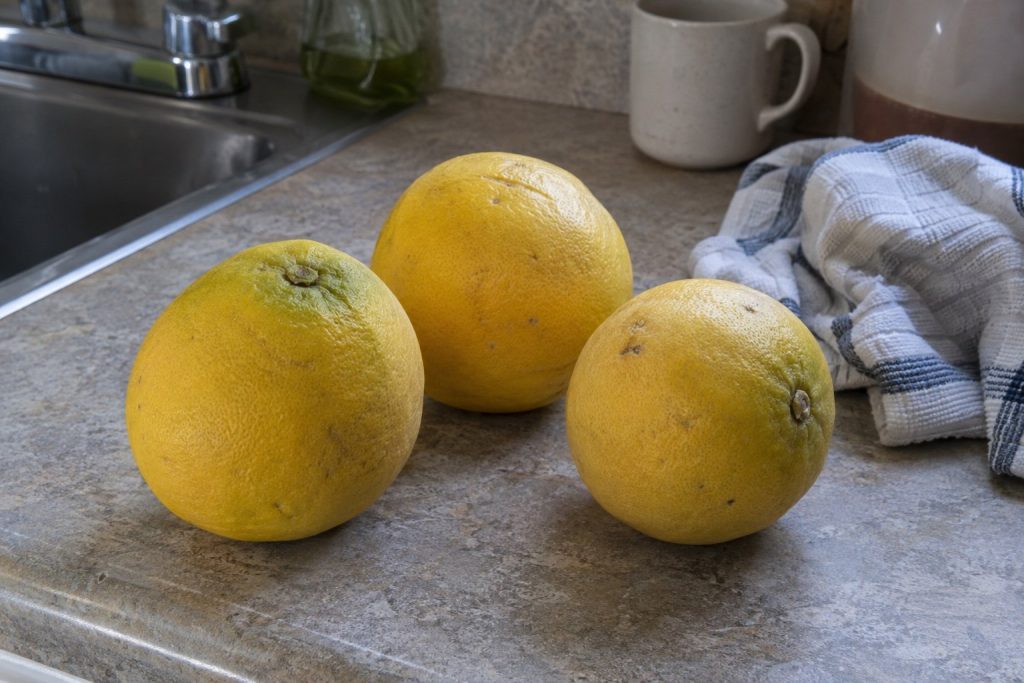
Three pale yellow citrus fruit on a kitchen counter

Five Star Citrumelo

Five Star citrumelo (× Citroncirus ‘Five Star’) is a more recent Floridian selection of the citrumelo, a grapefruit × Poncirus trifoliata hybrid. Its tree hardiness reaches 5°F (−15°C), among the hardiest edible citrus, making it viable in the ground in USDA zone 7b. The compact tree reaches 8 to 13 ft (2.5 to 4 m) with a rounded, thorny habit, semi-evergreen foliage, and white spring flowers. Its fruit resemble a yellow grapefruit, 7.1 to 12.3 oz (200 to 350 g) with smooth skin, ripen in winter and give a juice that is milder and more pleasant than that of the Dunstan citrumelo, with a moderate residual bitterness. Very productive. Excellent in blended juice, marmalade, or confectionery. One of the best choices for producing a table citrus in USDA zones 7-8. Graft onto Poncirus trifoliata, plant against a south-southwest-facing wall; well-drained soil is imperative.

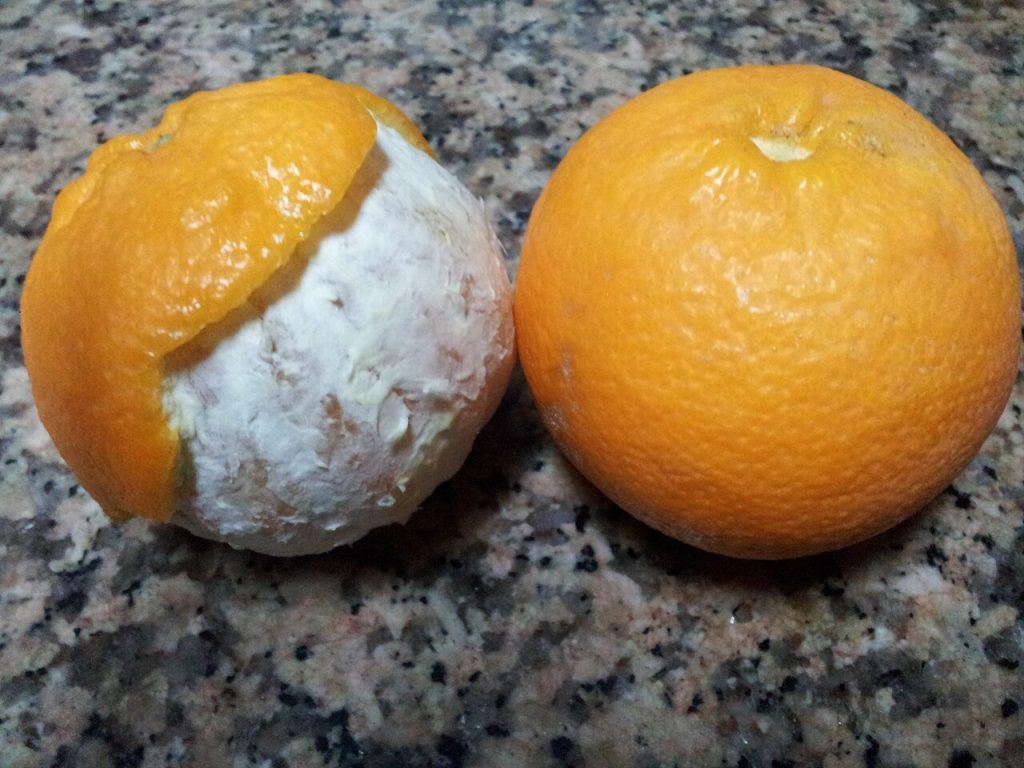
A partially peeled orange citrus fruit beside a whole fruit

Salustiana Orange

Salustiana orange (Citrus sinensis ‘Salustiana’) is a Spanish mutation of the Comuna orange, selected in Valencia for its juiciness and its complete absence of seeds. Its tree hardiness reaches 16°F (−9°C), making it suitable for in-ground growing in USDA zones 8b and 9a. The vigorous tree reaches 10 to 16 ft (3 to 5 m) with a spreading, rounded habit, glossy evergreen foliage, and fragrant white flowers. Its bright orange fruit, medium-sized at about 5.3 to 6.3 oz (150 to 180 g) according to catalogs, varying with conditions, without a navel, with thin skin that is moderately easy to peel, seedless, ripen in winter (January-March) with very juicy, sweet, low-acid flesh, perfect for juice. Considered one of the best juice oranges in the world, the basis of the Spanish orange juice industry. Excellent fresh too. Graft onto Poncirus trifoliata, plant against a south-facing wall, well-drained soil.

Scroll to Top