Cold hardiness
10°F (−12°C)
Identity
OriginIndia
Genetic originNatural hybrid of unknown parentage (sour orange group)
USDA zone8a
Cold hardiness10°F (−12°C)
Fruit cold hardiness25°F (−4°C)
GrowthVigorous
Height10 ft (3 m)
HarvestNovember, December
SeedsMany
UsesJuice, Liqueur, Preserves, Savory cooking
FlavorsSour
History & Description
Origin
The Karna Khatta is an old citrus of India, where its main commercial use is as a rootstock, second only to rough lemon. Its parents are unknown: it is almost certainly a natural hybrid, which the UC Riverside citrus collection describes as possibly a lemon or citron hybrid, while the botanist Julia Morton suspected a cross between sour orange and lemon. It is classified in the sour orange group, as Citrus karna or Citrus aurantium var. khatta. Recently introduced to France by the Pépinière du Bosc, it is now a valuable alternative to the classic lemon tree for regions with cold winters.Tree description
The tree forms a vigorous, ornamental specimen 8 to 10 ft (2.5 to 3 m) tall at maturity, with an upright habit and glossy green evergreen foliage with elongated leaves. The branches carry long thorns. The fragrant white spring bloom is remarkably abundant and can recur in successive waves through the year. Nurseries give a hardiness of 10°F (−12°C) for a well-acclimated adult tree on FA5 rootstock; no published trial confirms it, so protect the tree during hard frosts.Fruit quality
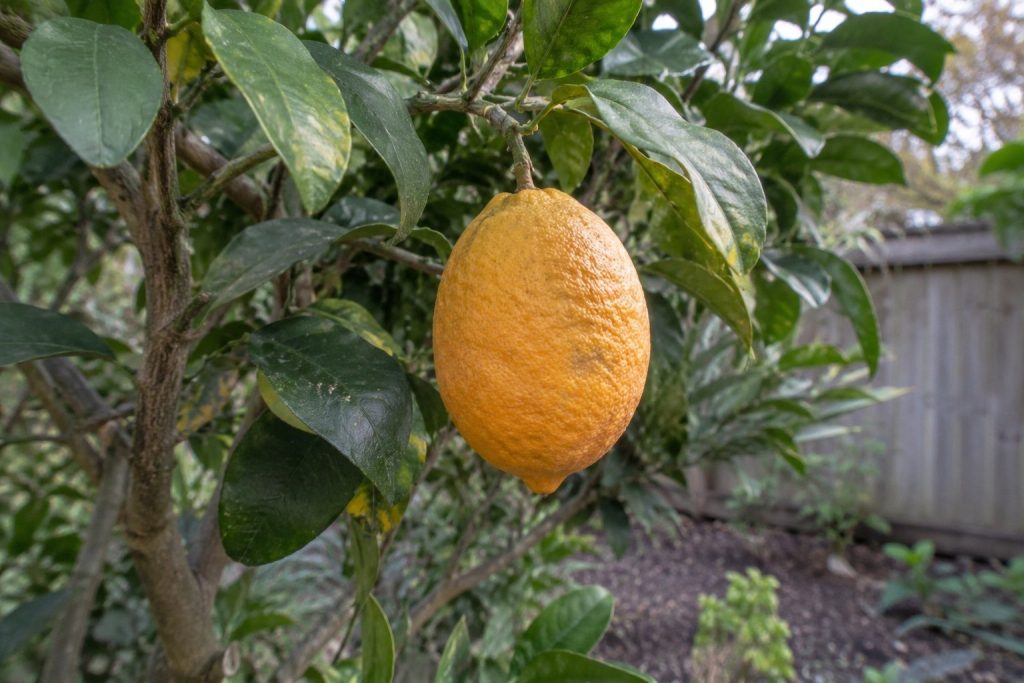
The fruits are medium to fairly large, round to oval, often with a broad nipple, and look like a rough-skinned sour orange. The moderately thick, firm rind ranges from golden yellow to deep orange and can be smooth, warty or ribbed. The dull orange flesh is coarse and only moderately juicy, with an acid flavor and a faint aroma recalling sour orange. Seeds are numerous.Flavor and ornamental interest
Used as a substitute for lemon in all its applications (juice, marmalades, seasonings, vinaigrettes, savory preparations), the Karna Khatta lime brings greater aromatic complexity than the classic lemon thanks to its orange blossom notes. Traditionally in India, it goes into achars (Indian salted pickles), chutneys and tart drinks. As an ornamental, its recurrent fragrant bloom, dense foliage and large yellow-orange fruits that persist all winter make it a remarkable landscape specimen, combining visual appeal and culinary usefulness in a hardy-citrus garden.
Back to the collection
Updated: