Variety profile

Citradia 139

(Citrus x citradia)

Documented by Léo — grown in the ground, USDA zone 8b

Citradia 139 (Citrus x citradia) is a rare citrus × Poncirus hybrid, a numbered reference selection from a hardiness breeding program intended to produce edible fruit in regions with continental winters. Its hardiness reaches 9°F (−13°C) on the tree, among the hardiest citrus in the inventory, making it suitable for in-ground growing in USDA zone 8b. The tree can reach 16 to 20 ft (5 to 6 m) in the ground with an upright, semi-thorny habit, semi-evergreen foliage, and white spring flowers. Its yellow-orange, medium-sized fruit, with thick skin, are harvested from October-November according to the Vessière catalog and offer a tart aromatic juice with a more marked residual bitterness than standard citrus, inherited from the Poncirus parent, suitable for marmalade, blended juice, or marinade. Niche variety for collectors. Graft onto Poncirus trifoliata, plant against a south-southwest-facing wall, in well-drained soil.

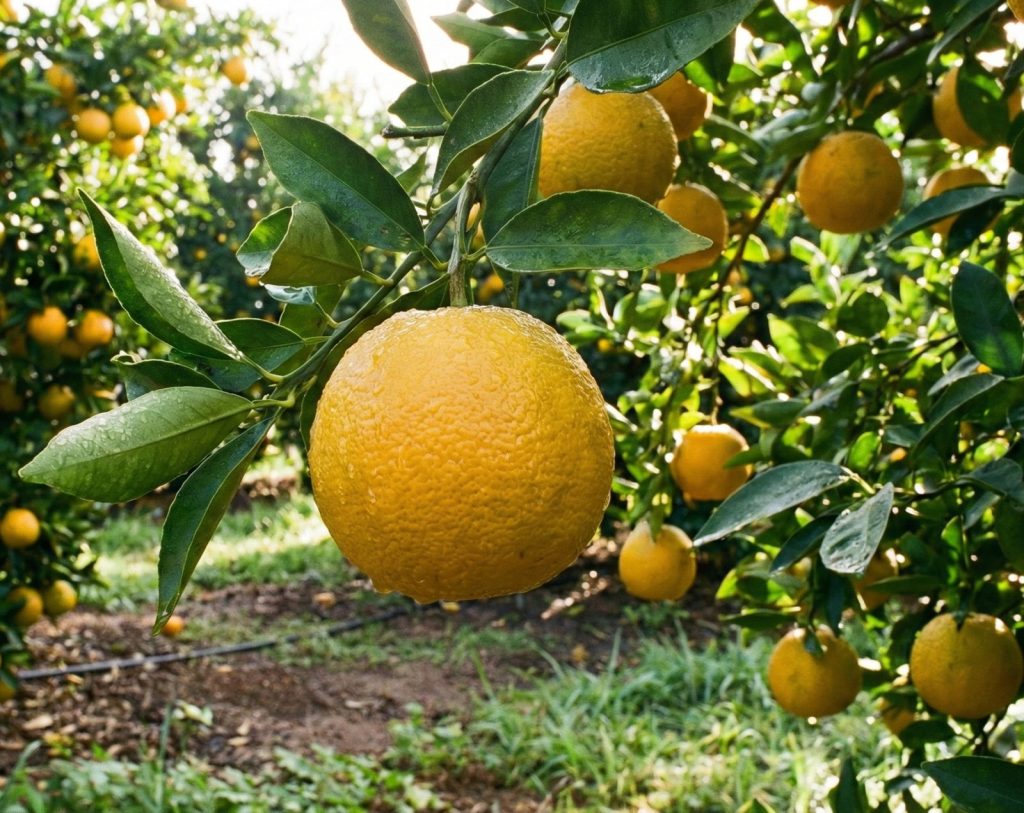
An orange citrus fruit hanging from a branch in a garden
AI-generated illustration. It does not authenticate cultivar identity or cold tolerance.
Cold hardiness 9°F (−13°C)

Identity

OriginUnited States
Genetic originHybrid (Bitter orange x Poncirus)
USDA zone
Cold hardiness9°F (−13°C)
Fruit cold hardiness23°F (−5°C)
GrowthVigorous
Height16 ft (5 m)
HarvestOctober, November
SeedsMany
FlavorsBitter, Pronounced bitterness

History & Description

Origin

Citradia 139 is a scientific hybrid from American research on rootstocks and cold resistance. It results from a controlled cross between a bitter orange and a Poncirus trifoliata. The number "139" designates a specific clone selected for its vigor and robustness among the many experimental seedlings.

Tree description

It is a vigorous, very thorny tree, with exceptional cold resistance, down to 9°F (−13°C). Its foliage is trifoliate and deciduous or semi-evergreen depending on the severity of the winter.

Fruit quality

The fruits resemble bitter oranges with rough skin. They are packed with seeds and contain a sour, bitter pulp that is hard to eat raw.

Flavor and ornamental interest

Its interest is mainly ornamental, notably for creating impenetrable defensive hedges. Its yellow fruits are very decorative in winter, although their culinary use is limited to acidifying.
Back to the collection

Updated:

"Growing rare citrus means accepting that nature has the last word, while whispering in its ear how to survive the winter."

Scroll to Top