Lemon trees in containers or in the ground: what should you plan for?
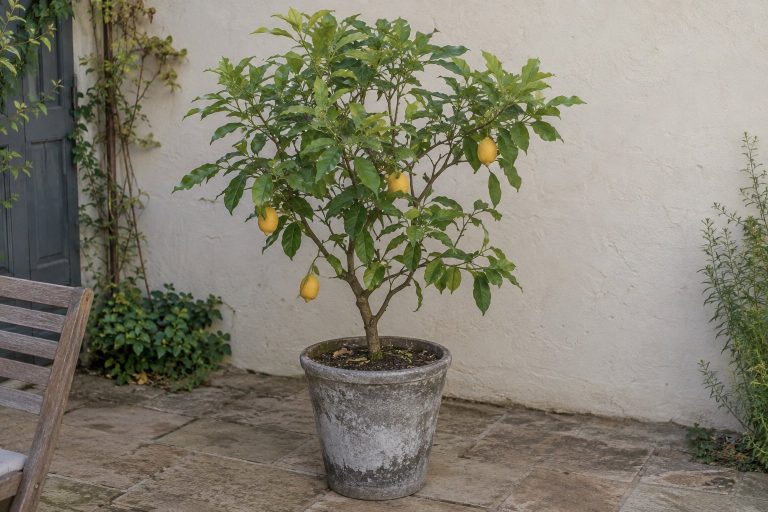
Choose a container when you need to move the lemon tree for winter. Consider its weight after watering, access to shelter, and the light available there. In-ground growing requires a sunny site, well-drained soil, and winters suited to the exact variety; summer warmth alone is not enough.
UCR describes Meyer as a relatively compact tree suited to containers. This makes it easier to accommodate, but does not remove the need to identify its rootstock. At purchase, also check for healthy roots and an appropriately sized container: a large canopy in a tiny pot is not a lasting advantage.
References: UCR — Improved Meyer lemon, CRC 3737 · UF/IFAS — Lemon Growing in the Florida Home Landscape · NC State Extension — Meyer Lemon
Watering and pruning: supporting flowers and fruit
Water according to the condition of the growing medium, paying particular attention during flowering and fruit enlargement. Water should pass through the pot and drain away. Thorough watering followed by drainage is preferable to leaving water permanently in a saucer. Match fertilization to the plant’s actual growth.
UF/IFAS notes that excessive fertilizer can encourage foliage at the expense of fruit. Keep pruning moderate, too: repeatedly cutting back a vigorous lemon tree to fit an undersized space reduces production. Inspect young shoots and leaf undersides, where scale insects and mites can settle.
References: UF/IFAS — Lemon Growing in the Florida Home Landscape · NC State Extension — Meyer Lemon
How do you protect a lemon tree from cold?
Ordinary lemon trees are among the cold-sensitive citrus. Meyer is described as more tolerant, but that difference does not establish a threshold for every plant. Fruit, young shoots, and an established tree differ in vulnerability: prepare protection before the first severe freezes are forecast.
Freeze duration and acclimation matter as much as the overnight minimum. After a cold event, wait for growth to resume before deciding which branches are dead. For a plant overwintered indoors, reduce watering as growth slows and choose a bright location.
References: NC State Extension — Meyer Lemon · UC IPM — Freezing and Frost Damage to Citrus · Royal Horticultural Society — How to grow citrus
What flavor should you expect, and when should you pick lemons?
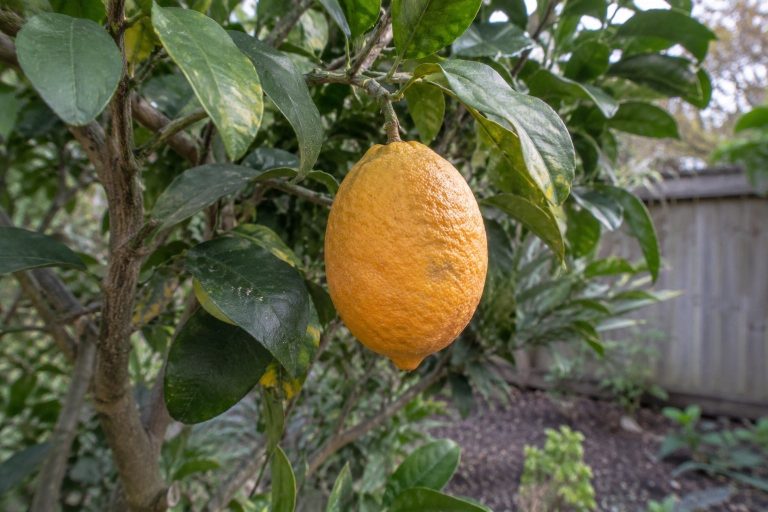
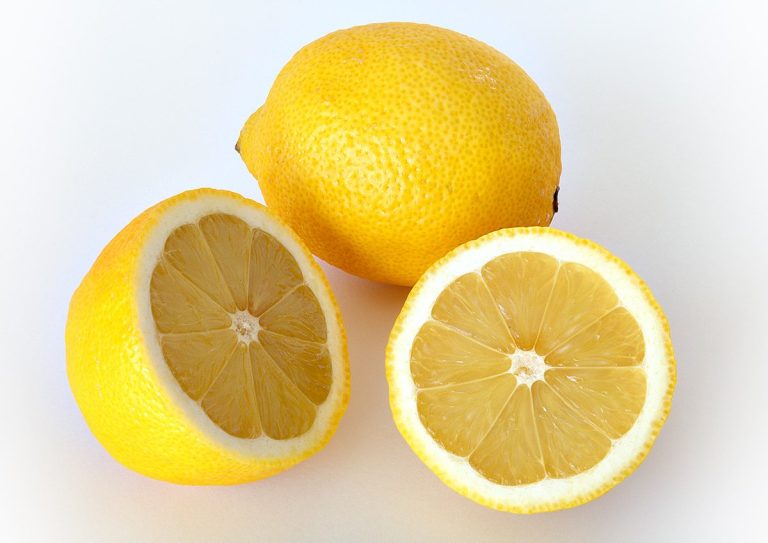
Meyer has thin skin and juicy flesh that remains acidic: “milder” does not mean acid-free. UCR describes Lemonade as pleasant to eat, with few seeds, but harder to peel than a mandarin. Taste one fruit before drawing conclusions about the entire harvest.
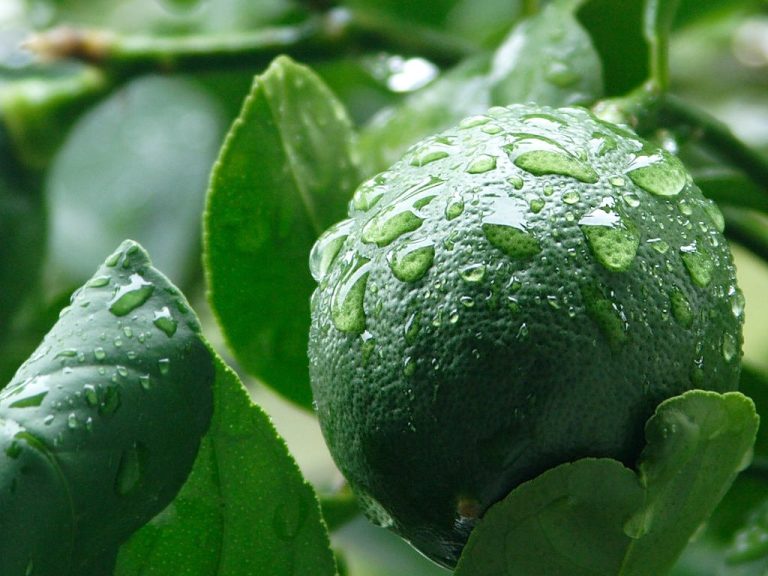
Flowering may recur through the year. For Meyer, UCR observes several flushes and a mainly winter harvest at Riverside; this California calendar does not determine the schedule in your garden. Flowers and green lemons present together indicate different developmental stages, rather than a permanent supply of ripe fruit.
References: UCR — Improved Meyer lemon, CRC 3737 · UCR — New Zealand Lemonade, CRC 4181 · UF/IFAS — Lemon Growing in the Florida Home Landscape · UC ANR — Winter Delight: The Meyer Lemon Tree
Lemon, sweet lemon, and hybrid: understanding names
The ordinary lemon is generally called Citrus × limon. Horticultural descriptions distinguish Meyer from it, while Lemonade is presented as a hybrid of unknown parentage. The website’s “Lemon Trees” family is a practical starting point; its members are not all variations of the familiar yellow lemon.
Keep the plant’s complete name and provenance. A name such as “four seasons” describes a tendency to flower repeatedly; it does not promise twelve months of fruit ready to pick. When comparing two plants for purchase, ask for an identified variety rather than simply a lemon color.
Australian finger lime, with elongated fruit and separate juice vesicles, is covered in a different guide.
References: UCR — Improved Meyer lemon, CRC 3737 · UCR — New Zealand Lemonade, CRC 4181 · UF/IFAS — Lemon Growing in the Florida Home Landscape · UCR — Australian finger lime, CRC 3661
Frequently asked questions about lemon trees
Which lemon tree should I choose for a balcony?
Meyer is worth considering because of its relatively compact growth. Also choose according to rootstock, sunlight, and the ability to move the pot: the variety name alone does not determine final size.
Is Meyer a sweet lemon?
Meyer retains acidic juice and a distinctive fragrance. It can replace ordinary lemon in cooking, but should not be confused with acid-free citrus or described as offering a sweet eating experience with every harvest.
Does a lemon tree produce lemons all year?
Some varieties flower and fruit in several flushes. The size of each harvest depends on climate and cultivation; repeat flowering guarantees neither continuous production nor ripe fruit in every season.
Why does my lemon tree lose leaves in winter?
First check light, moisture in the growing medium, and conditions in its winter shelter. The RHS identifies excessive winter watering as a frequent cause. Leaf drop alone does not establish a need for fertilizer.
Should I prune a lemon tree heavily every year?
No. Repeated heavy pruning reduces fruiting. Prune according to the space available and the condition of the branches, remembering flowers and fruit already present, rather than routinely cutting the tree back.
Is Lemonade simply another name for Meyer?
No. UCR maintains Meyer and New Zealand Lemonade as two separate accessions. Lemonade has a milder flavor and reportedly unknown parentage; the plant label should specify which one you are buying.
Sources and method
A documentary synthesis from the encyclopedia, published by Léo, an amateur gardener on the Arcachon Basin, in USDA zone 8b. Meyer and Lemonade characteristics are distinguished from general growing advice. Foreign calendars are not transferred to French gardens. The cited sources are documentary references; this page does not report a personal freezing trial.
- UCR — Improved Meyer lemon, CRC 3737
Compact habit, suitability for containers, acidic flesh, and flowering and harvest observations at Riverside.
- UCR — New Zealand Lemonade, CRC 4181
Hybrid of unknown parentage, mild flavor, peeling, and seeds.
- UF/IFAS — Lemon Growing in the Florida Home Landscape
Lemon-tree needs, drainage, water, excessive fertilizer, pruning, and seasonal variation; Florida context.
- NC State Extension — Meyer Lemon
Container growing, light, watering, and pest monitoring; this page’s climatic thresholds are not repeated here.
- UC IPM — Freezing and Frost Damage to Citrus
Comparative cold sensitivity of ordinary lemon and Meyer, acclimation, exposed tissues, and pruning after a freeze.
- Royal Horticultural Society — How to grow citrus
Excessive winter watering and leaf drop; a British container-growing guide.
- UC ANR — Winter Delight: The Meyer Lemon Tree
Acidity compared with Eureka and culinary uses; dates, time to production, and zones are not repeated here.
- UCR — Australian finger lime, CRC 3661
Elongated fruit and pulp vesicles distinct from ordinary lemon; link to the finger lime guide.