Cold hardiness
10°F (−12°C)
Identity
OriginJapan (native)
Genetic originAncestral species, wild Japanese mandarin, parent of many modern citrus
USDA zone8a
Cold hardiness10°F (−12°C)
Fruit cold hardiness23°F (−5°C)
GrowthModerate
Height10 ft (3 m)
HarvestJanuary, February, March, October, November, December
SeedsMany
UsesFresh eating, Juice, Preserves, Savory cooking
FlavorsSour, Highly aromatic, Sour then sweet
History & Description
Origin
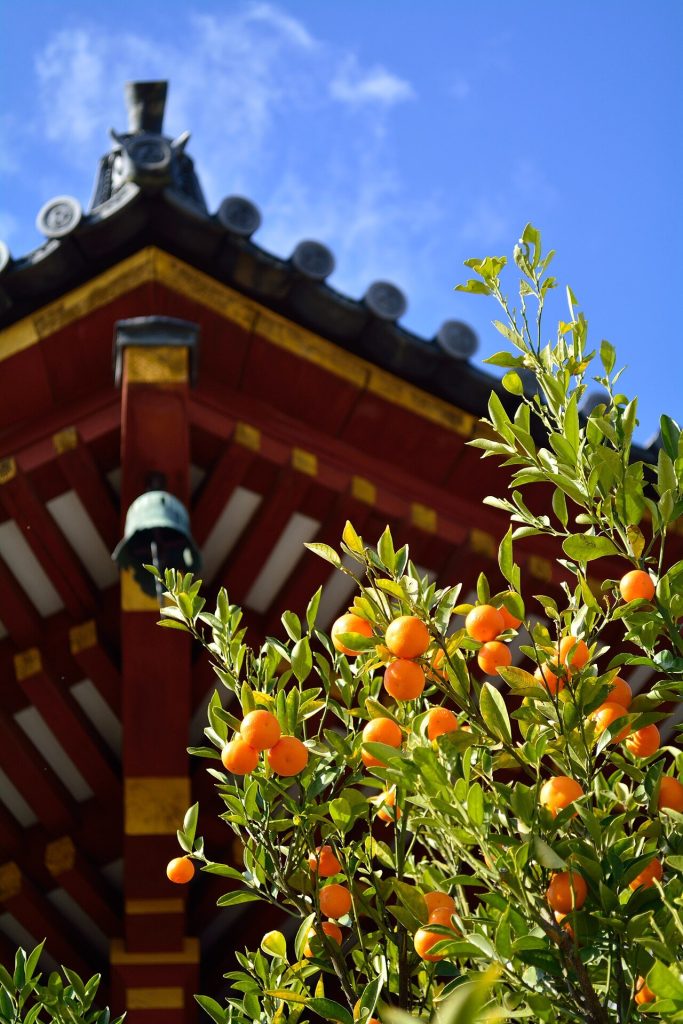
Tachibana (Citrus tachibana) is probably the most venerable of the Japanese citrus, cited in the Kojiki and the Nihon Shoki, the oldest written chronicles of the archipelago, dating from the 8th century, which report its legendary introduction from the eternal land of Tokoyo by the imperial envoy Tajima-mori during the reign of Emperor Suinin, around the 1st century BCE. Genetic studies show that it is native to Japan, isolated for a long time from mainland Asian citrus; it is considered an ancestral wild mandarin that contributed genetically to many Japanese citrus. It still grows wild in a few places from Okinawa to Shizuoka, where a rare population survives at Heda, in Numazu; its populations have declined and the species is now listed as endangered. A tachibana tree stands in front of the Shishinden hall of the Kyoto Imperial Palace, and its five-petaled blossom is the emblem of the Order of Culture, Japan's highest cultural honor, created in 1937. Its hardiness for a mandarin makes it a botanical curiosity of the first rank for collectors.Tree description
Tachibana forms a small tree with an elegant silhouette, reaching 7 to 10 ft (2 to 3 m) at maturity, with a slightly drooping habit and evergreen foliage of a deep green. The leaves, smaller than those of commercial mandarins, release an intense fragrance when crushed, evoking bergamot and wild mandarin. Its very fragrant white bloom is described in spring or early summer depending on the location, with an end-of-June reference cited for Japan that remains to be confirmed locally. The tree is very productive, easy to grow, and cold hardy down to 10°F (−12°C) in a protected position, which places it among the hardiest mandarins known.Fruit quality
The fruit, very small at 1.2 in (3 cm) in diameter and about 0.2 oz (5 g), is round, slightly flattened, and pale orange to bright yellow depending on the stage of ripening. The yellow flesh contains up to eight seeds per fruit, a characteristic of unselected ancestral species. Eaten from September, it offers a sharp acidity and an intense lemony aroma; left on the tree until December, it develops a remarkable mandarin sweetness while keeping its very aromatic skin. The fruit hold long on the tree, offering prolonged ornamental fruiting.Flavor and ornamental interest
Extremely rare in European cultivation, Tachibana lends itself to multiple uses: in marmalade, where it reveals a refined bitterness, in aromatic juice of the Japanese lemon type, or simply eaten whole like a kumquat when fully ripe. Its fragrant foliage and long-lasting fruiting make it an outstanding ornamental subject in a hardy garden, evoking the silhouette of the wild mandarins in old Japanese paintings. Its heritage, historical, and cultural value goes far beyond its flavor alone: owning a Tachibana means growing the founding tree of the Japanese citrus tradition.
Back to the collection
Updated: