Variety profile

Tami Kawa Wase Satsuma Mandarin

(Citrus unshiu 'Tami Kawa')

Documented by Léo — grown in the ground, USDA zone 8b

Tami Kawa Wase satsuma mandarin (Citrus unshiu 'Tami Kawa') is an early satsuma selection from the Japanese region of the same name, chosen for its flavor quality and early harvest. Its hardiness reaches 10°F (−12°C) on the tree, making it suitable for in-ground planting in USDA zone 8a. The tree reaches 6.5 to 10 ft (2 to 3 m) with the spreading, weeping habit characteristic of satsumas, evergreen foliage and fragrant white flowers. Its bright orange fruit, medium-sized, 3.5 to 5.3 oz (100 to 150 g), seedless, with thin skin that is very easy to peel, ripens from late October with particularly juicy, sweet, low-acid flesh, with a flavor quality comparable to classic Owari. Ideal for regions where the first frosts come early. Excellent fresh, as juice and as sorbet. Graft onto Poncirus trifoliata.

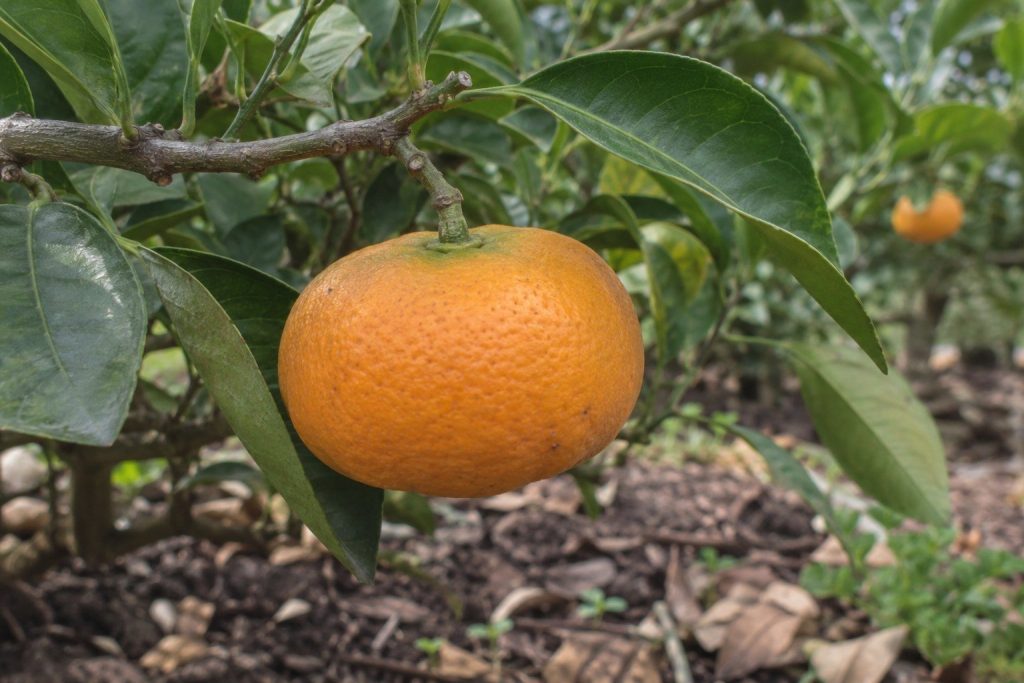
A flattened orange citrus fruit hanging on a branch
AI-generated illustration. It does not authenticate cultivar identity or cold tolerance.
Cold hardiness 10°F (−12°C)

Identity

OriginJapan
Genetic originSelection of the Wase group
USDA zone
Cold hardiness10°F (−12°C)
Fruit cold hardiness25°F (−4°C)
GrowthSlow
Height10 ft (3 m)
HarvestOctober, November
SeedsSeedless
FlavorsMild, Sweet

History & Description

Origin

Probably a Japanese selection of the Wase (early) group, sometimes spelled "Tamakawa" or identified as a local selection distributed by French nurserymen.

Tree description

The tree has low vigor but is extremely productive, which sometimes limits its growth. It forms a small, dense bush, ideal for small spaces.

Fruit quality

The fruits ripen early (October). They are flattened, with very thin skin that comes away easily. The flesh is tender and very juicy.

Flavor and ornamental interest

It is sweeter than classic Owari. Its earliness makes it possible to enjoy garden mandarins as early as October, with an already well-sweetened flavor while the skin may still be a little green.
Back to the collection

Updated:

"Growing rare citrus means accepting that nature has the last word, while whispering in its ear how to survive the winter."

Scroll to Top