Cold hardiness
14°F (−10°C)
Identity
OriginJapan
Genetic originJapanese selection of Satsuma (Citrus unshiu), Unshiu Mikan group grown in Japan since the 16th century
USDA zone8a
Cold hardiness14°F (−10°C)
Fruit cold hardiness27°F (−3°C)
GrowthModerate
Height13 ft (4 m)
HarvestJanuary, November, December
SeedsSeedless
UsesFresh eating, Juice
FlavorsSweet, Slightly acidic, Balanced
History & Description
Origin
The Hashimoto Satsuma Mandarin is an old Japanese Satsuma selection, descended from the Unshiu Mikan group grown in Japan since the 16th century, introduced to the archipelago by Buddhist monks returning from China. Its name "Hashimoto" (橋本) refers to the Japanese nursery or breeder who isolated this particular variety, renowned for its earliness and the exceptional quality of its fruits. Like all satsumas, it belongs to the hardiest line of Japanese mandarins, selected over the centuries in the southern prefectures of Kagoshima and Kyushu, where winters can be harsh. The Hashimoto stands out for its generous size, remarkable sweetness, and total absence of seeds, three traits that make it a variety particularly sought after by enthusiasts looking for a commercial-quality mandarin in a hardy-citrus garden. Propagated in France notably by La Maison du Bananier, it remains discreet in the inventories of general nurseries, which makes it a curiosity for satsuma collectors.Tree description
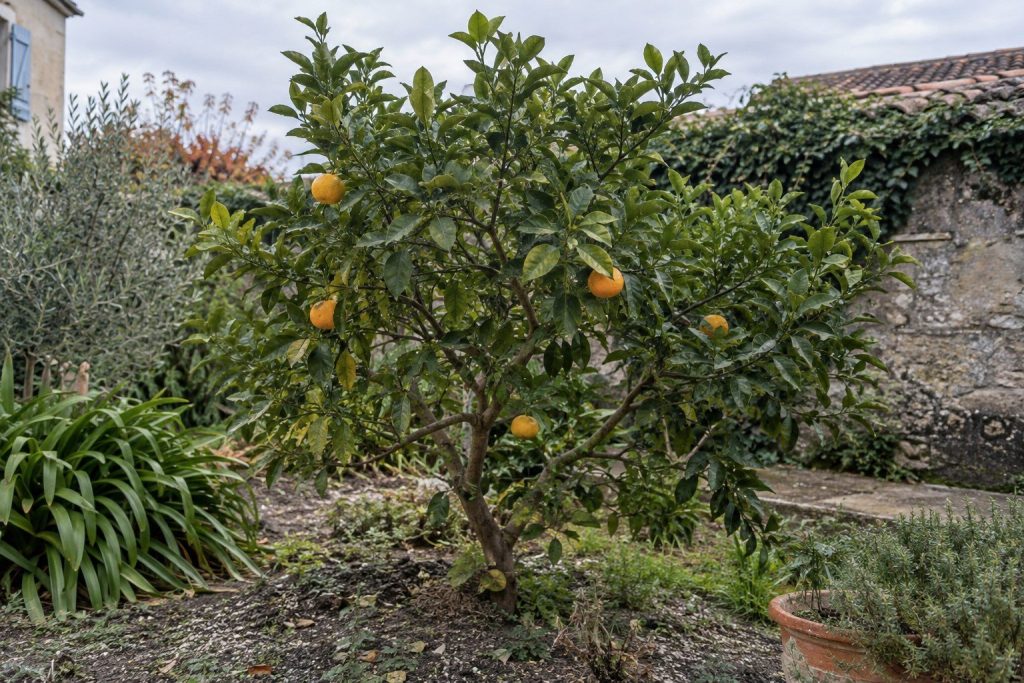
The tree forms a vigorous specimen of 10 to 13 ft (3 to 4 m) at maturity, with a balanced, slightly spreading habit and evergreen foliage of a medium green. Its growth is sustained, and fruiting begins from the fourth year on FA5 or Poncirus trifoliata rootstock. The fragrant white spring blossom is abundant. Its hardiness reaches 14°F (−10°C) for a well-acclimated adult tree, typical of the Satsuma group, which makes it suited to zone 8a, with winter protection recommended during periods of intense frost.Fruit quality
The fruits have thin, easy-to-peel skin, an absolute hallmark of satsumas, turning from medium orange to bright orange at maturity. The flesh, tender and aromatic, is very juicy and completely seedless, with a sweet, low-acid flavor particularly appreciated by children. The fruit is ideally eaten from late fall, before the flesh loses its firmness.Flavor and ornamental interest
The Hashimoto Satsuma is one of the family mandarins par excellence: sweet, seedless, and easy to peel, it is a perfect introduction to citrus for children and a base of choice for home-pressed juices. As an ornamental, its dense evergreen foliage and bright orange fruits hanging in early winter offer a classic yet always charming landscape interest in a hardy orchard, typical of the imagery of Mediterranean and Japanese mandarin trees.
Back to the collection
Updated: