Variety profile

Miyagawa Satsuma Mandarin

(Citrus unshiu 'Miyagawa')

Documented by Léo — grown in the ground, USDA zone 8b

Miyagawa satsuma mandarin (Citrus unshiu 'Miyagawa') is one of the most widely distributed Japanese satsuma selections in the world, from the Japanese region of the same name. Its hardiness reaches 10°F (−12°C) on the tree, making it suitable for in-ground planting in USDA zone 8a. The tree reaches 6.5 to 10 ft (2 to 3 m) with a spreading, weeping habit, evergreen foliage and fragrant white flowers. Its bright orange fruit, medium-sized, 3.5 to 5.3 oz (100 to 150 g), seedless, with thin skin that is easy to peel, ripens in November to December with particularly juicy, sweet, low-acid, fragrant flesh. An excellent producer with consistent flavor quality. Ideal fresh, as juice and as sorbet. A variety recommended for home gardens and semi-professional production. Graft onto Poncirus trifoliata; plant against a south-facing wall in well-drained soil.

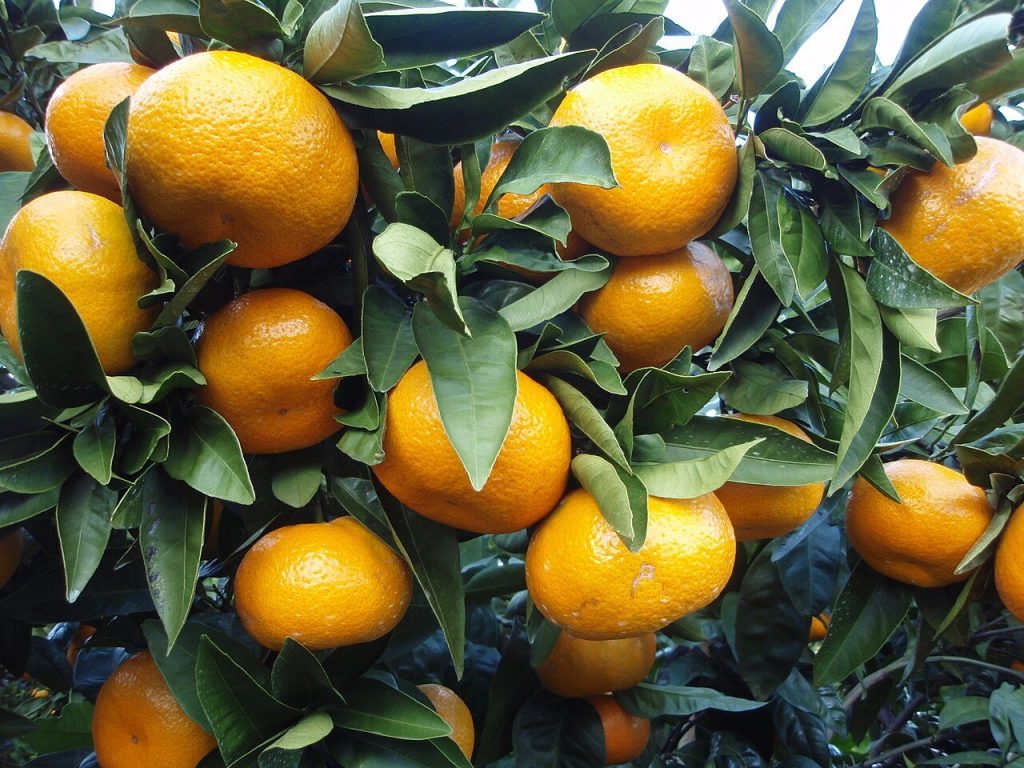
Orange citrus fruit clustered among leaves
Photograph: Citrus unshiu 20101127 c.jpg by Batholith, Public domain, via Wikimedia Commons
Cold hardiness 10°F (−12°C)

Identity

OriginJapan
Genetic originBud mutation of Zairai
USDA zone
Cold hardiness10°F (−12°C)
Fruit cold hardiness25°F (−4°C)
GrowthModerate
Height10 ft (3 m)
HarvestOctober, November
SeedsSeedless
FlavorsSweet, Tart, Balanced

History & Description

Origin

Miyagawa is the most famous variety of the 'Wase' (early) group. Discovered by Dr. Miyagawa in Japan, it arose from a bud mutation on a Zairai variety. It is a worldwide quality standard.

Tree description

The tree has medium vigor, with an open, drooping habit, and is thornless. It is very productive and consistent, with the characteristic dark green lance-shaped foliage.

Fruit quality

It produces large fruits for an early satsuma, round and flattened in shape. The skin is thin and easy to peel. The pulp is an intense orange color and very juicy.

Flavor and ornamental interest

It is often considered the best of the early varieties. The flavor is rich, with a high sugar level well balanced by a slight, invigorating acidity. It truly marks the start of the quality citrus season.
Back to the collection

Updated:

"Growing rare citrus means accepting that nature has the last word, while whispering in its ear how to survive the winter."

Scroll to Top