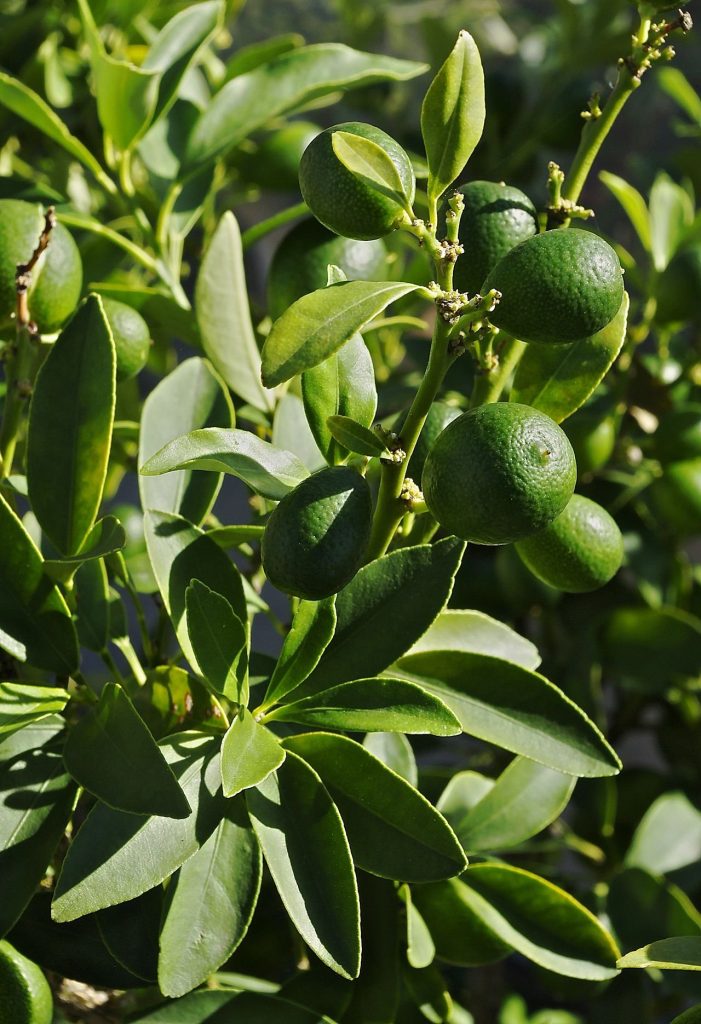

Identity
History & Description
Origin
The Fortune mandarin is a modern American hybrid developed in 1964 at the University of California, Riverside (UCR), the result of a cross between the Clementine (Citrus clementina) of Mediterranean origin and the Dancy mandarin (Citrus reticulata 'Dancy'), a historic American variety known for its deep color and productivity. The goal of the breeding program was to combine the taste quality and early ripening of the clementine with the Dancy's ability to hang on the tree and its productivity, while obtaining a late-maturing variety to extend the commercial season of California mandarins into spring. The result is remarkable: the Fortune ripens from March to May, even into summer, offering mandarins when most varieties have already finished their cycle. Its name, which literally means "luck" or "fortune," evokes the providential character of this variety, which extends access to fresh mandarins well beyond winter. Sold in France notably by the Pépinière du Bosc, it is a valuable diversification variety for anyone who wants to spread the citrus harvest over the whole year.Tree description
The tree forms a vigorous, widely spreading specimen 10 to 13 ft (3 to 4 m) tall at maturity, with a generous habit forming a dense dome and medium green evergreen foliage. Its particularly full canopy provides natural protection for the ripening fruit, allowing it to hang for a long time without deterioration. Growth is fast and steady, and the tree is very productive from its fourth year on C4475 citrumelo rootstock. Its hardiness reaches 14°F (−10°C) for a well-acclimated adult tree, placing it in the upper average of mandarin trees that can be grown in zone 8a.Fruit quality
The fruits, medium to large, have thin, easy-to-peel skin, a trait of the clementine parent, bright to deep orange at maturity. The flesh, firm and extremely juicy, offers a complex flavor, well balanced between the fine sweetness of the clementine and the deep aromatic dimension of the Dancy, seedless when grown in isolation. Ripening is remarkably spread out from March to May, and the fruits can be picked in stages over the weeks.Flavor and ornamental interest
The Fortune mandarin fills a valuable gap in the calendar by offering fresh mandarins in spring, when classic European citrus production is over. Complementary to the Encore mandarin recently published (#367, harvested May to July), it makes it possible to build a pair of mandarin trees covering the whole end of the season, from March to July, a real calendar feat for an amateur orchard. As an ornamental, its dense canopy, its spring bloom coinciding with late fruiting, and the long duration of its production make it an original landscape specimen, able to carry flowers and fruit on the same branch for a rare and spectacular visual effect.Updated:
What matters when choosing
Key points about Fortune Mandarin
Fortune is a late mandarin with rich, tangy flavor, probably derived from a clementine and Orlando tangelo rather than Dancy. Its fruit holds on the tree for a long time but often contains many seeds and needs a mild season to ripen properly.
Why choose it
- Rich flavor and a good sweetness–acidity balance at maturity.
- Late season that extends the harvest.
- Fruit can hold well on the tree.
Its limits
- Many seeds after pollination.
- Late ripening can be difficult where summers are short.
- Known susceptibility to some disorders and leaf diseases.
Practical notes
- Probable parentage
- Clementine × Orlando tangelo
- Harvest at UCR
- March through May
- Uses
- Fresh fruit and juice
Cold-hardiness reference: about 14°F (−10°C)
Fortune ripens late and its fruit remains exposed through winter. This reference concerns the tree, does not guarantee crop protection, and does not assign the superior hardiness sometimes mistakenly associated with certain mandarins.
Sources and method
The temperatures given are reference points for a mature tree with hardened wood. The table and callout repeat the same value as the profile. They guarantee neither freedom from damage nor a harvest after a freezing event.
Data reviewed on October 7, 2026.
- Givaudan Citrus Variety Collection — UCR — Revised parentage, season, flavor, seeds, and behavior
- Acta Horticulturae — Fortune parentage — Genetic analysis of parentage
- Food Chemistry — changes during harvest — Fruit composition and changes through the season