Variety profile

Wase 230 Satsuma Mandarin

(Citrus unshiu 'Wase 230')

Documented by Léo — grown in the ground, USDA zone 8b

Wase 230 satsuma mandarin (Citrus unshiu 'Wase 230') is a numbered clonal selection of early satsuma ('wase' meaning early in Japanese), from a Japanese or French breeding program. Its hardiness reaches 10°F (−12°C) on the tree, making it suitable for in-ground planting in USDA zone 8a. The tree reaches 6.5 to 10 ft (2 to 3 m) with a spreading, weeping habit, evergreen foliage and fragrant white flowers in spring. Its bright orange fruit, medium-sized, 3.5 to 5.3 oz (100 to 150 g), seedless, with thin skin that is very easy to peel, ripens from late October with particularly juicy, sweet, low-acid flesh, with a flavor quality comparable to classic Owari satsuma. Ideal for regions with early winters where the harvest window is short. Excellent fresh, as juice and as sorbet. Graft onto Poncirus trifoliata; plant against a south-facing wall.

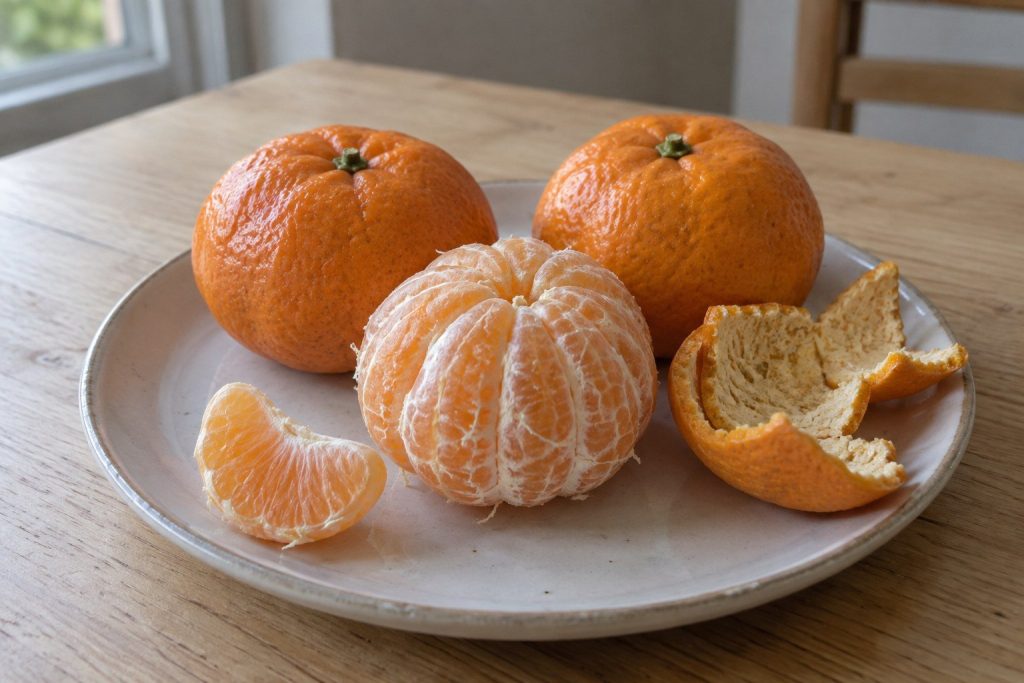
Whole and peeled orange citrus fruit on a plate
AI-generated illustration. It does not authenticate cultivar identity or cold tolerance.
Cold hardiness 10°F (−12°C)

Identity

OriginJapan
Genetic originSelection of the Wase group
USDA zone
Cold hardiness10°F (−12°C)
Fruit cold hardiness25°F (−4°C)
GrowthModerate
Height10 ft (3 m)
HarvestOctober, November, December
SeedsSeedless
FlavorsSweet, Mild, Slightly acidic

History & Description

Origin

This variety corresponds to a specific clone of the Wase group (early satsumas), often listed under the code 230 in citrus collections (possibly SRA or a nursery selection).

Tree description

The tree has medium vigor, with a spreading habit. It is very cold-resistant and produces regularly. Its foliage is dense and a fine, true green.

Fruit quality

The fruit is medium-sized, typical of the Wase, with ripening spread over late fall. The skin is thin and the flesh is seedless.

Flavor and ornamental interest

It is reputed to be sweeter than Owari, with an acidity that drops quickly. It is an excellent "early mid-season" mandarin, bridging the very early and the late varieties.
Back to the collection

Updated:

"Growing rare citrus means accepting that nature has the last word, while whispering in its ear how to survive the winter."

Scroll to Top