Cold hardiness
10°F (−12°C)
Identity
OriginJapan (mutation identified in 1940)
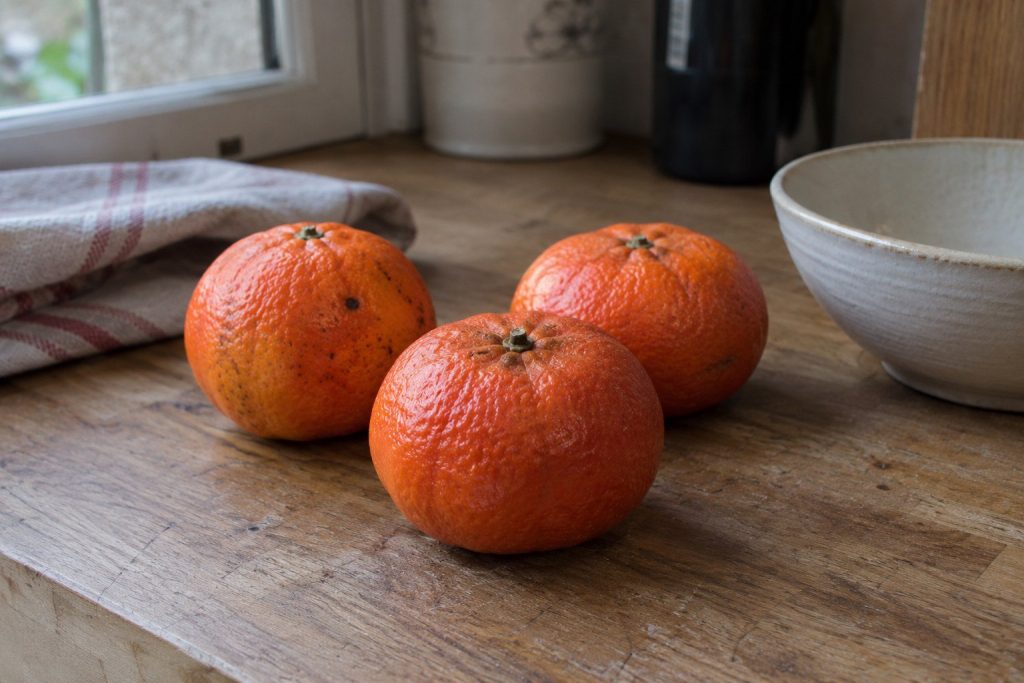
Genetic originSpontaneous mutation of the Owari satsuma, selected for its dark orange color with red highlights
USDA zone8a
Cold hardiness10°F (−12°C)
Fruit cold hardiness25°F (−4°C)
GrowthVigorous
Height10 ft (3 m)
HarvestJanuary, February, December
SeedsSeedless
UsesFresh eating, Juice, Savory cooking
FlavorsSweet, Very sweet, Balanced
History & Description
Origin
The Dobashi Beni Satsuma Mandarin is a spontaneous mutation of Owari Satsuma identified in Japan around 1940, selected and propagated for its exceptional color, the most intense of all Japanese mandarins. The name "Dobashi" refers to the Japanese nursery that isolated and stabilized the mutant, while "Beni" (紅) means "red" or "crimson" in Japanese, evoking the red-orange hue characteristic of its fruits, a very rare shade among satsumas, which are usually light to medium orange. Like all Japanese satsumas, Dobashi Beni descends from the Unshiu Mikan group, grown since the 16th century in the Satsuma region (now Kagoshima), introduced by Buddhist monks returning from China. Its remarkable hardiness, one of the best in the satsuma group, and its unique color now make it a variety of choice for collectors of hardy citrus, combining flavor, beauty, and cold resistance. This variety has remained relatively obscure outside Japan, and only a few specialized French nurseries carry it today.Tree description
The tree forms a fairly vigorous specimen of 8 to 10 ft (2.5 to 3 m) at maturity, thornless (a typical satsuma trait), with a spreading habit and evergreen foliage of a rich green. Growth is faster than that of most other satsumas, with generous branching that favors abundant fruiting. Its exceptional hardiness, documented down to 10°F (−12°C) for a well-acclimated adult tree on FA5 rootstock, makes it one of the most cold-hardy satsumas, suited to the more continental zone 8a areas of France.Fruit quality
The fruits, weighing 3.5 to 10.5 oz (100 to 300 g), have thin, smooth skin of a deep orange shading toward red, the most colorful of all Japanese mandarins. The flesh is tender, extremely juicy, and completely seedless, an essential trait of satsumas. The flavor, very sweet when the fruit reaches full maturity, easily reaches 12 to 14 °Brix and stands out for a remarkably accomplished sugar-acid balance, with no bitterness at all.Flavor and ornamental interest
In Japan, Dobashi Beni is traditionally eaten as soon as the color turns from green to yellow, alongside raw fish (sashimi) for its sour-sweet balance; later, at full maturity in January and February, it becomes one of the most prized table fruits of the archipelago. As an ornamental, the exceptional red-orange color of its fruits in winter is a striking visual spectacle, contrasting admirably with the dark green evergreen foliage. Its winter decorative value far exceeds that of other satsumas, making it the ideal choice for anyone looking for hardiness, flavor quality, and ornamental beauty all at once.
Back to the collection
Updated: